Youth Roundtable on Reconciliation and Good Neighborly Relations with Commissioner Marta Kos and RYCO Secretary General Vladimir Obradović in Tirana
Tirana, November 27, 2026 – How can the EU support young people as drivers of change in the Western Balkans, advancing reconciliation and making European integration more meaningful in their everyday lives?
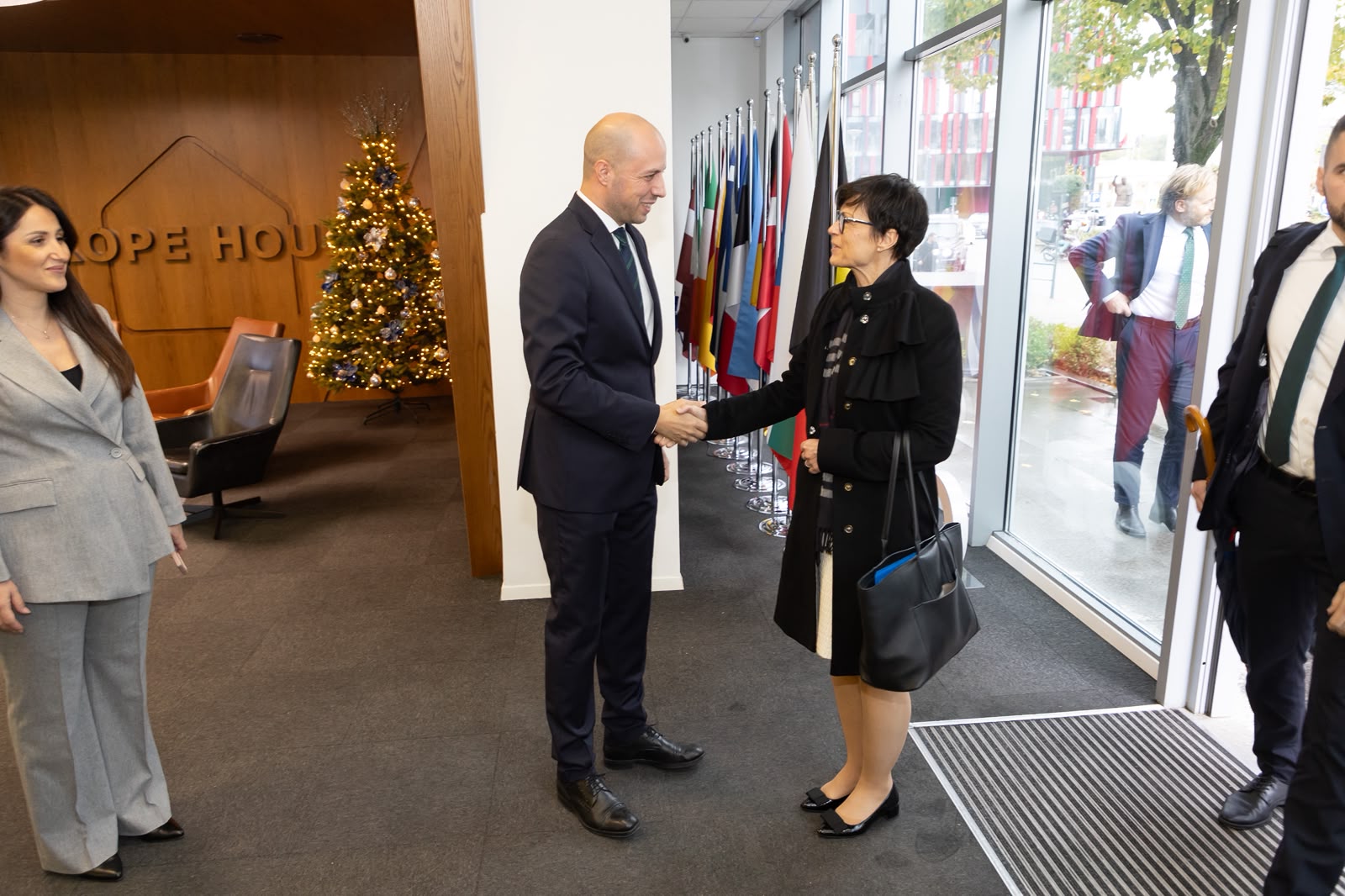
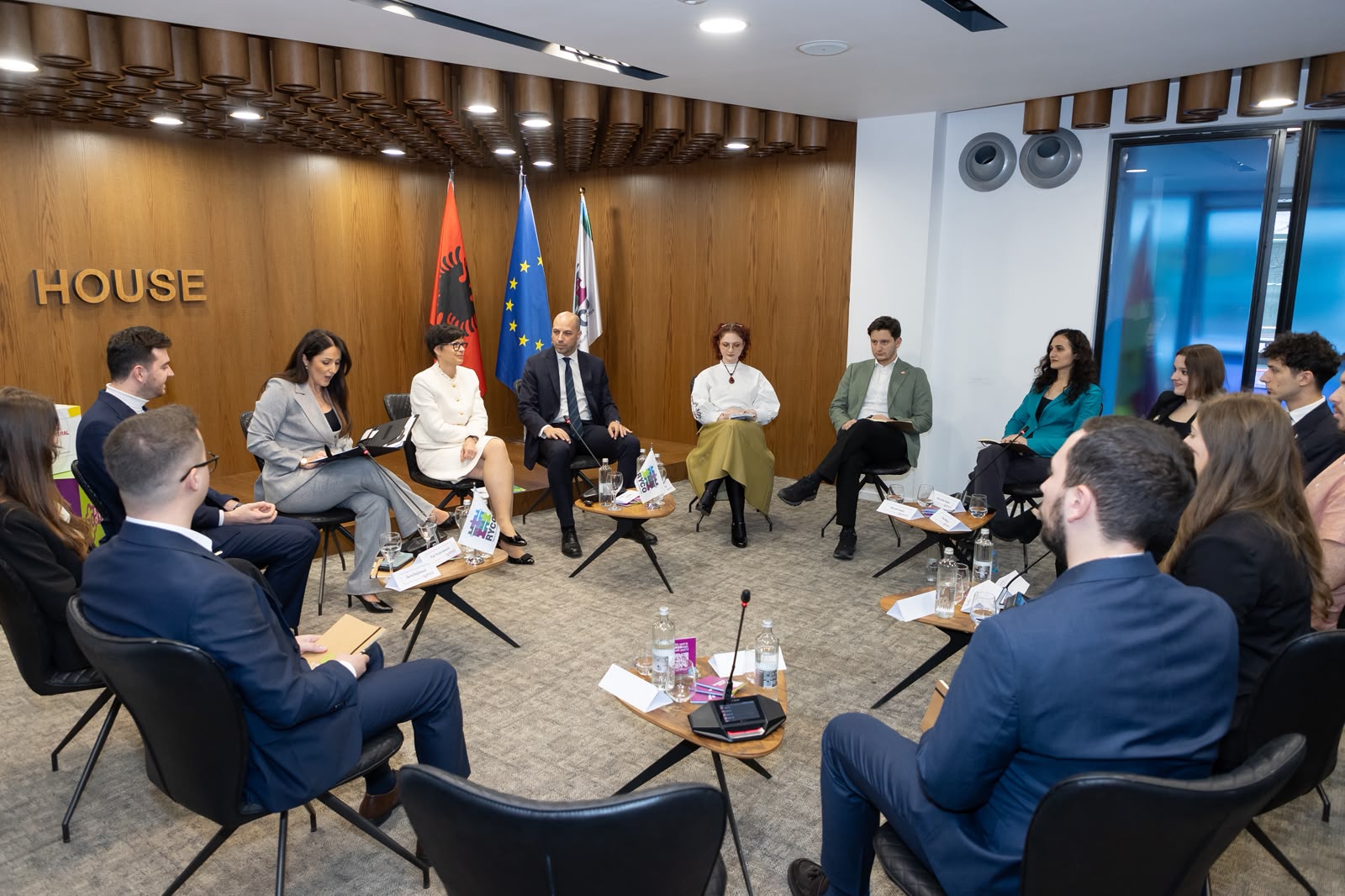
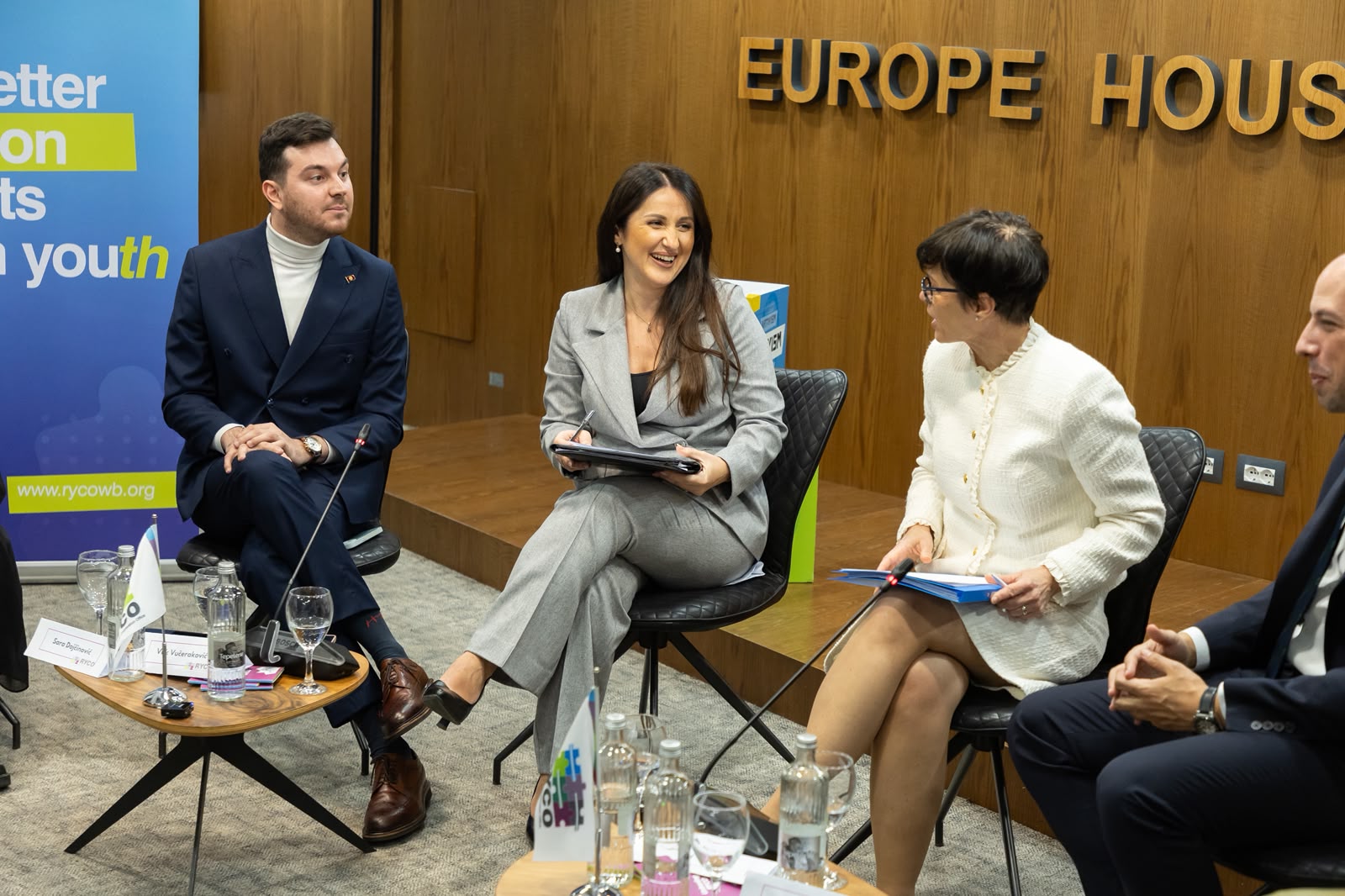
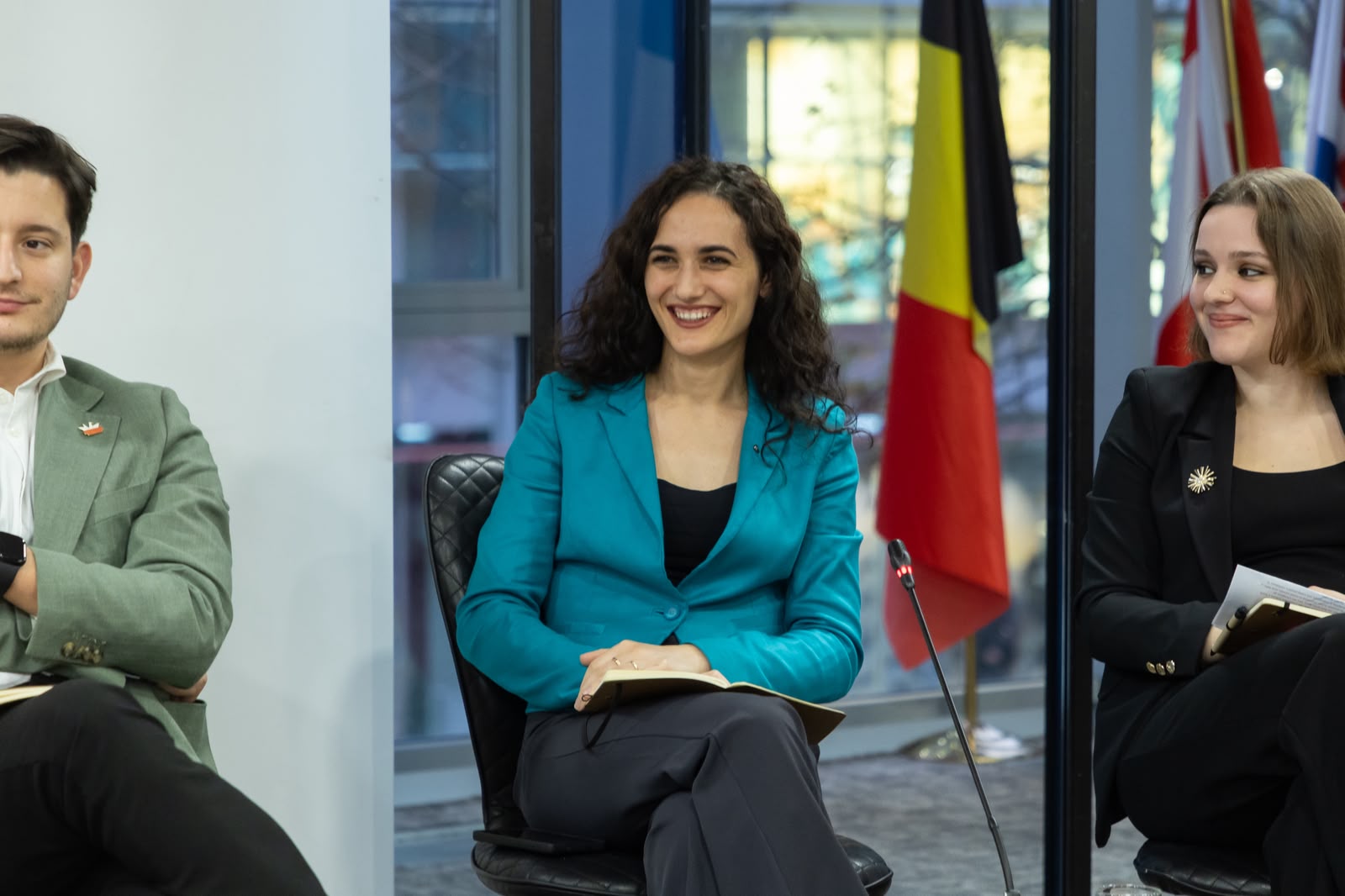
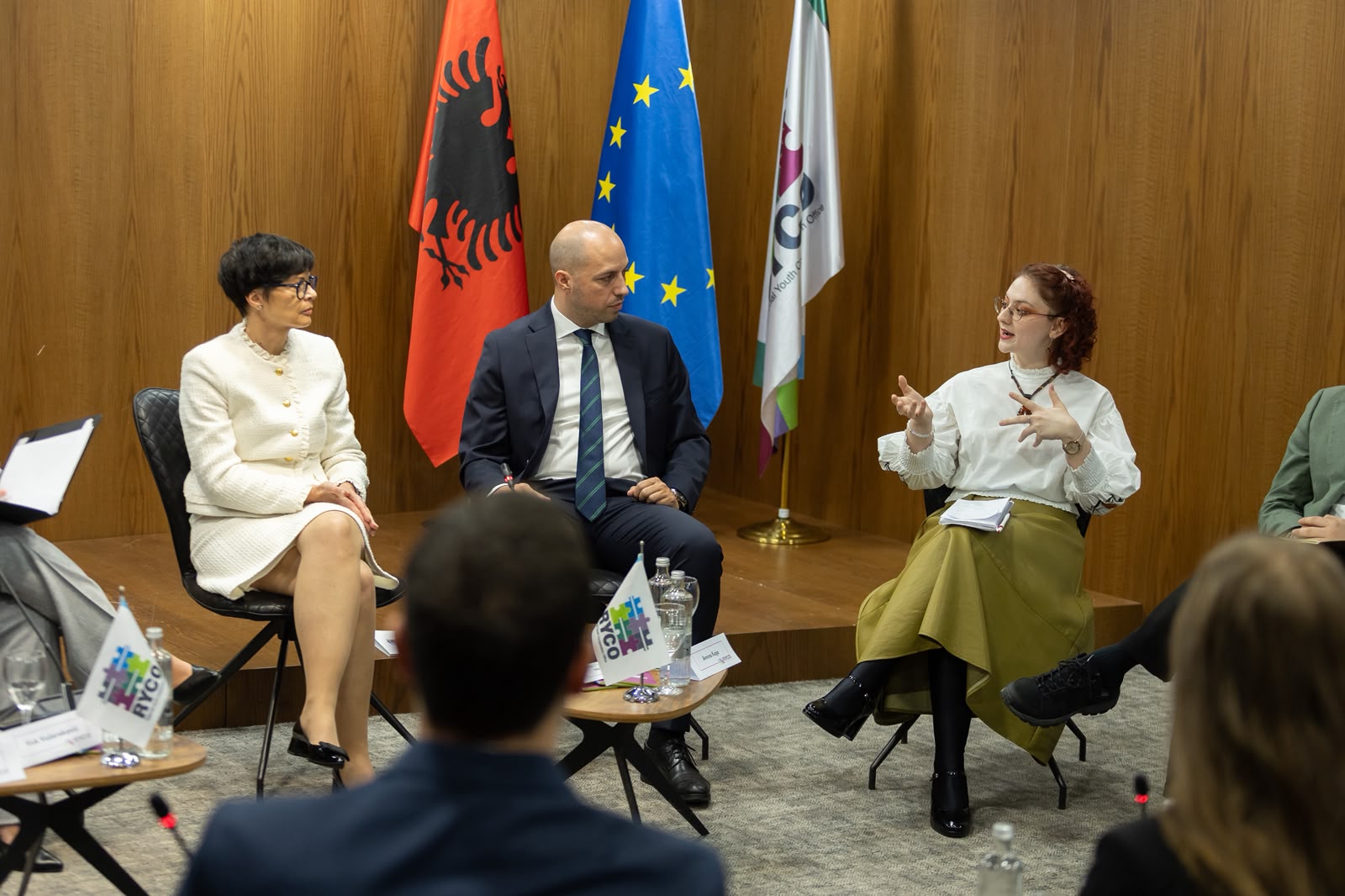
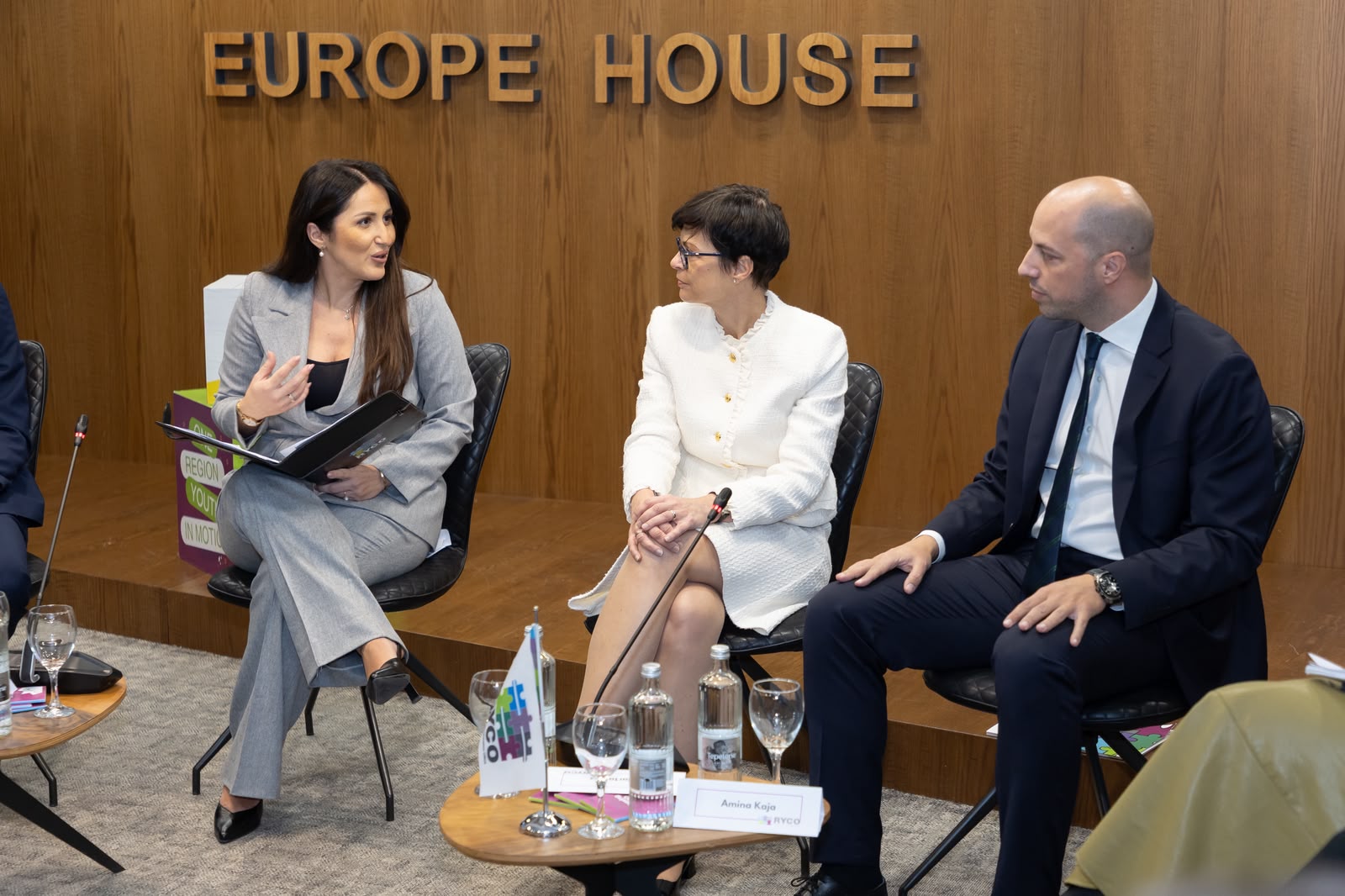
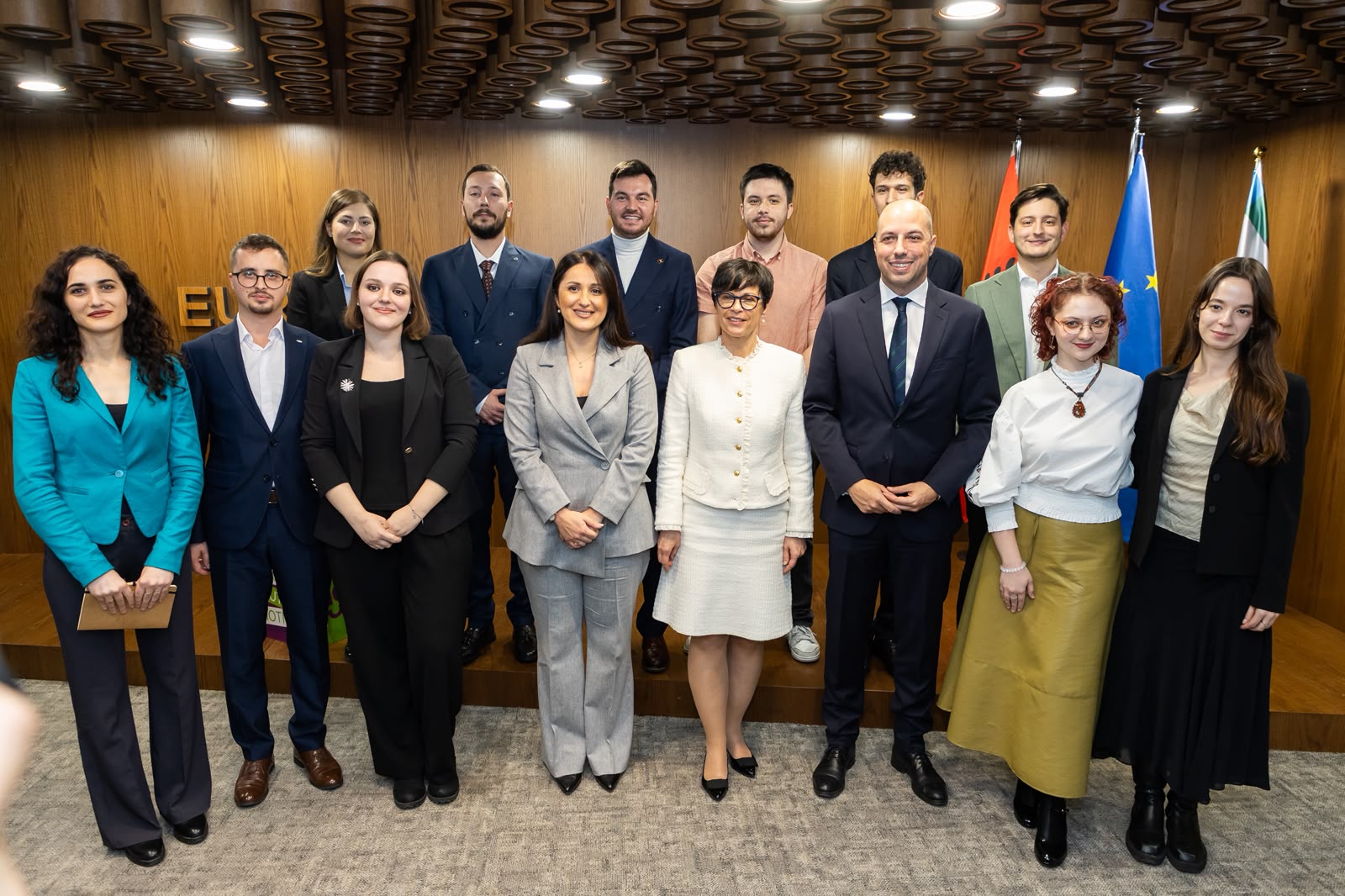
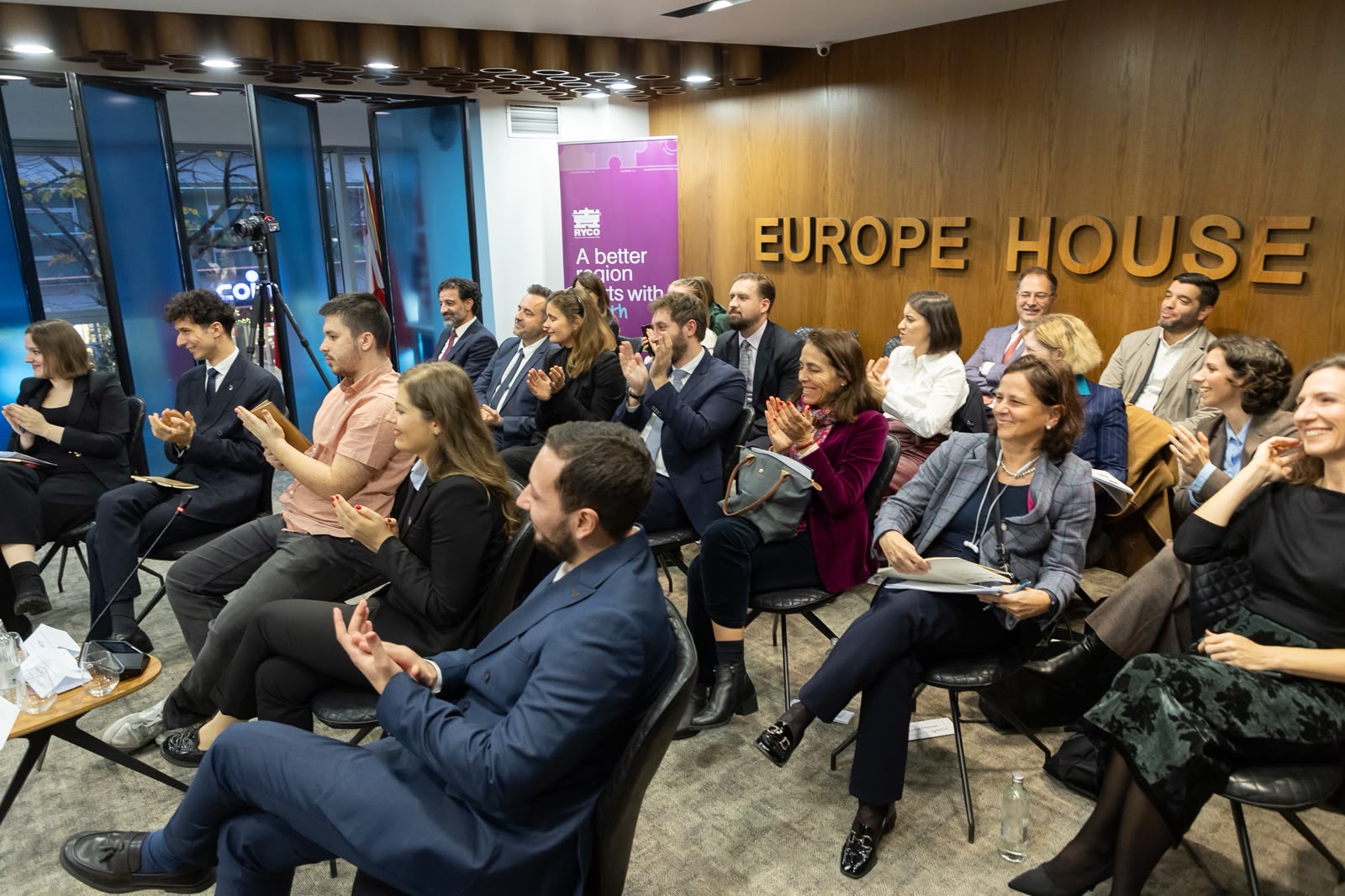
This question was at the heart of the Youth Roundtable on Reconciliation and Good Neighbourly Relations in the Western Balkans, held at Europe House in Tirana in the context of the Growth Plan Leaders’ Meeting. The event brought together European Commissioner for Enlargement Marta Kos, Secretary General of the Regional Youth Cooperation Office (RYCO) Vladimir Obradović, and 11 young people from across the Western Balkans.
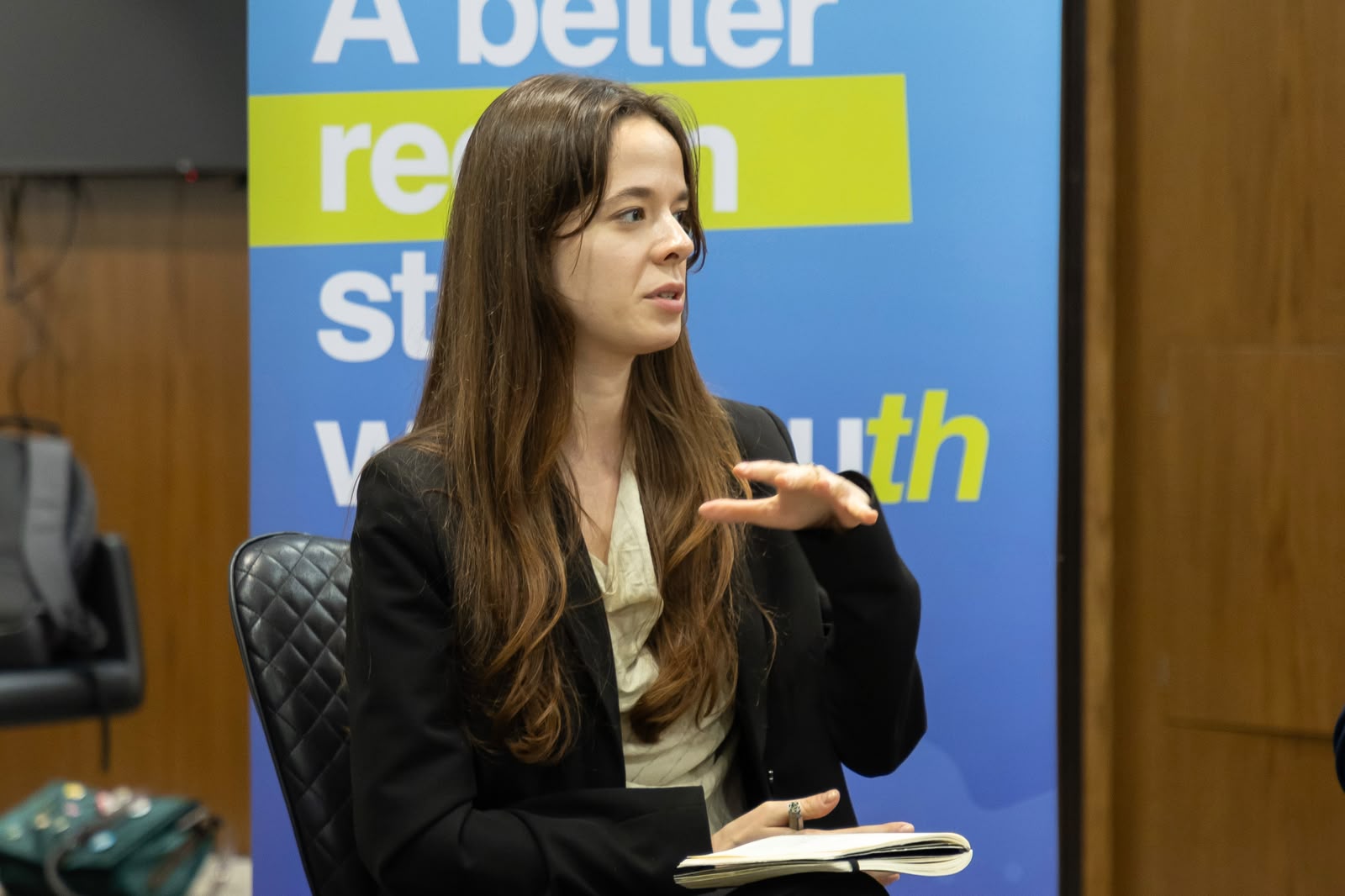
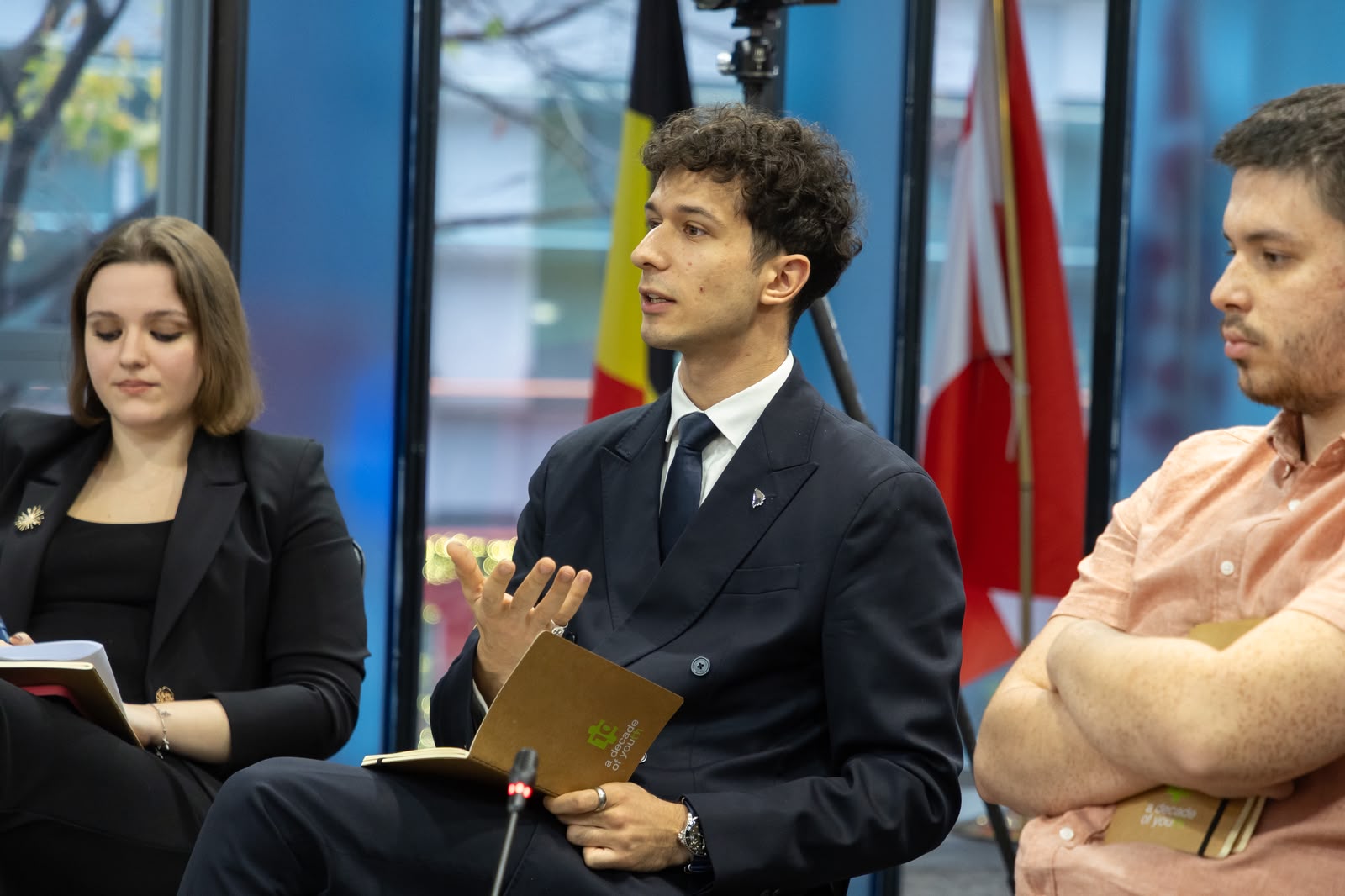
Roundtable placed young people at the center of an interactive dialogue, where Kos and Obradović addressed questions directly to young participants, exploring their experiences, priorities, and expectations for the region, while young people had the opportunity to raise their own questions, concerns, and proposals.
The discussion addressed challenges to reconciliation and regional cooperation, trust in institutions, and youth participation in decision-making. Particular attention was given to how young people can benefit from European integration even before EU accession, through better access to education, employment, skills development, and professional opportunities.
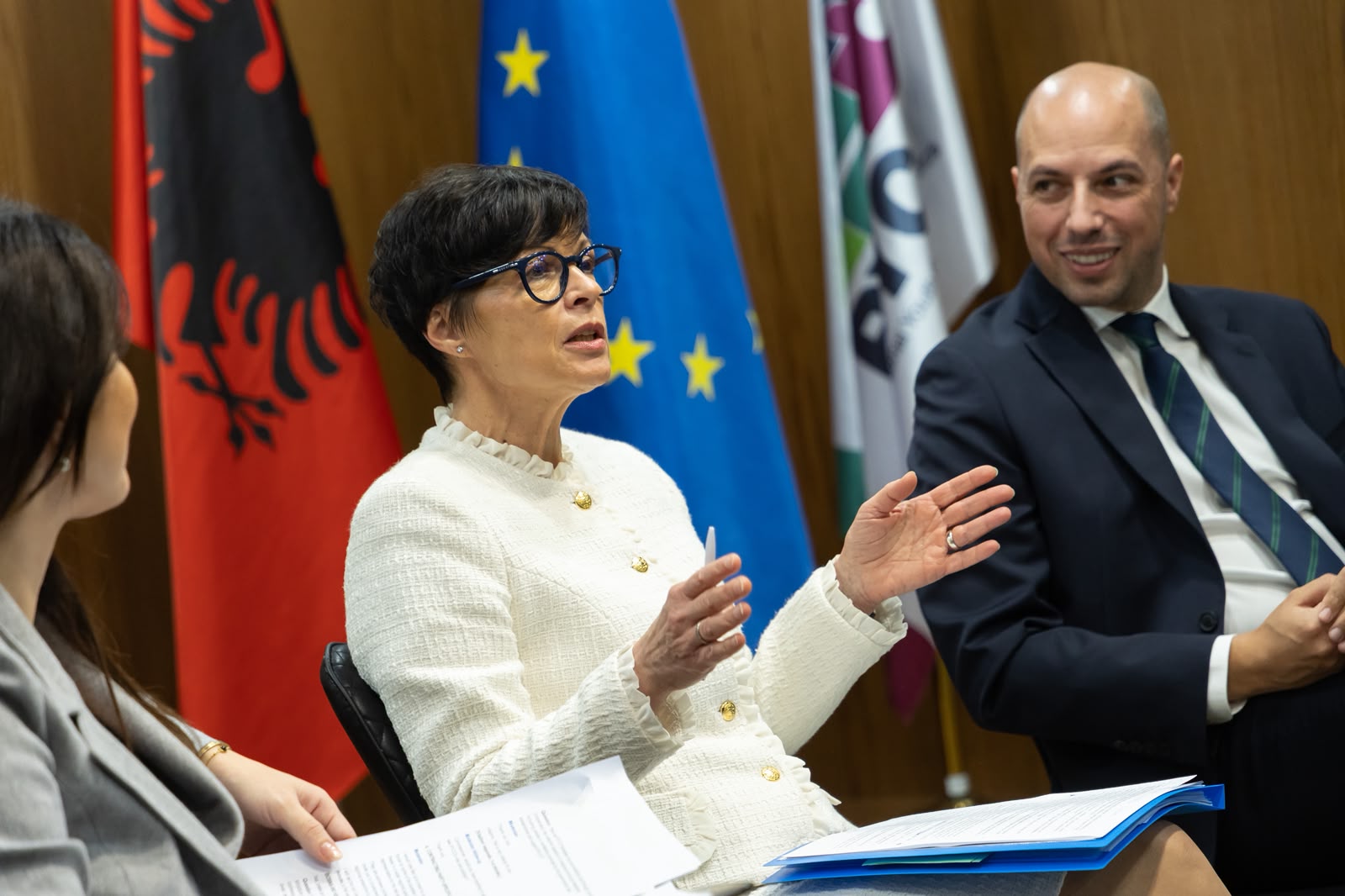
Commissioner Kos emphasized the role of young people in building trust and shaping the region’s European future:
“Young people should have a say in the decisions that shape their future. They can build the trust it takes to heal the wounds of the past and look towards a better future, with all Western Balkans in the European Union.”
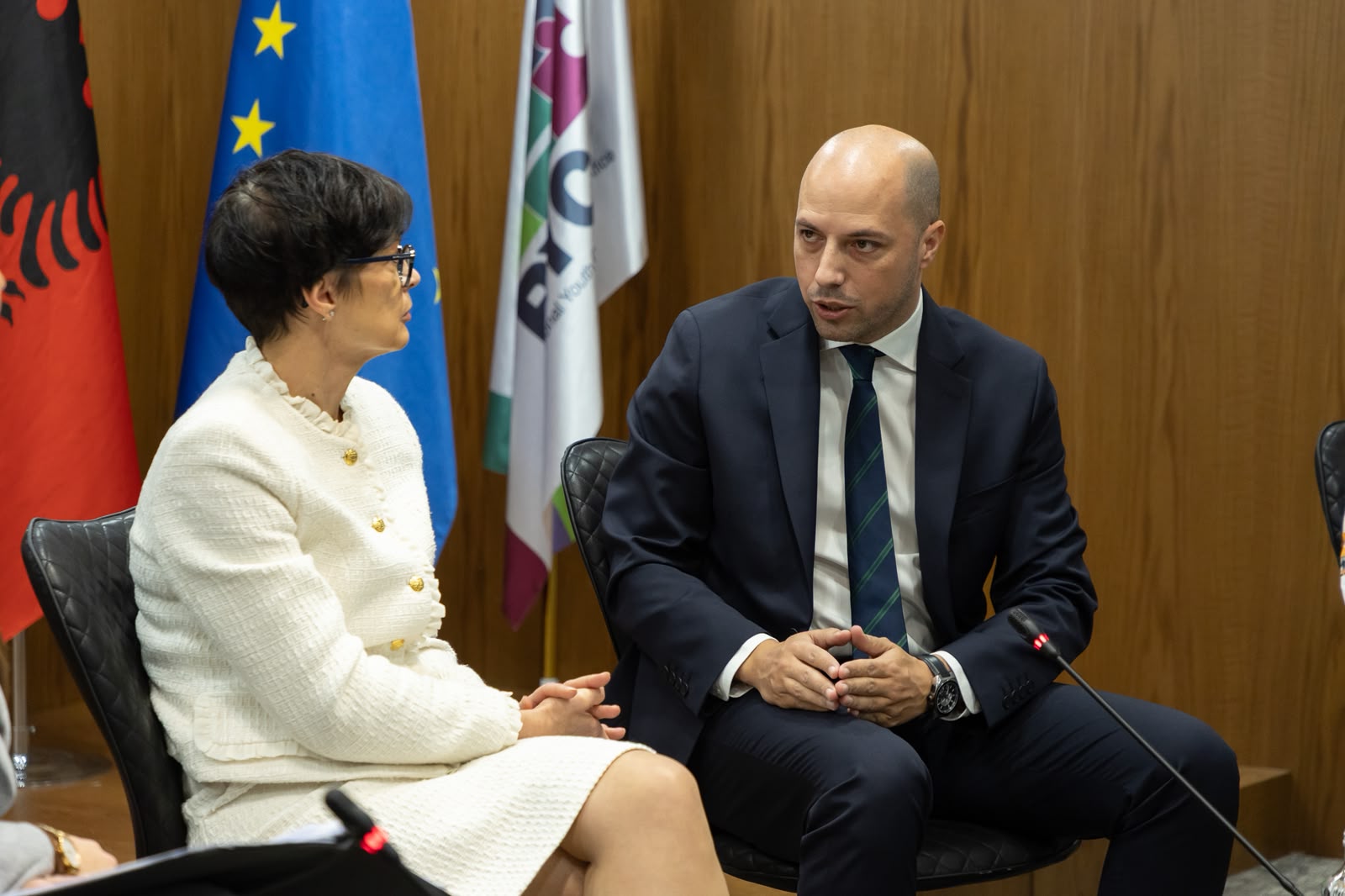
Drawing on RYCO’s experience over the past decade, Secretary General Obradović highlighted the importance of translating the trust and solidarity built through regional youth cooperation into sustained partnerships, collective action, and meaningful engagement with decision-makers. He also pointed to the potential of connecting RYCO’s extensive regional networks more closely with European opportunities.
“When young people from different parts of the Western Balkans meet, they naturally talk about what they have in common – their dreams, education, plans for the future, and everyday life. It is through these connections that trust grows and reconciliation takes shape. Over the past decade, RYCO has built a community of more than 85,000 young people contributing to reconciliation, while also bringing governments together and strengthening cooperation with our partners, including the European Union,” Obradovic stated.
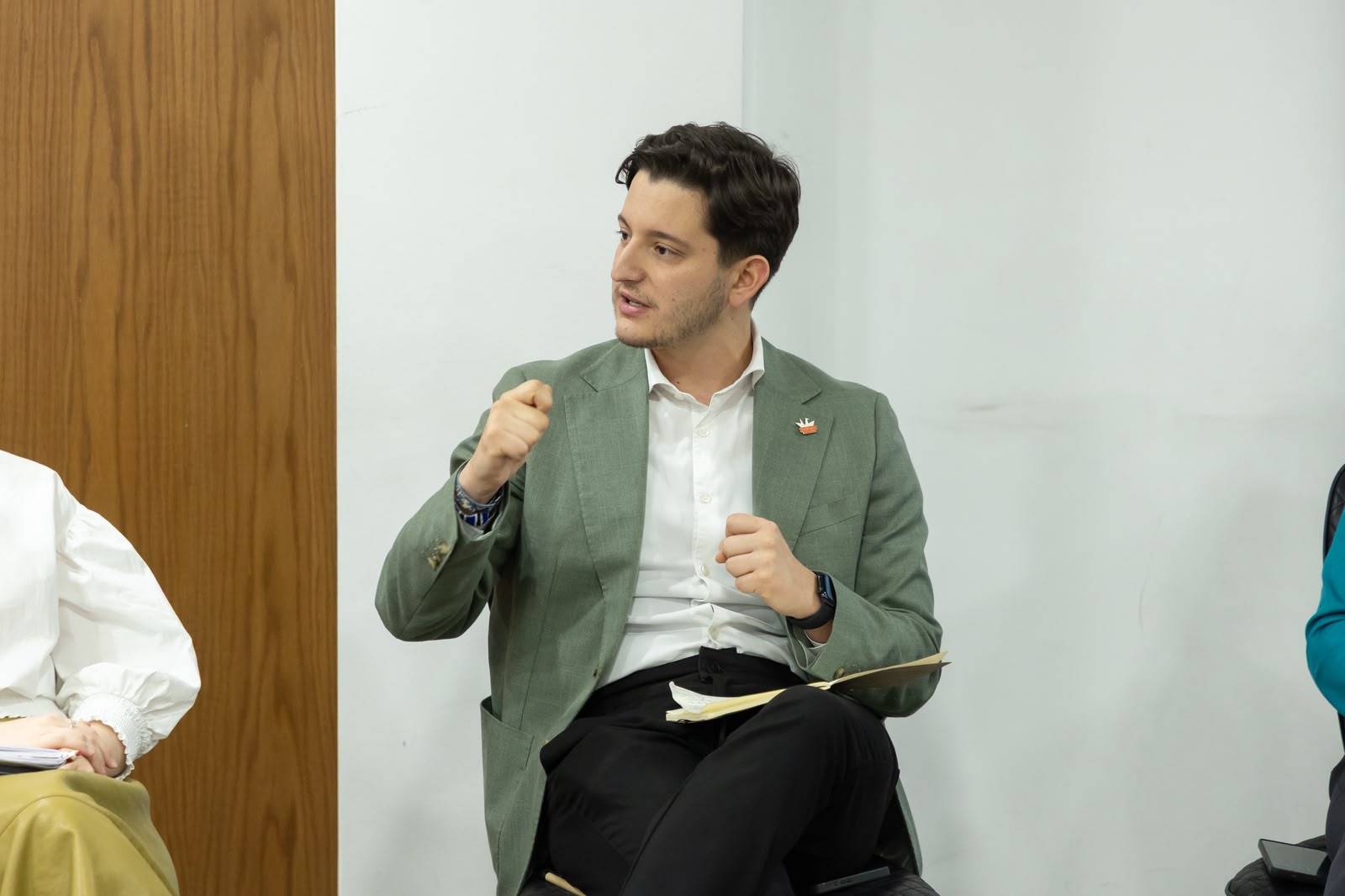
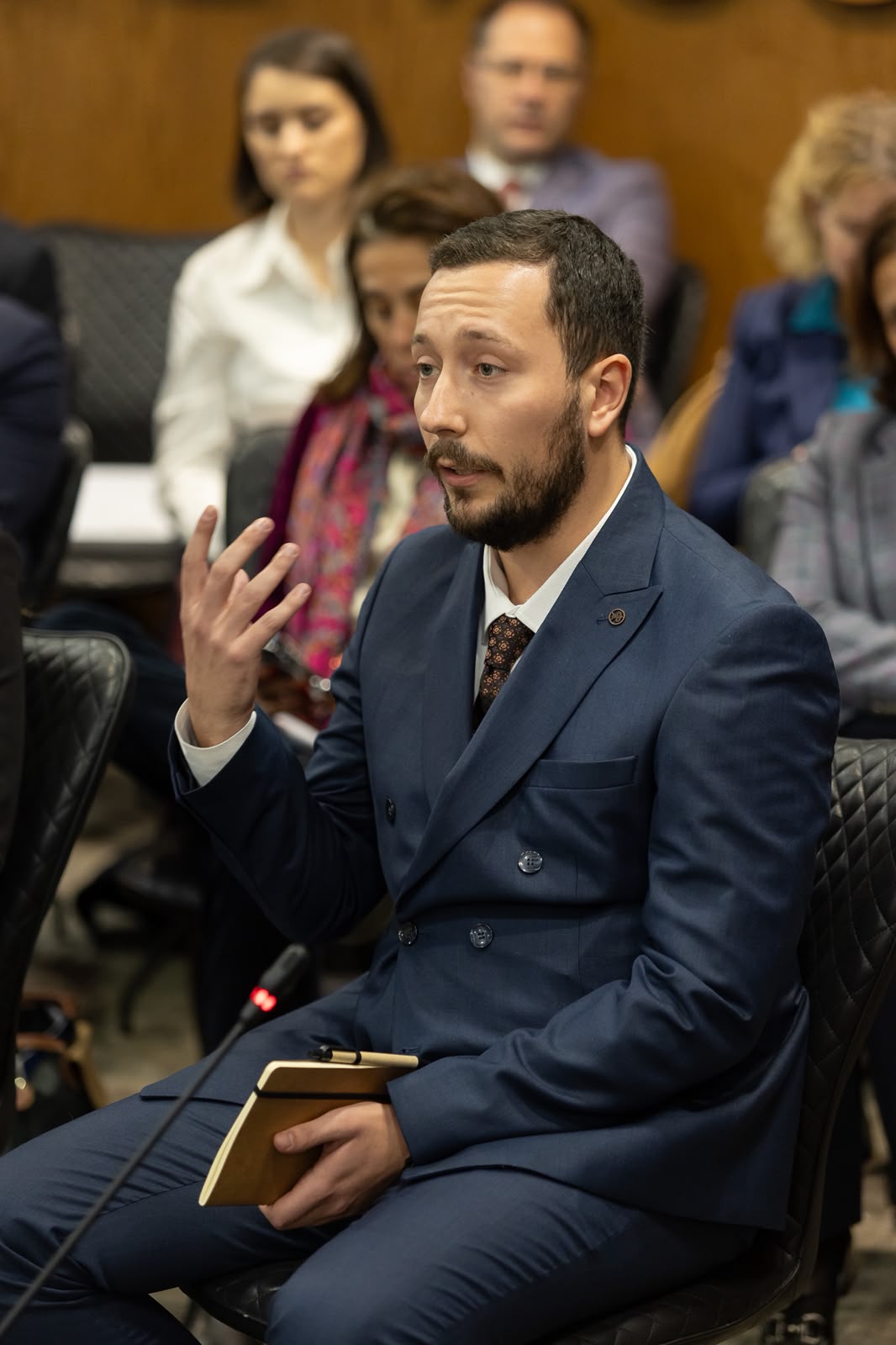
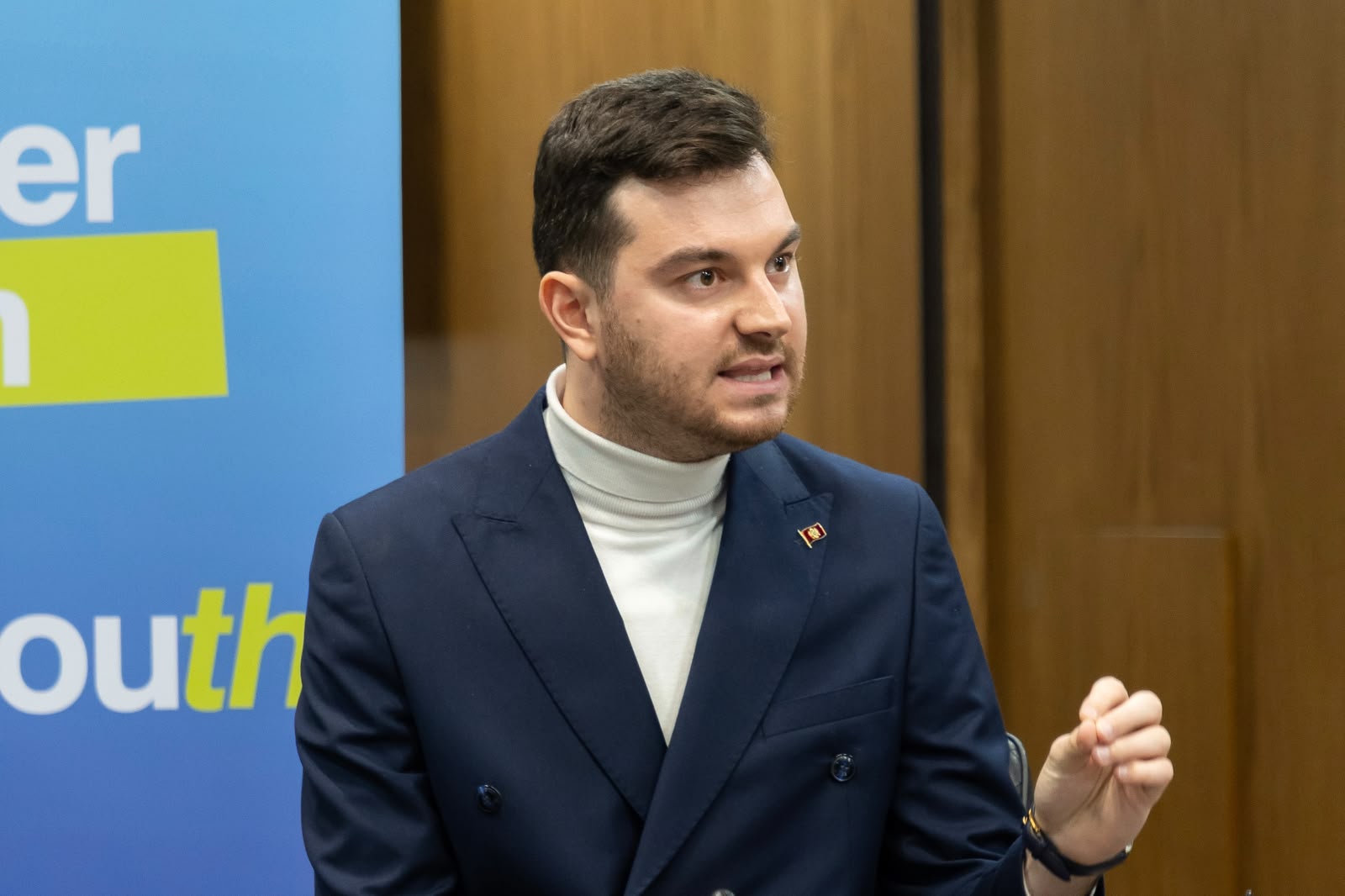
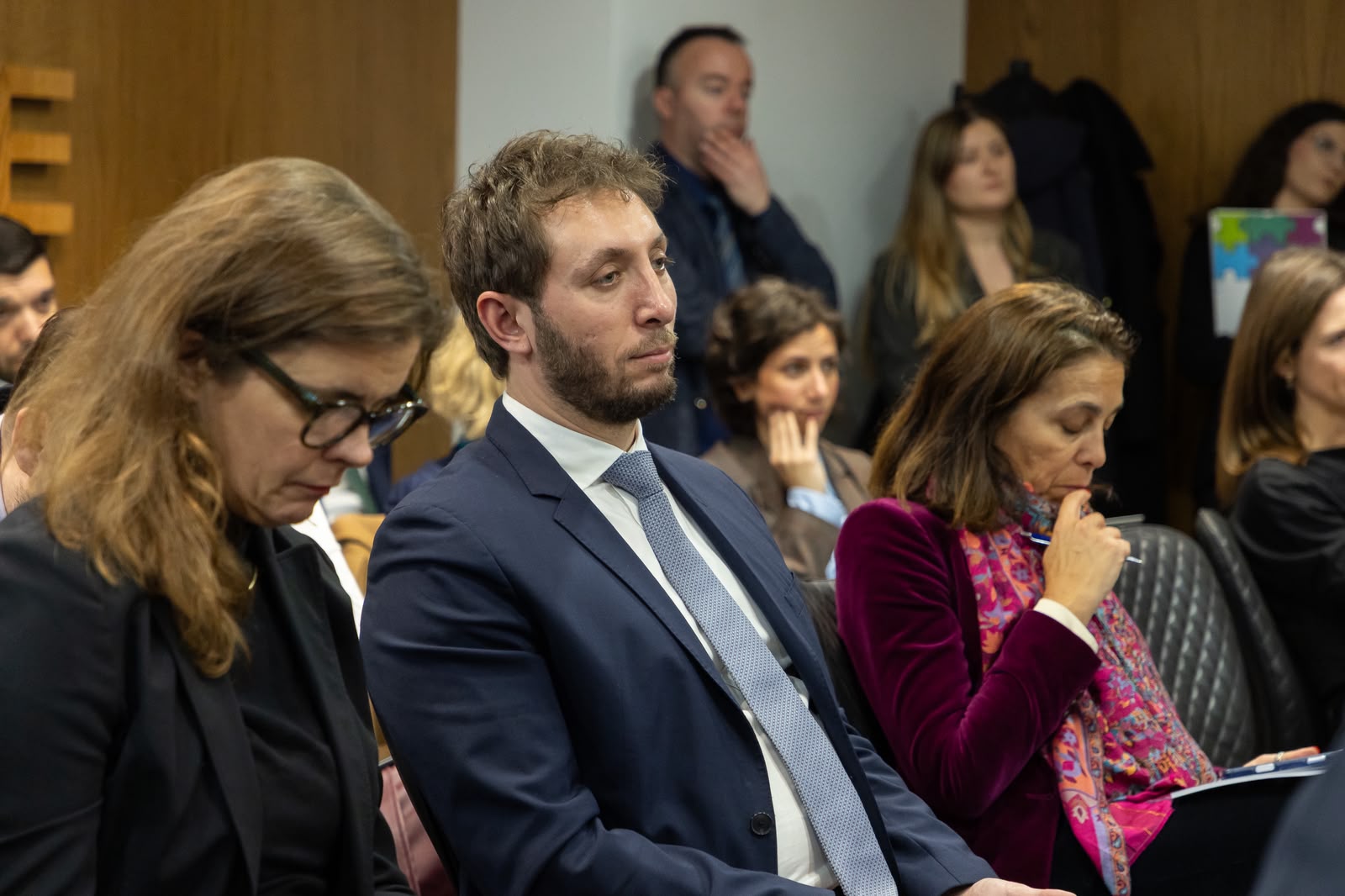
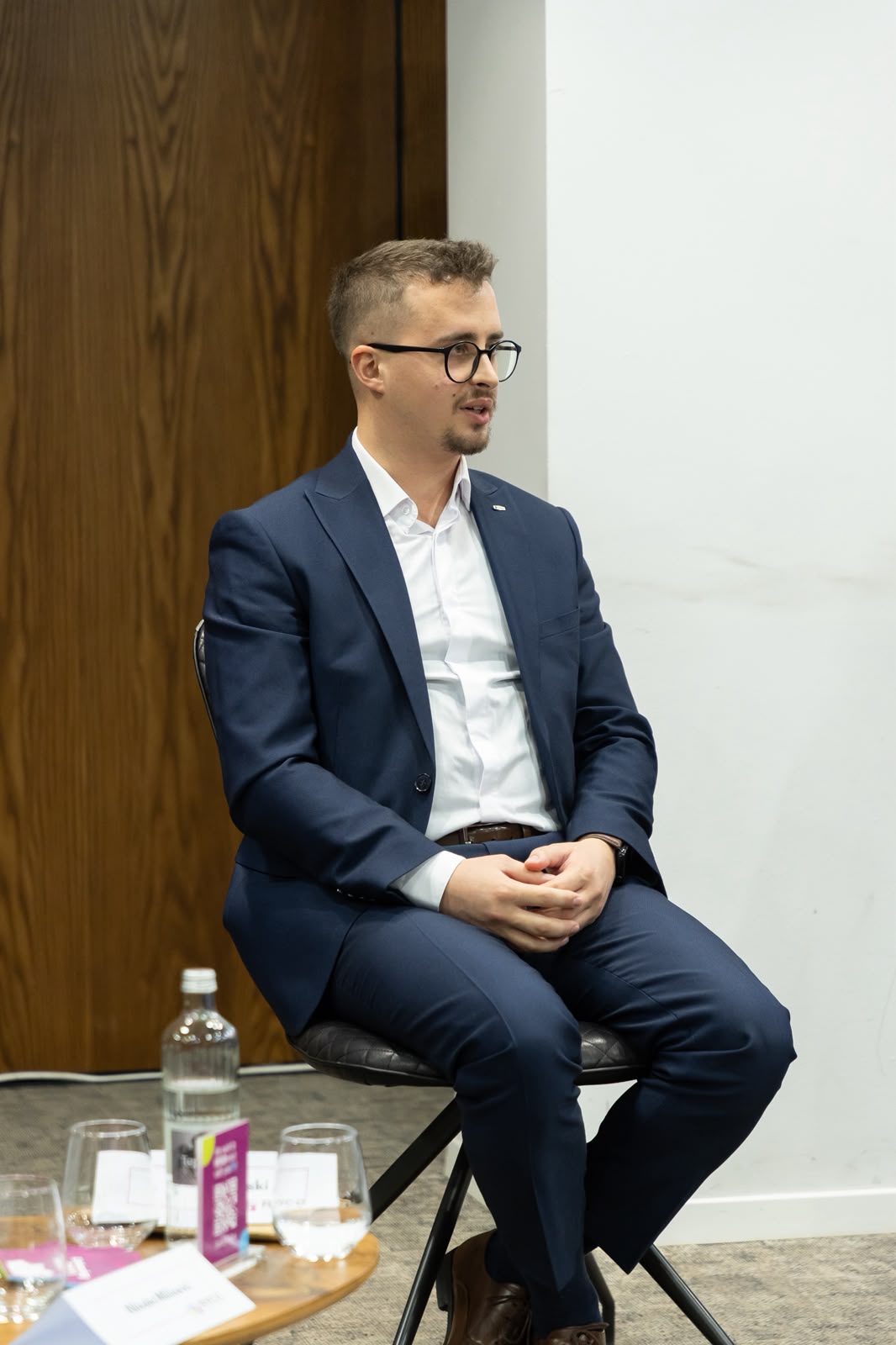
Young participants shared their perspectives on the role of education in advancing reconciliation, particularly in relation to different school curricula and historical narratives across the region. They also highlighted the importance of continued EU engagement with political leaders and greater youth involvement in decision-making, as well as making the progress and benefits of European integration more visible and accessible to citizens.
“Every completed reform should be linked to visible benefits for citizens, with progress communicated publicly and in a language young people can understand. Where the EU is already delivering results, we should show them locally, so people can see what EU support means for their own communities,” said Ema Mecaj, a medical student and roundtable participant.
The roundtable in Tirana, moderated by Evis Myftari, Head of RYCO Local Branch Office in Albania, also highlighted the importance of moving beyond dialogue and creating opportunities for young people to influence decisions, take their ideas forward, and see their recommendations translated into concrete action.
As RYCO enters its second decade, the roundtable provided an opportunity to explore further cooperation between RYCO and the European Union in advancing reconciliation, strengthening youth participation, and responding to the priorities of young people across the Western Balkans.