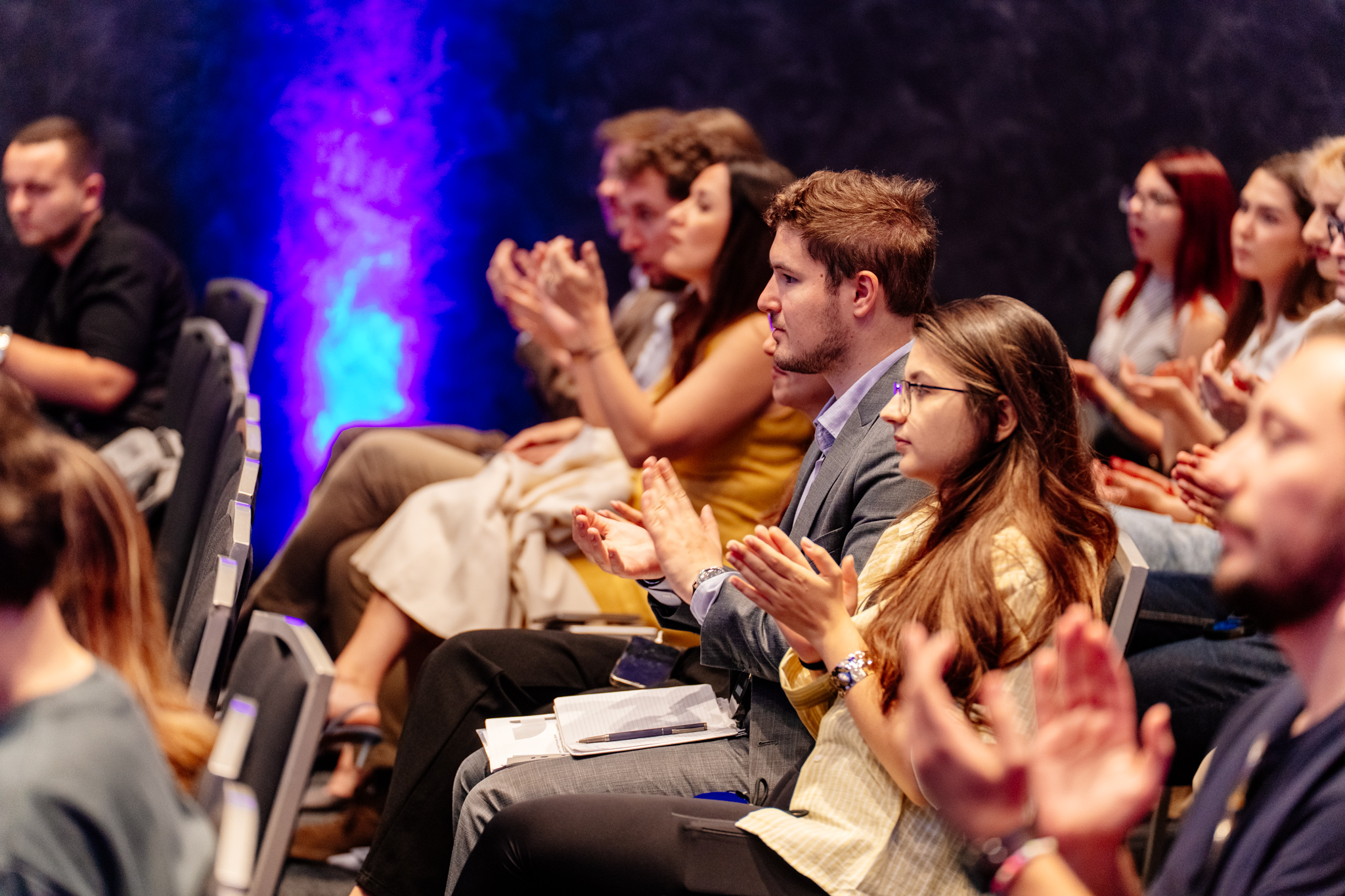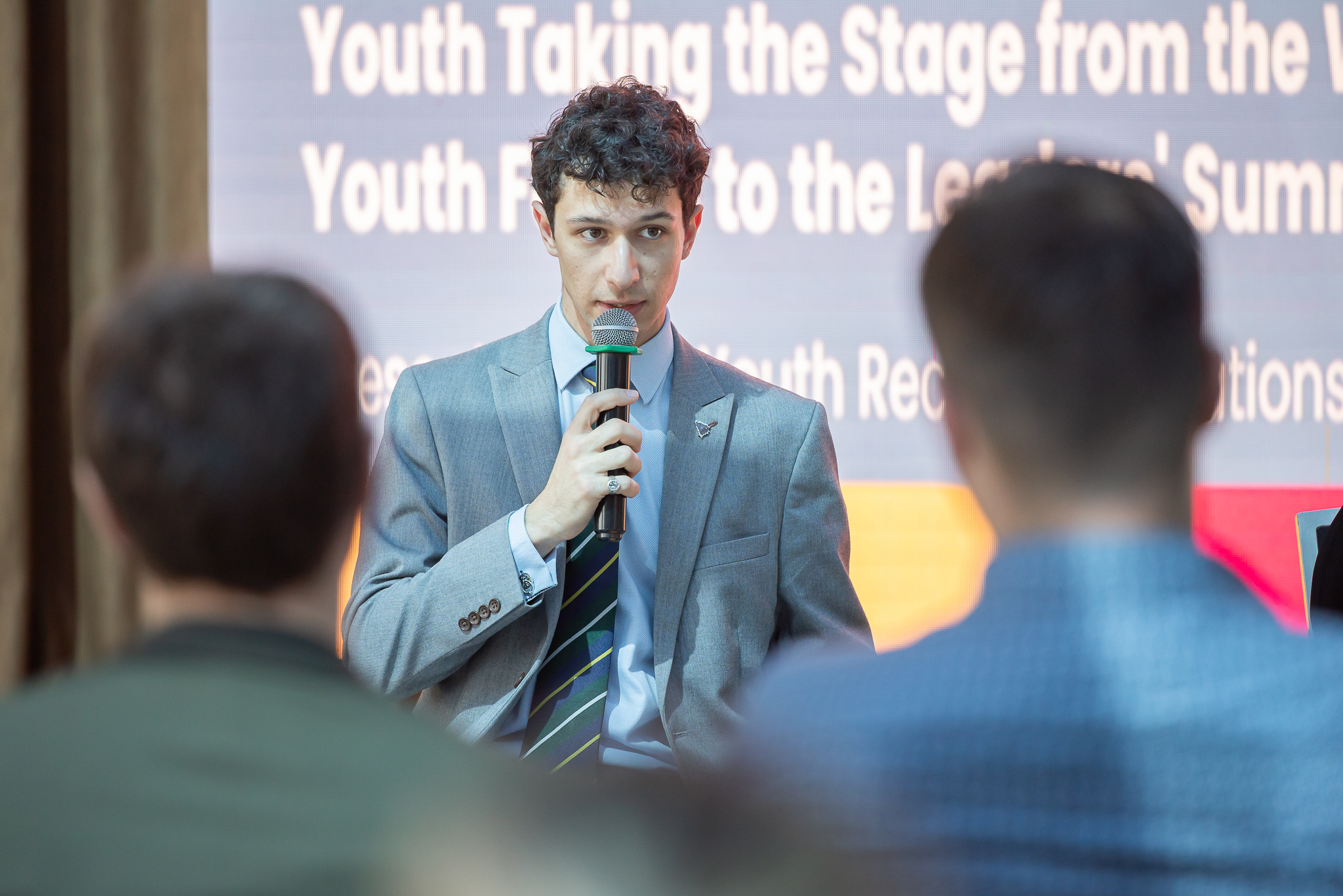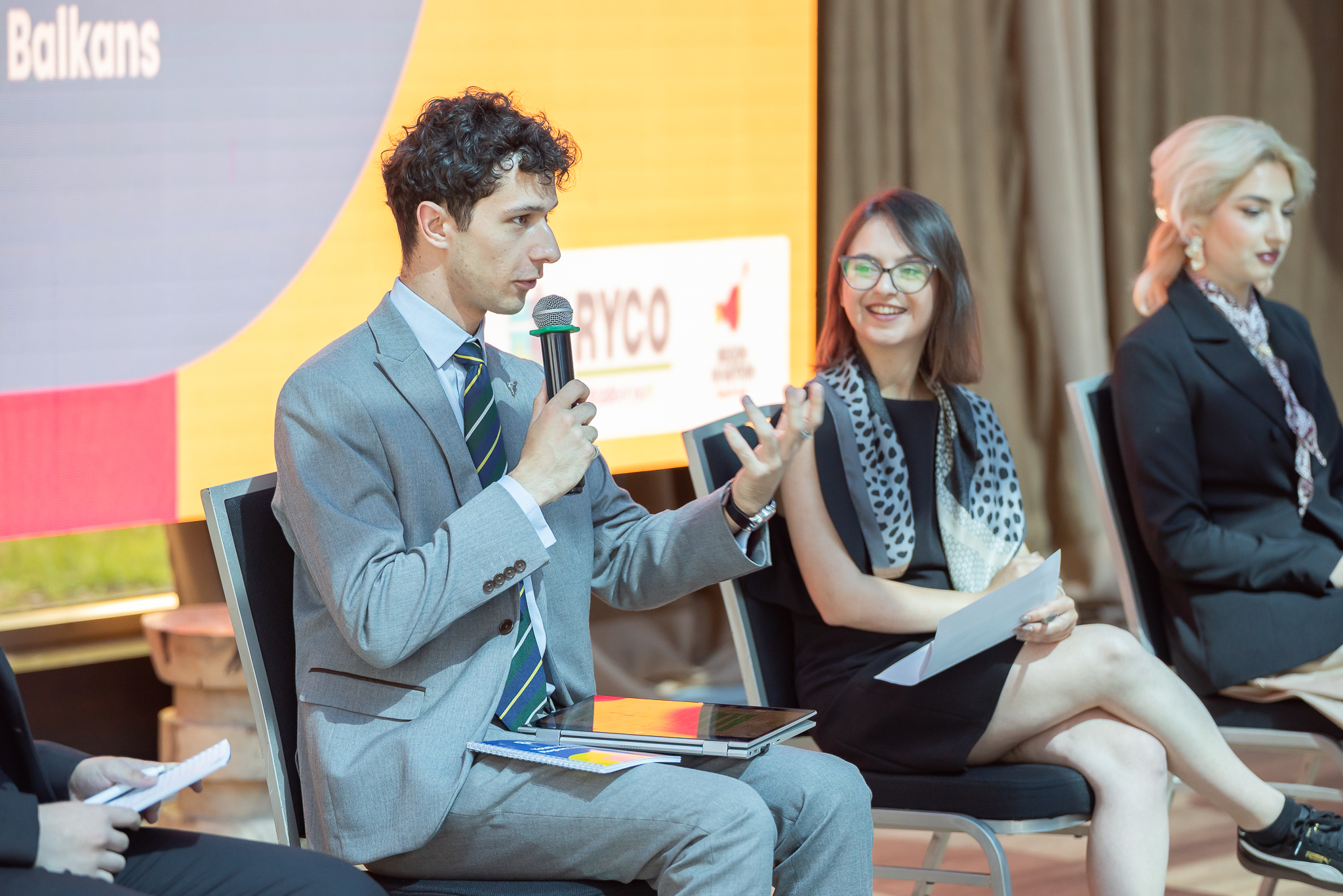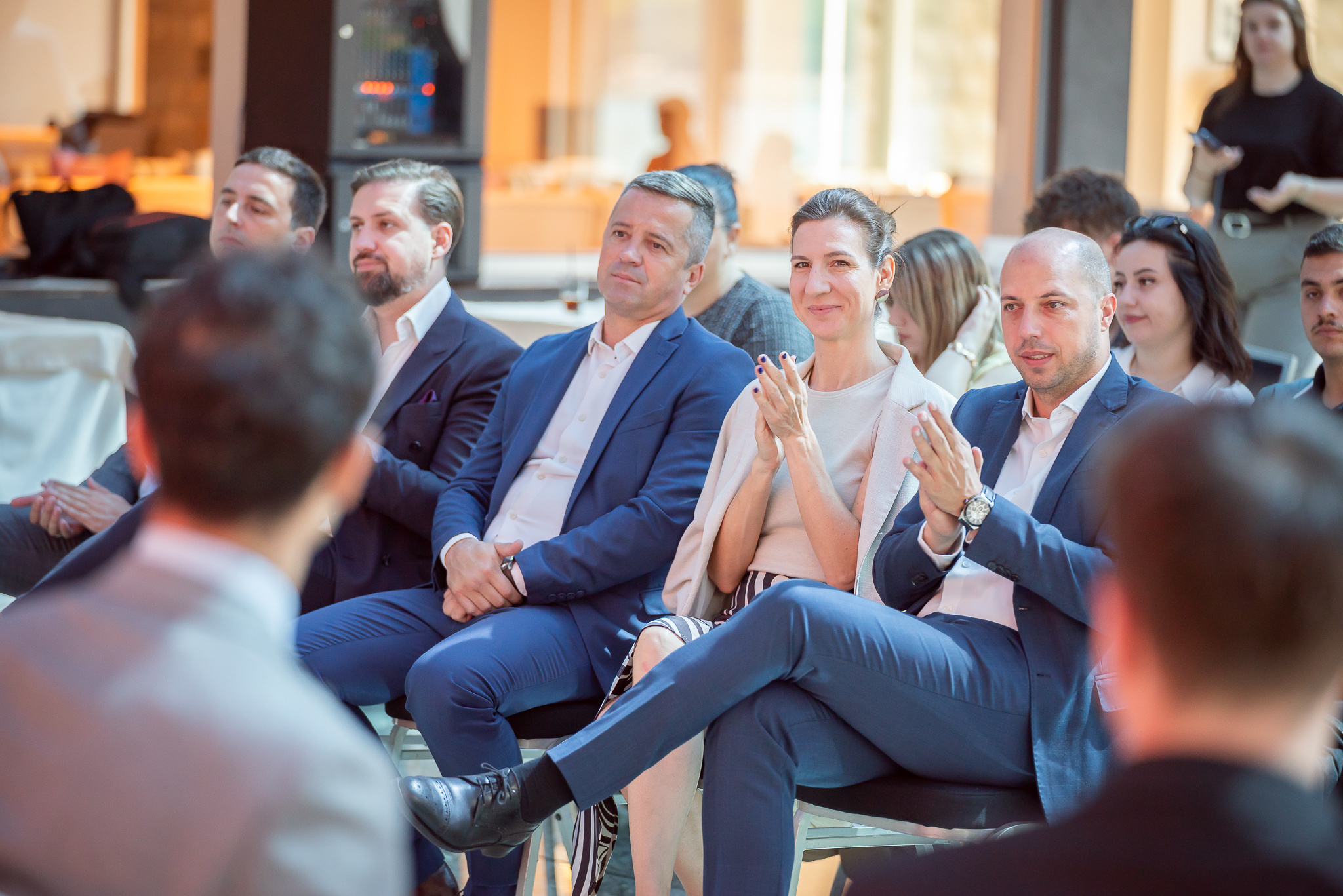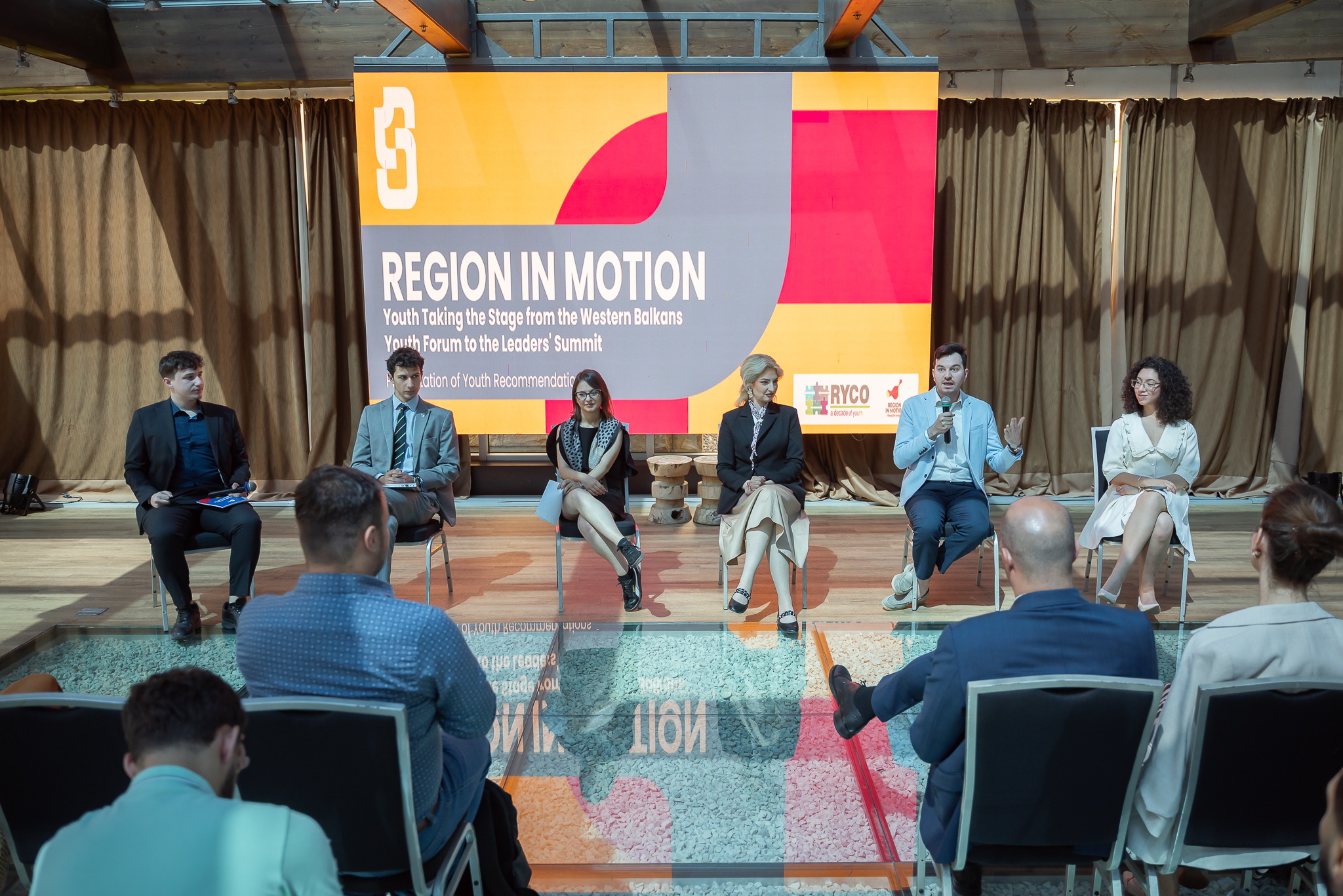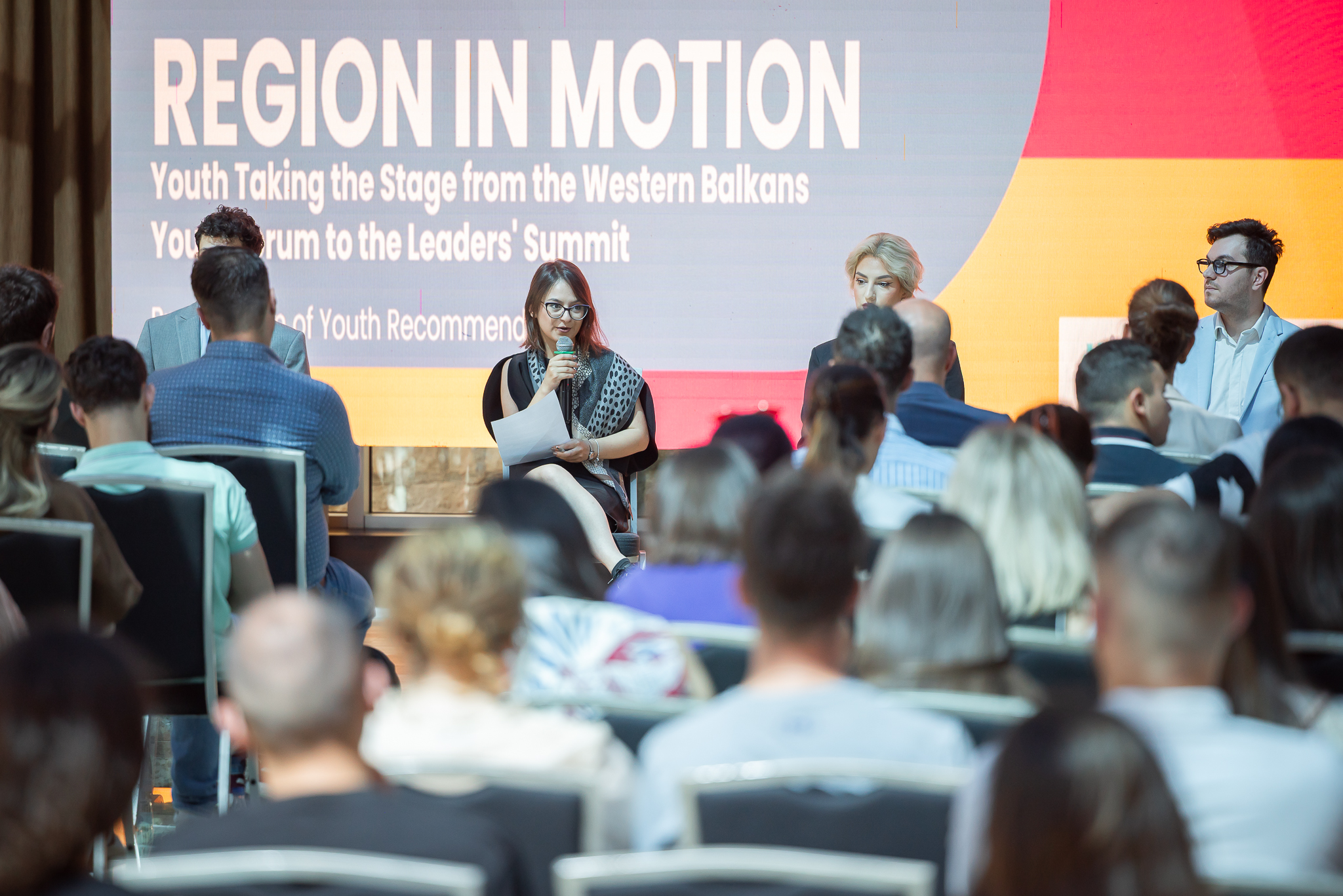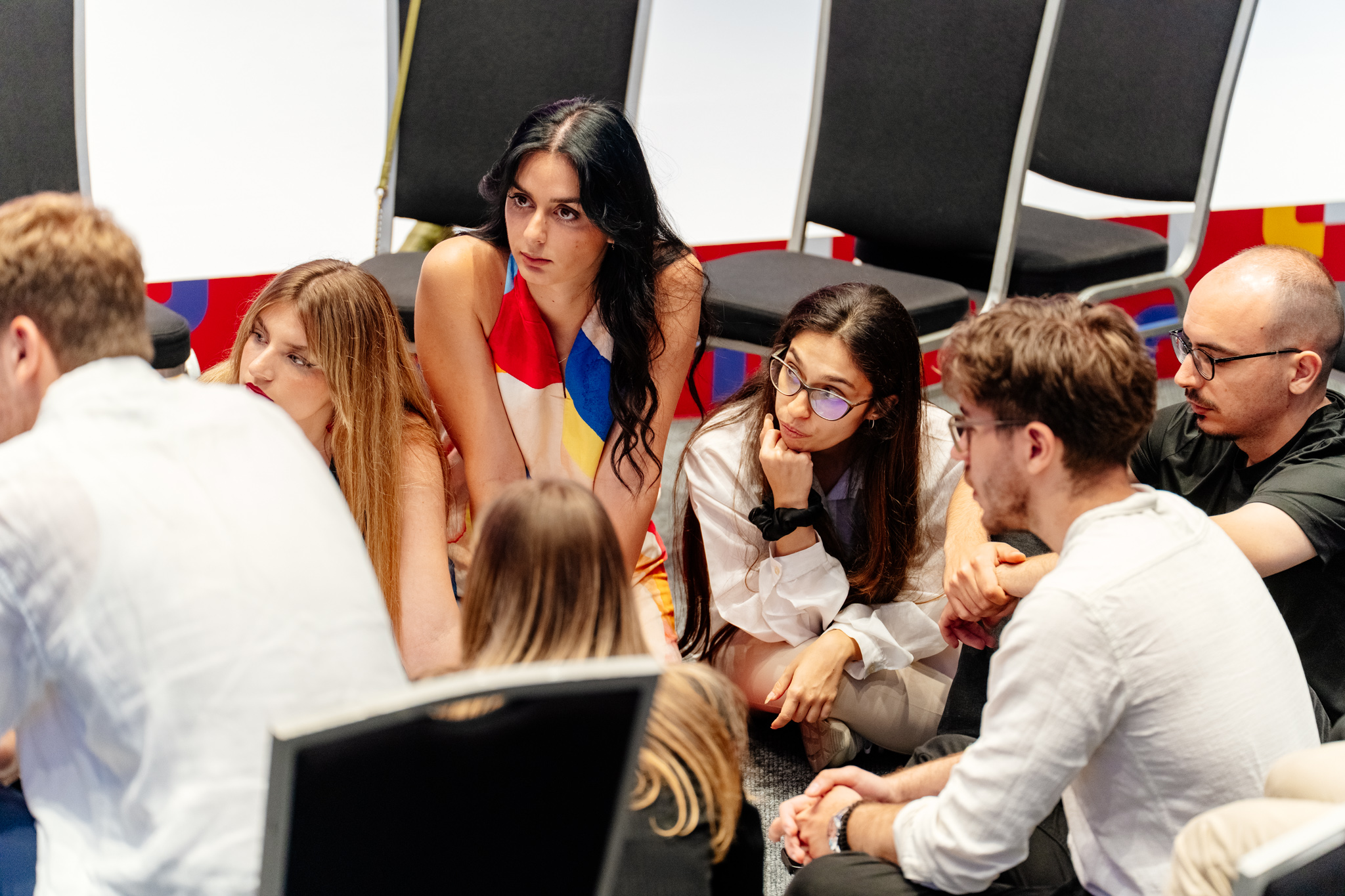
The Western Balkans Youth Forum 2026 concluded in Budva after four days of dialogue, collaboration, and exchange among young people from across the region. Throughout the Forum, participants worked together to develop recommendations that will help shape discussions on regional cooperation and be presented at key Berlin Process events, including the Leaders’ Summit.
The Forum brought together more than 100 young people from across the Western Balkans, alongside representatives of governments, regional and international organizations, civil society, and the diplomatic community.
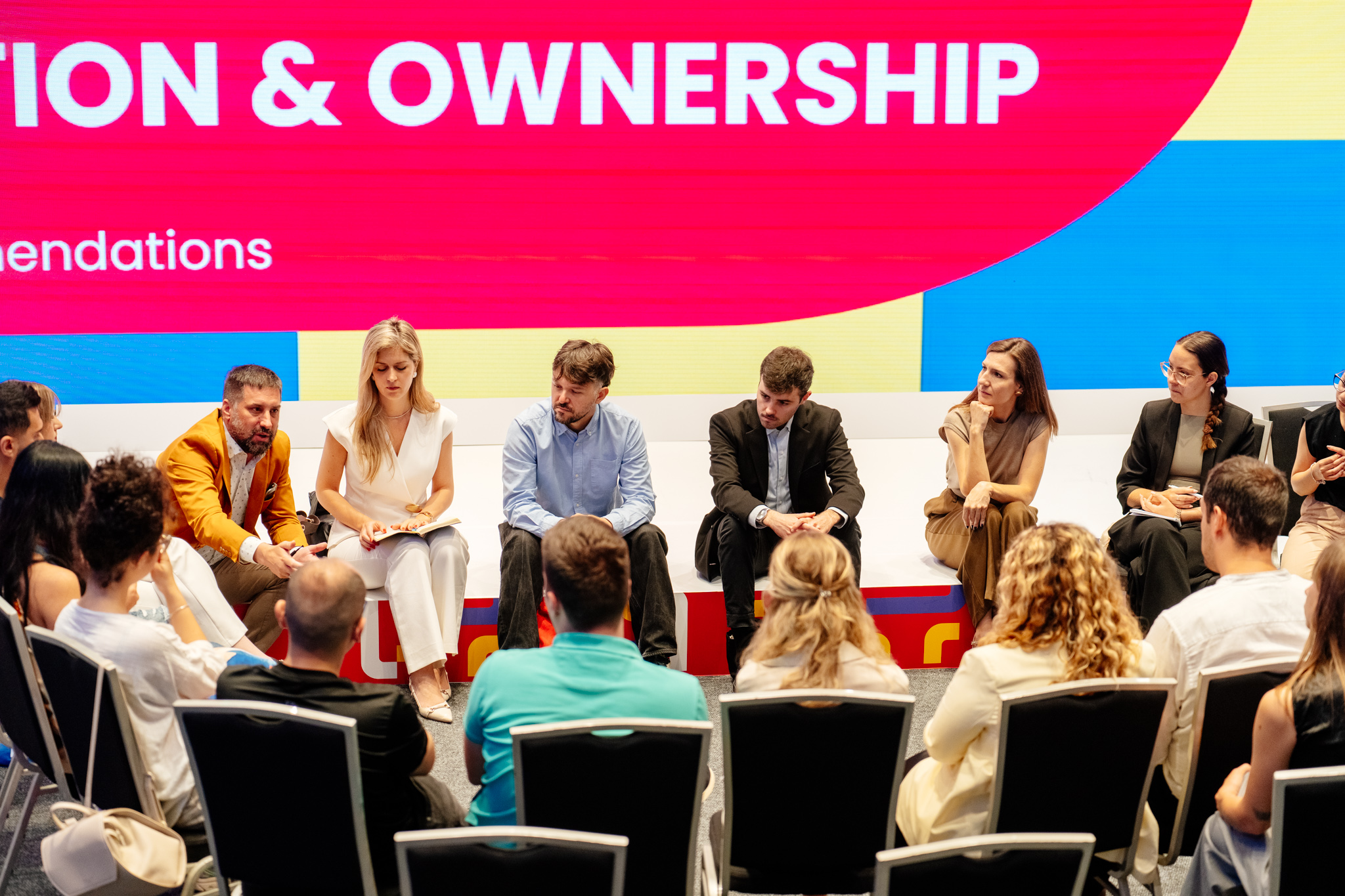
On the final day of the Forum, participants presented recommendations developed through working groups focused on three key areas: a green and sustainable region, peace, security and inclusive societies, and skills, opportunities and innovation.
Recommendations for Decision-Makers
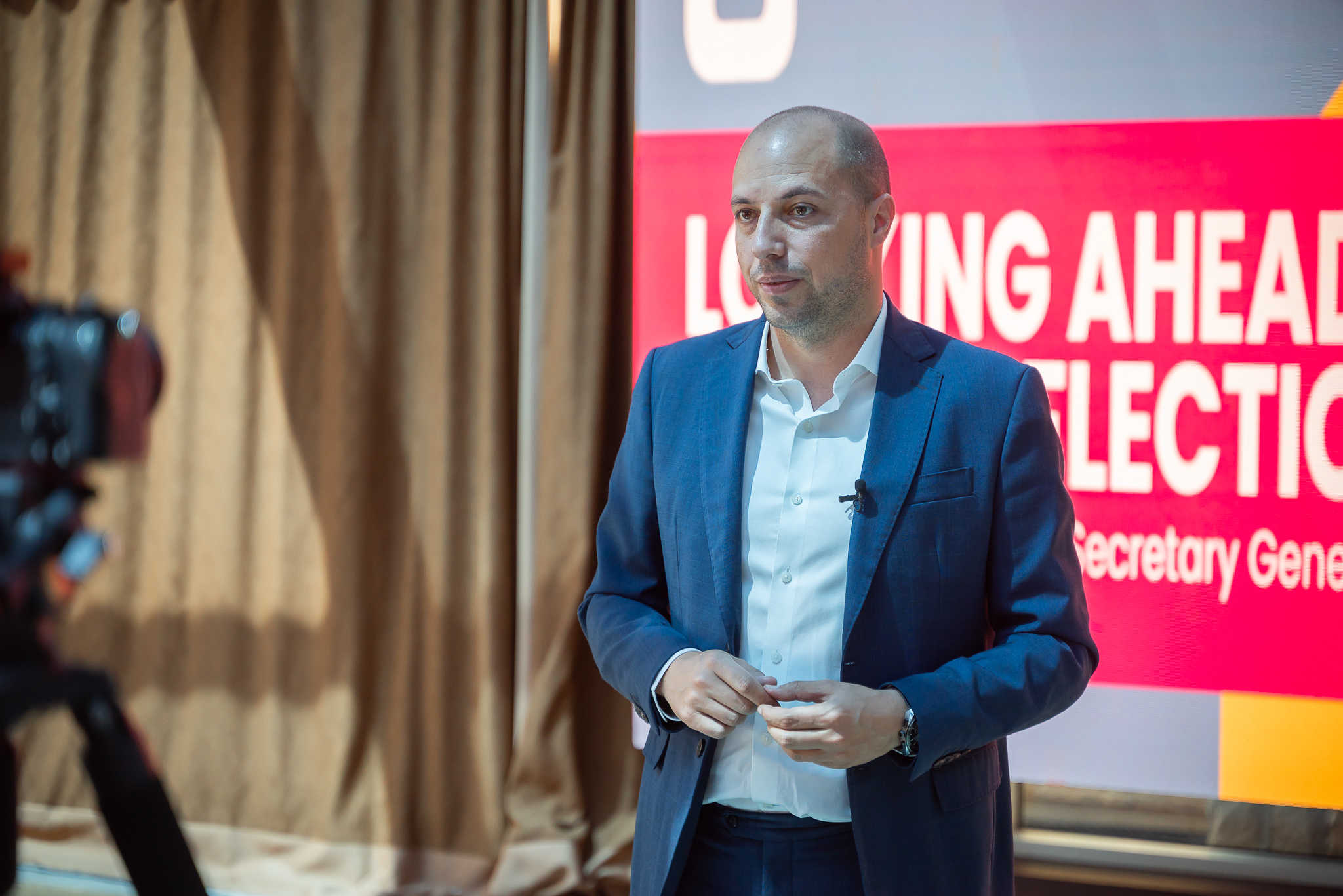
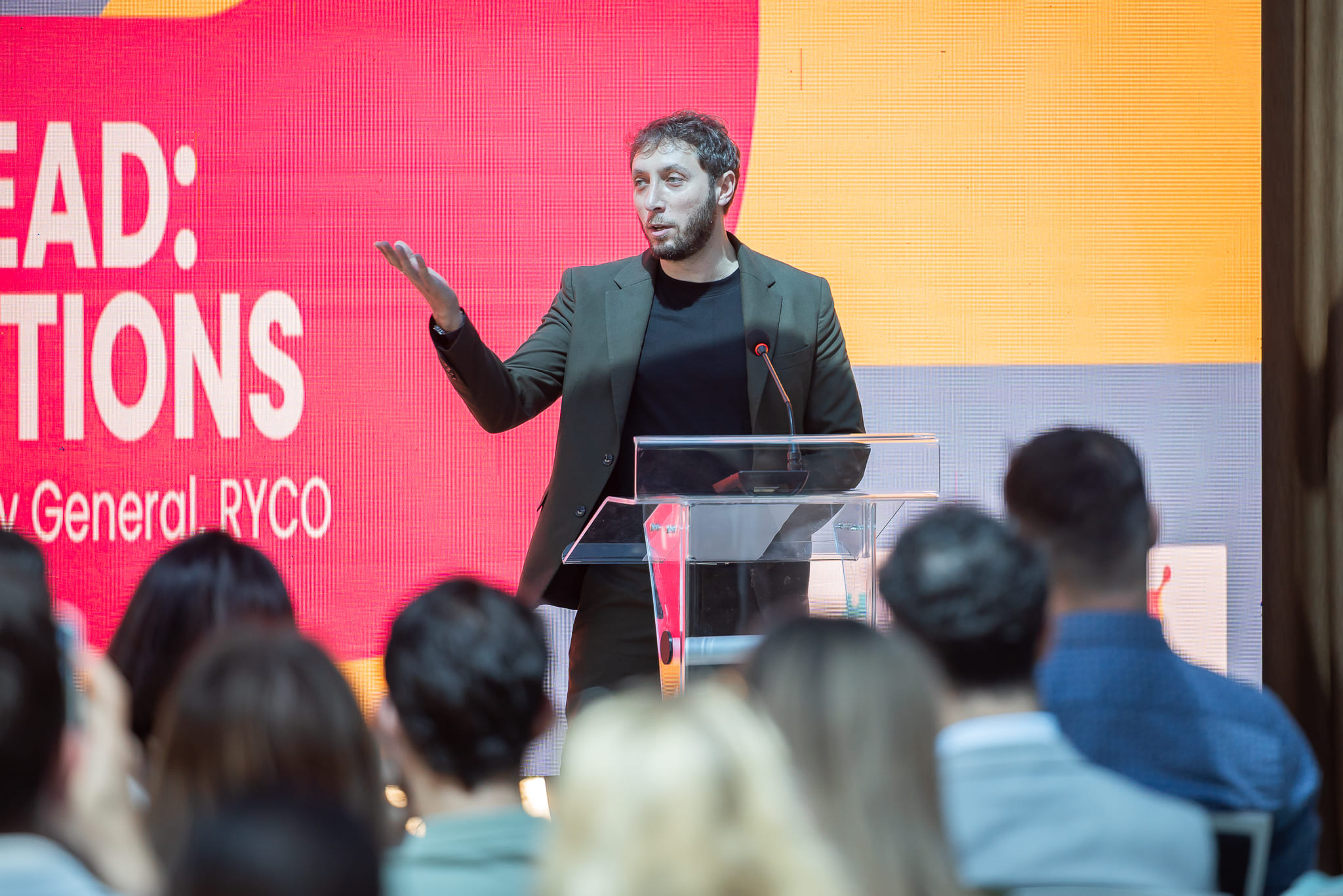
RYCO Secretary General Vladimir Obradović emphasized that the discussions and cooperation among young people demonstrated the region’s potential for a different future.
“It was a pleasure to exchange experiences with more than 120 young people and to see that, in their conversations, they often communicate better than our government institutions do. What our governments should do in the future, and what would be both my recommendation and the recommendation of young people, is for institutions and youth to work hand in hand to build a better and more prosperous future for young people in the Western Balkans,” said Obradović.
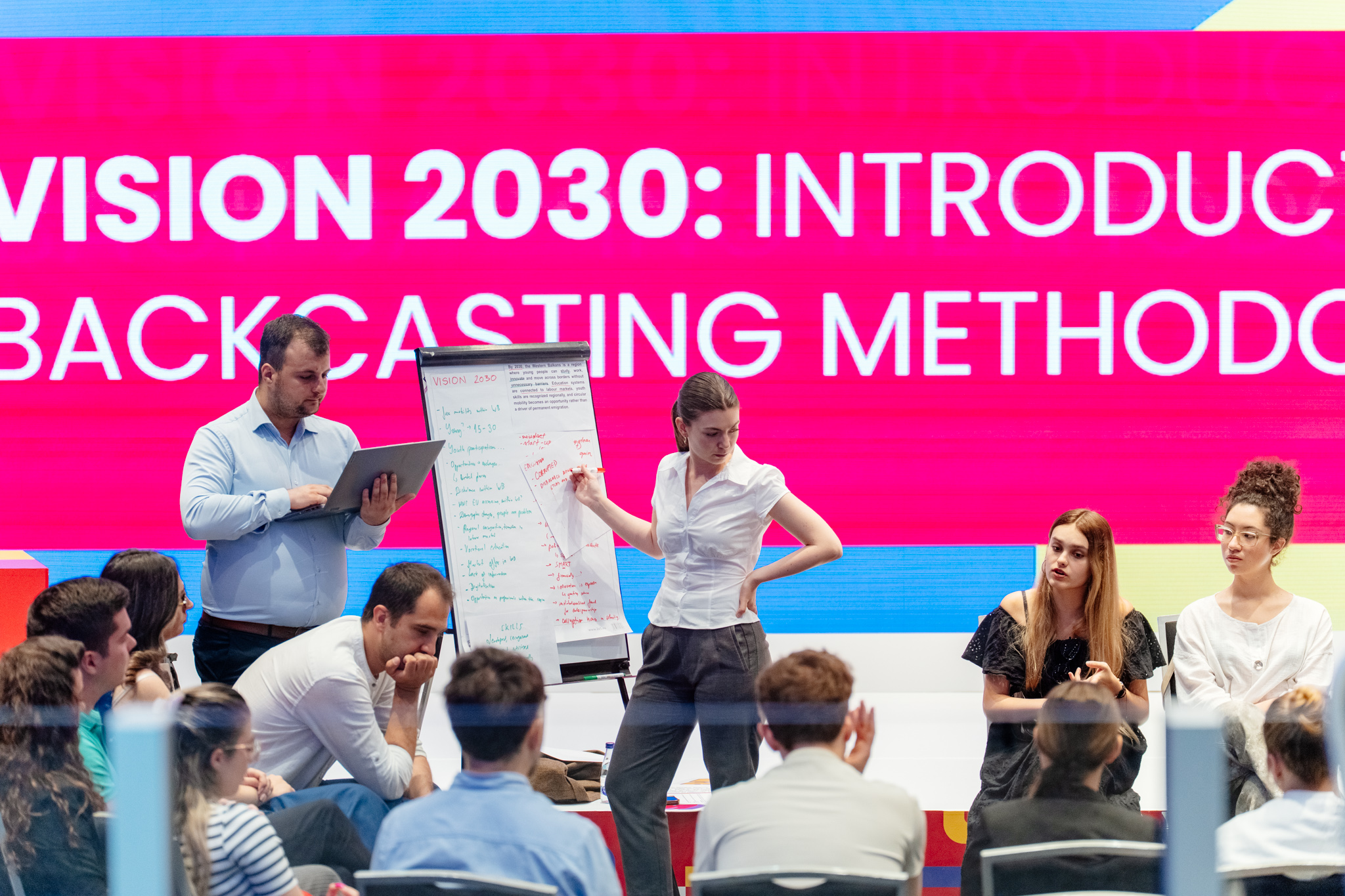
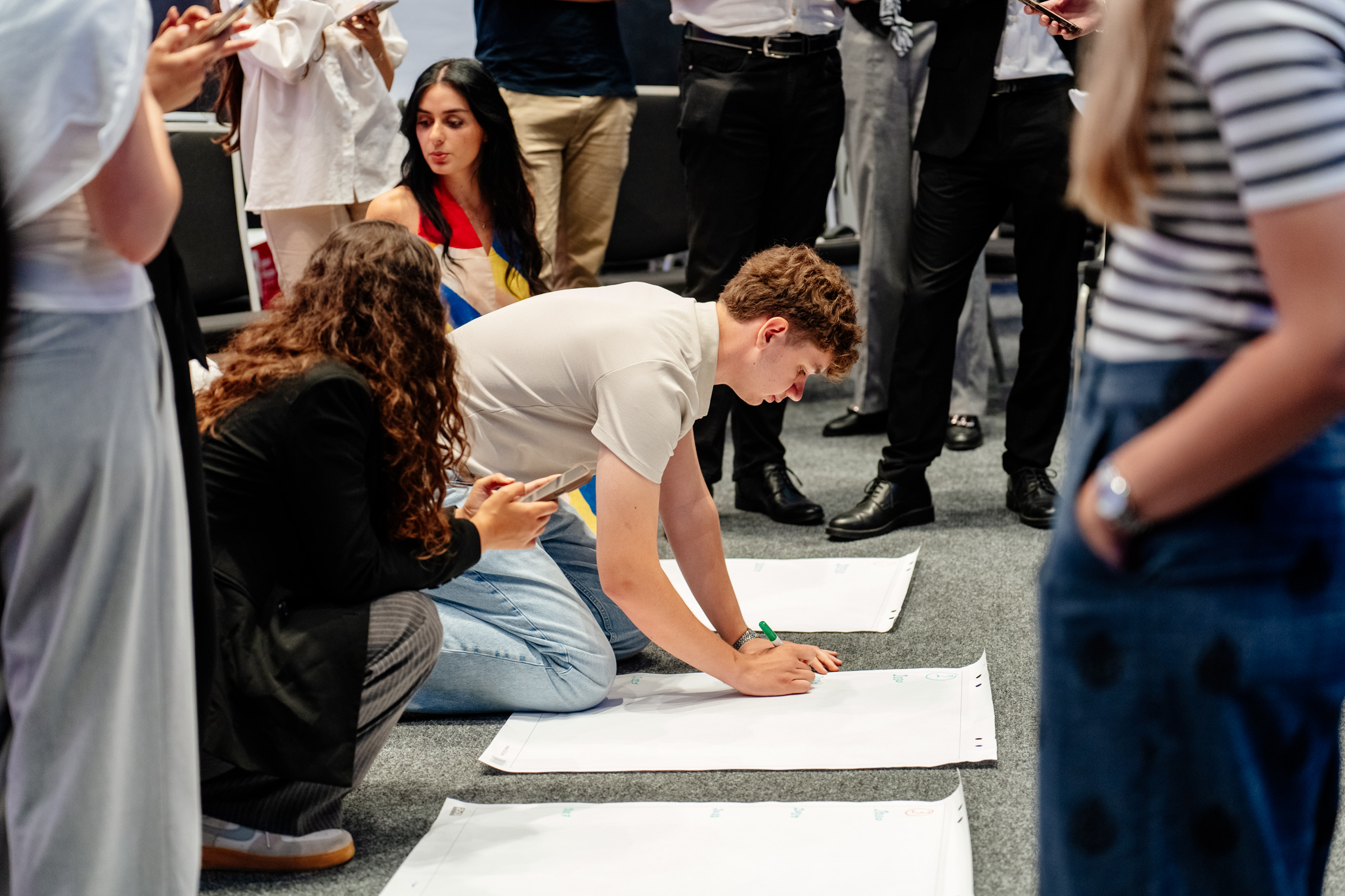
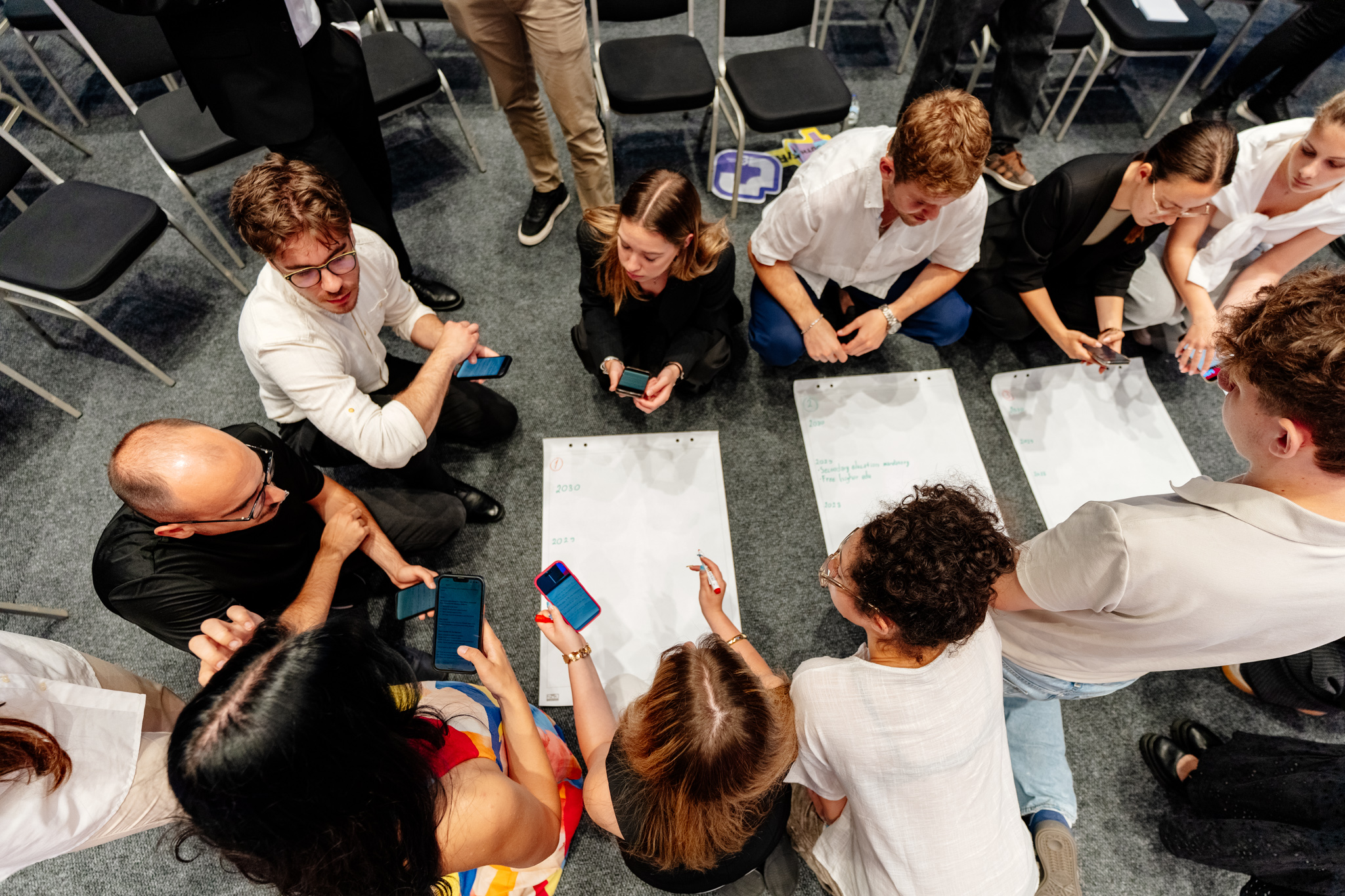
The recommendations were developed through a backcasting methodology, an approach that starts with a shared vision of the future and works backward to identify the steps needed to achieve it. Rather than creating recommendations from scratch, participants built on an extensive body of existing research, policy analyses, strategies, and previously developed recommendations.
The process began with a collective vision for 2030, in which young people in the Western Balkans are recognized as co-creators of regional cooperation and public policy, and where mobility, skills development, green transition, peace, security, and democratic participation are treated as interconnected priorities. Participants then worked backward from this desired future, identifying the strategic milestones, enabling conditions, and actions required along the way. These pathways were subsequently translated into concrete recommendations, ensuring that each proposal was evidence-based, future-oriented, and directly linked to achieving the shared vision for the region.
Within the recommendations on peace, security and inclusive societies, participants called for the establishment of a regional Youth, Peace and Security framework for the Western Balkans, stronger democratic institutions, greater youth participation in decision-making processes, and the introduction of civic and peace education, media literacy, and critical thinking into education systems across the region. Special emphasis was placed on supporting mental health programs, combating disinformation and hate speech, strengthening independent media, promoting regional youth exchanges, and creating safer and more inclusive societies for women, girls, and marginalized groups.
In the area of skills, opportunities and innovation, participants highlighted the need for greater financial support for innovation, young entrepreneurs, and researchers through European programs and regional policies. Particular emphasis was placed on creating programs that would encourage young people educated abroad to return to the region through grants, relocation support, startup incentives, and stronger professional opportunities in local communities.
Recommendations related to a green and sustainable region called for stronger investment in sustainable development, more accessible funding for green initiatives, and greater integration of environmental protection and sustainability topics into formal education programs.
Closing remarks were delivered by RYCO Deputy Secretary General Kreshnik Loka, who thanked participants, partners, and institutions for their support and contribution to the Forum. Reflecting on the discussions held throughout the Forum, Loka stressed the importance of meaningful youth participation and active citizenship.
“I strongly believe that the Forum is a great exercise for you to share your arguments, to think strategically, to unpack your ideas, and to find the mechanism on how to expand you influence circle, to get inspired for new causes and to empower your citizenship. I strongly believe that not everyone is born an activist, but everyone should be a citizen. Being informed, engaged, and willing to contribute to one’s community is something we can all do. I hope this Forum has inspired young people to identify the causes they care about and continue working to create positive change in the region,” said Loka.
Forum participant Isa Zuhrić from Bosnia and Herzegovina said that the Forum further strengthened his belief in the potential of young people in the region.
“After seeing the potential young people have, I am filled with hope and know that we can cooperate and work together to make the Western Balkans a more prosperous place. I think that is one of the key messages. Most importantly, young people are ready to lead and ready to say what we need, how we should cooperate, and through the examples of cooperation that we have among ourselves, we can show politicians in the region how to work together. Because we can cooperate, and we should cooperate,” Zuhrić said.
Forum participant Zorana Antovska from North Macedonia said that having the opportunity to meet and exchange experiences with young people from across the region was particularly valuable.
“The main thing we have all learned is that politicians in this region should not only work for young people, but with them. We are partners, not people standing on the other side. It is important that we feel like part of the team,” Antovska said.
Youth Skills, Innovation and Opportunities at the Centre of Discussions
Throughout the Forum, participants took part in panel discussions and interactive sessions dedicated to regional cooperation, youth mobility, skills development, peace and security, green transition, and meaningful youth participation in decision-making processes.
The second day of the Forum focused on youth skills, mobility, regional opportunities, peace, security, and resilient societies across generations. The program opened with remarks by Lars Westra, European Union Youth Delegate to the United Nations, who spoke about the importance of youth perspectives and regional cooperation.
The panel “Region in Motion: Youth Skills, Mobility and Regional Opportunities in the Western Balkans” brought together Matthias Herr, Regional Director of Helvetas, Darko Ivanović, founder of Digital Den Hub Montenegro, Darko Radičanin, Director of Junior Achievement Serbia, Arsilda Tepelija from Open Society Foundations, and Kornelija Cipuseva from SOS Children’s Villages International in North Macedonia. Discussions focused on strengthening youth skills, regional mobility, innovation, and creating new opportunities for young people in the Western Balkans.
The panel “Youth Leading Peace and Security – Building Resilient Societies Across Generations”, organized in cooperation with UNDP, brought together Caroline Tissot, United Nations Resident Coordinator in Montenegro, Andi Rabiaj from the Youth Voice Network of Organizations in Albania, Hristina Bozinovska, youth disability rights advocate from North Macedonia, Darko Stojanović from Montenegro’s Ministry of Sports and Youth, and Ognjen Marković from the Regional Cooperation Council (RCC). Participants discussed the role of young people in promoting peace, security, inclusion, and societal resilience, with a particular focus on intergenerational cooperation and youth participation in decision-making.
The role of young people in leading the green transition and contributing to a sustainable and stable region was the focus of a panel jointly organized by RYCO and Open Society Foundations Western Balkans. Participants included Adea Kondirolli from Open Society Foundations Western Balkans, Franceska Korance from EIT Community Albania, Emil Balavac, Minister of Trade, Tourism and Environmental Protection of Bosnia and Herzegovina, and Tijana Ljubenović from Young Researchers of Serbia.
During the discussion, participants emphasized that a just green transition in the Western Balkans is not only about shifting to renewable energy sources, but also about transforming economies, communities, and institutions in a socially just and sustainable manner.
On the third day of the Forum, a World Café session entitled “Strengthening Meaningful Youth Participation in Decision-Making”, organized in cooperation with the Westminster Foundation for Democracy, enabled participants to engage directly with parliamentarians, representatives of the RYCO Governing Board, and partner organizations in discussions about what the Western Balkans should look like for young people by 2030.
The Western Balkans Youth Forum 2026 opened on 4 June in Budva under the slogan “From Dialogue to Results: Youth Shaping Regional Cooperation”, carrying a clear message that young people must play an active role in shaping the future of the region.
The Forum was organized by the Regional Youth Cooperation Office (RYCO) in cooperation with the Government of Montenegro within the framework of Montenegro’s Chairmanship of the Berlin Process, with the support of Open Society Foundations, the Municipality of Budva, and The Badgers.