

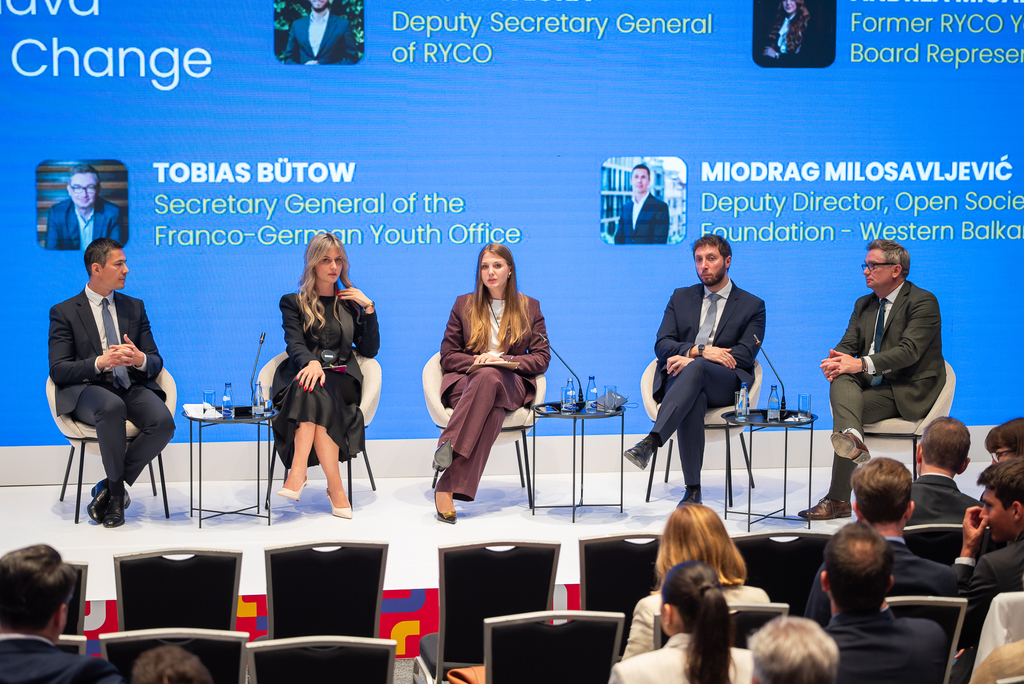
A more stable, connected, and prosperous Western Balkans cannot be built without young people, mutual trust, and regional cooperation — this was the key message of the opening panel of the Western Balkans Youth Forum 2026, “From Paris to Budva: A Decade of Youth, Dialogue and Change.”
Reflecting on the achievements of the past decade in strengthening youth cooperation across the region, speakers highlighted that the Regional Youth Cooperation Office (RYCO) has become one of the Western Balkans’ most important platforms for connecting young people, breaking down prejudices, and building lasting ties among societies.
Looking back on a decade of RYCO’s work across the Western Balkans, Deputy Secretary General of RYCO, Kreshnik Loka, spoke about the role youth exchanges have played in fostering trust, breaking down barriers, and bringing young people closer together across the region, emphasizing that the region looks different today precisely because of the young people who meet, build friendships, and connect.
 He noted that the world is not the same as it was ten years ago when RYCO was established, and that the region continues to face challenges and perceptions rooted in its recent past.
“The Western Balkans is often associated with fragmentation and division. We should not shy away from that reputation; instead, we should confront it and work together to change it,” Loka said.
Speaking about identity, he observed that many young people feel a strong connection to both their local and European identities, while a sense of regional belonging is often less pronounced.
“Identity is not something fixed. It evolves and changes. That is precisely why there is a significant opportunity for young people to develop a stronger sense of belonging to the region—so that the Balkans becomes associated with cooperation rather than division,” he said.
According to Loka, the greatest value of RYCO’s programs lies not only in the number of projects implemented or participants involved, but in the personal transformations they bring about.
“Before participating in exchange programs, around 60 percent of young people say they are open to friendships across the Western Balkans. After the exchange, that figure rises to 80 or even 90 percent. At the same time, the number of young people who hold strong prejudices toward other cultures and traditions decreases significantly,” he noted.
Loka added that many young people obtain their first passport specifically because of participation in RYCO programs, and that exchange experiences often inspire important conversations within families and communities.
“The most important change is the one young people recognize within themselves. Only when they experience change personally can they pass it on to others and become genuine advocates for it,” Loka concluded.
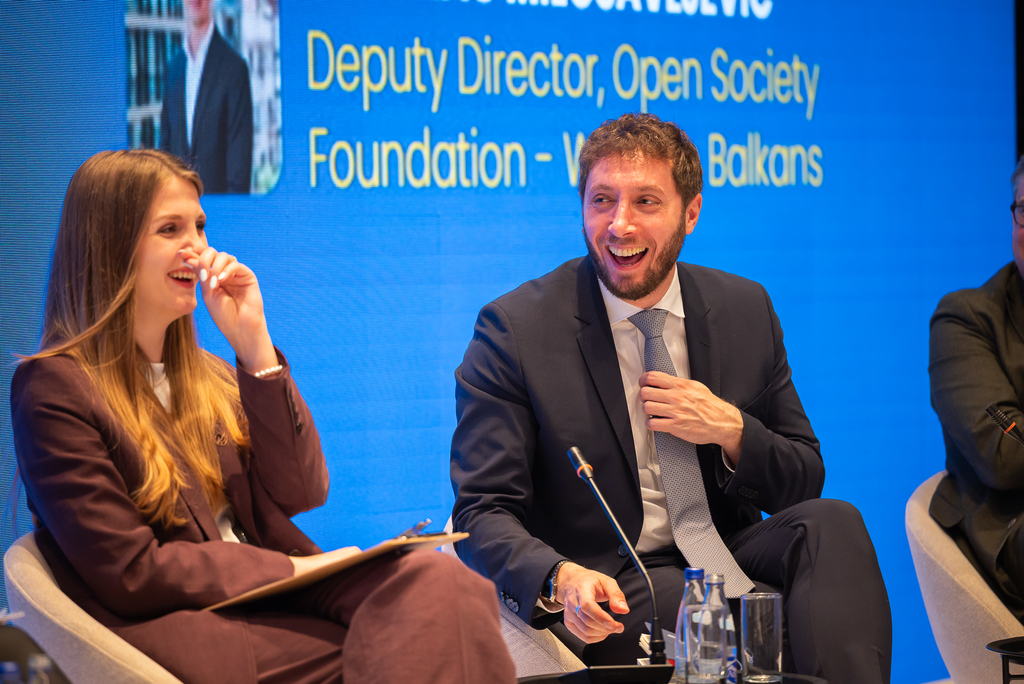
The panel was moderated by Bojana Lalatović, Program Coordinator at the RYCO Local Branch Office in Montenegro, and brought together representatives of youth organizations, international partners, institutions, and civil society to reflect on a decade of regional youth cooperation and discuss the opportunities and challenges ahead.
Miodrag Milosavljević, Deputy Director for the Western Balkans at the Open Society Foundations, said that while the region continues to face numerous challenges, the experience of youth cooperation and connectivity provides strong reasons for optimism about its future.
“This is not the first time the Western Balkans has faced complex circumstances and periods of change. However, the experience we have gained, together with the energy and commitment of young people across the region, gives us every reason to believe that the region has a promising future,” Milosavljević said.
 Speaking about the work of the Open Society Foundations, he emphasized that education, youth, and trust-building have remained at the core of the organization’s mission for decades.
“From the very beginning, building trust and supporting young people have been among our key priorities. Over time, the understanding of what an open society means has evolved—from supporting democracy, the rule of law, and human rights, to promoting transparency, institutional accountability, the inclusion of minority groups, and addressing the challenges of the digital age.”
According to Milosavljević, digital transformation has created new opportunities for civic participation and the exchange of ideas, while also bringing new challenges, including disinformation, information manipulation, algorithmic misuse, and threats to privacy.
He noted that the Foundation is increasingly focusing its efforts on digital transformation, support for reforms, and alignment with European standards in this field.
“Despite all the changes our societies have undergone over the past 35 years, young people and trust-building have remained at the center of our work. These are values we consider fundamental to the development of open, democratic, and prosperous societies,” he concluded.
Andrea Mićanović, former Youth Representative on the RYCO Governing Board, spoke about the concept of meaningful youth participation, stressing that it cannot be reduced to merely giving young people an opportunity to voice their opinions.
“As someone who works with university students, I reflect every day on what meaningful participation truly means. Students do not actively participate simply because I invite them to speak and then continue the lecture according to a predetermined plan. Meaningful participation exists when we allow them to influence the direction of the discussion and shape its outcomes,” Mićanović said.
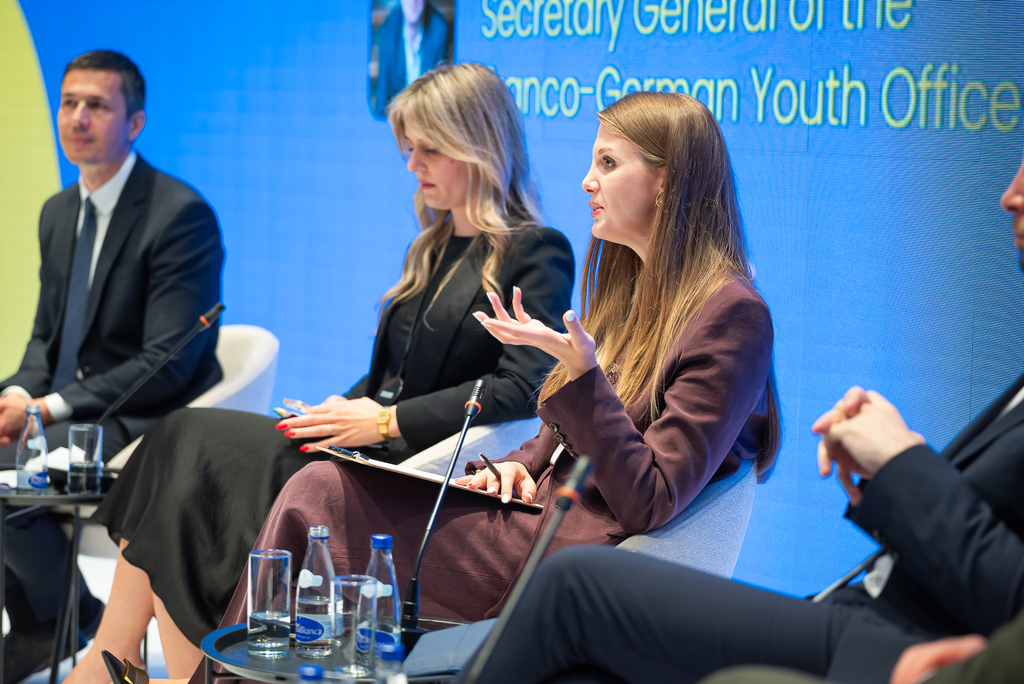 She noted that her experience on the RYCO Governing Board taught her that young people should not only be invited to speak, but also trusted and empowered to influence decision-making processes.
Speaking about the structure of the Governing Board, Mićanović recalled that it consists of twelve members—six government representatives and six youth representatives from the six Western Balkan societies—who represent the interests, needs, and voices of young people across the region.
“What makes this model unique is the fact that government representatives and youth representatives have equal voting rights. Young people are not merely invited to sit at the same table—they have the power to influence decisions and their outcomes,” she said.
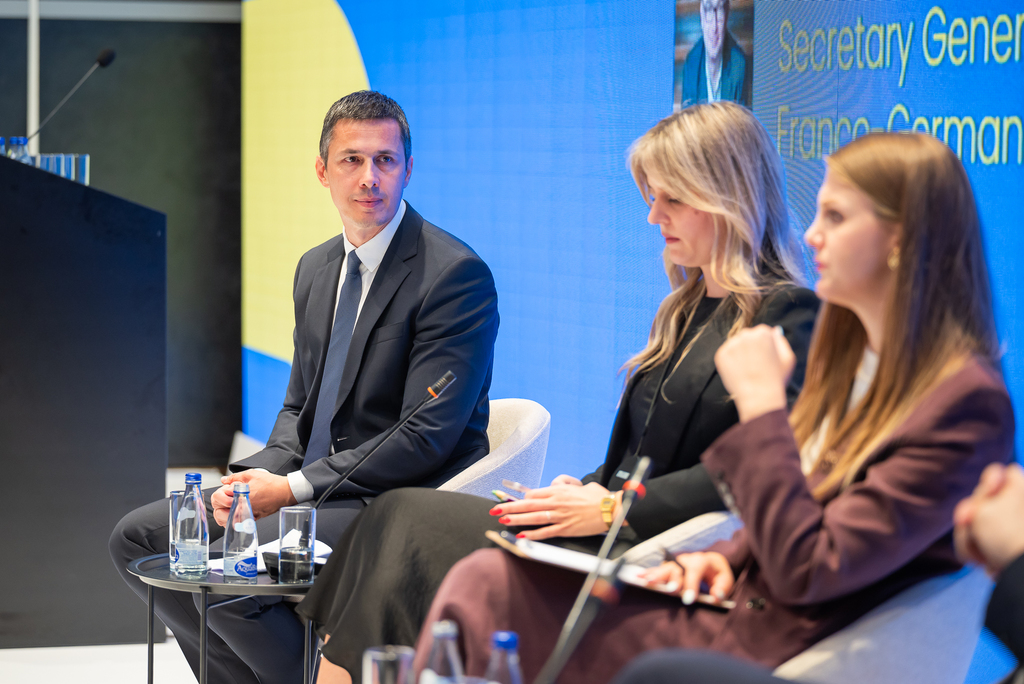
Tobias Bütow, Secretary General of the Franco-German Youth Office, said that one of the most significant moments in the history of his organization was its involvement in the establishment of RYCO and its support to young people and governments across the Western Balkans in creating the regional organization.
He described RYCO as a political success story, considering the region’s history and the fact that Western Balkan societies managed to create a joint institution dedicated to youth cooperation.
“As a historian, I can say that it was far from certain that, after the wars of the 1990s and the divisions that existed, the idea of bringing young people together would receive governmental support and evolve into such a developed organization with a unique governance model,” Bütow said.
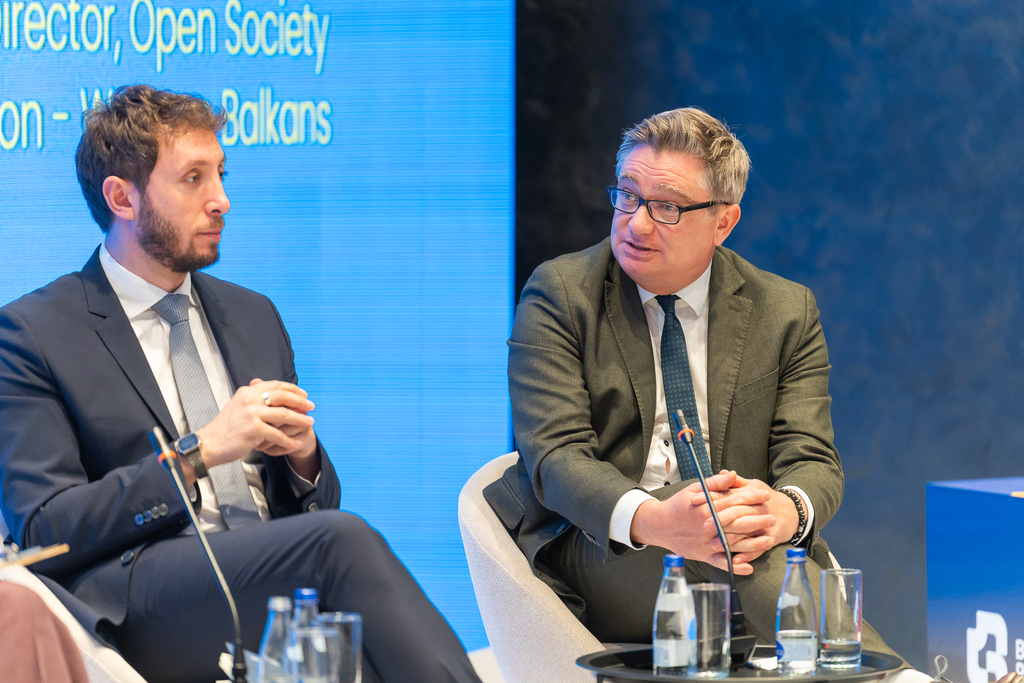 He recalled that France and Germany fought numerous wars over more than four centuries, including two world wars, yet were still able to connect more than ten million young people and build lasting networks of trust between the two countries.
Bütow emphasized that both the Franco-German Youth Office and RYCO share the same core mission: bringing young people together, fostering connections, and creating spaces for trust and cooperation.
He welcomed the establishment of the new Trust Fund and expressed hope that RYCO would continue to grow and evolve, supported by young people who remain the driving force behind regional cooperation and trust-building across the Western Balkans.