OBILIQ – Young people from different communities in Obiliq came together through the project “Neighbourhood Narratives: Youth Stories for Social Cohesion”, an initiative implemented by the Youth Center Obiliq with the support of the Embassy of Switzerland in Pristina through the Small Action Funds, RYCO Local Branch Office and Municipality of Obiliq.
Through community mapping, storytelling, interactive workshops, and dialogue, the initiative created opportunities for young people to explore their shared environment, challenge stereotypes, and strengthen mutual understanding. By placing youth experiences and perspectives at the centre of its activities, the project sought to demonstrate how everyday interactions and shared public spaces can contribute to building more inclusive communities.
The activities began on 12 August 2026, International Youth Day, with “Spaces That Bring Us Together”. Through a participatory community mapping exercise, young people from different backgrounds were invited to identify public spaces that connect communities, reflect on shared memories, and explore how familiar places can become meeting points for dialogue and cooperation.
Building on this initial engagement, the project continued with five thematic workshops held between 15 and 21 September 2026. The sessions brought together young people from different communities to explore identity and belonging, stereotypes and prejudice, shared public spaces and community memory, storytelling, and community mapping.
Using non-formal education methods, participants engaged in individual reflection, group discussions, practical exercises, and collaborative activities. They explored the different layers of personal and collective identity, questioned assumptions about others, and reflected on the importance of inclusion and mutual respect in their everyday lives.
One of the central exercises, “Ideal Community/Ideal School”, encouraged participants to identify challenges in their neighbourhoods and schools and propose practical solutions. Their ideas included stronger youth participation, improved educational opportunities, cultural and sports activities, volunteering, environmental initiatives, and more accessible mechanisms for young people to contribute to decisions affecting their communities.
The workshops also introduced storytelling and interviewing techniques, preparing participants to document local experiences and community memories through respectful dialogue and active listening.
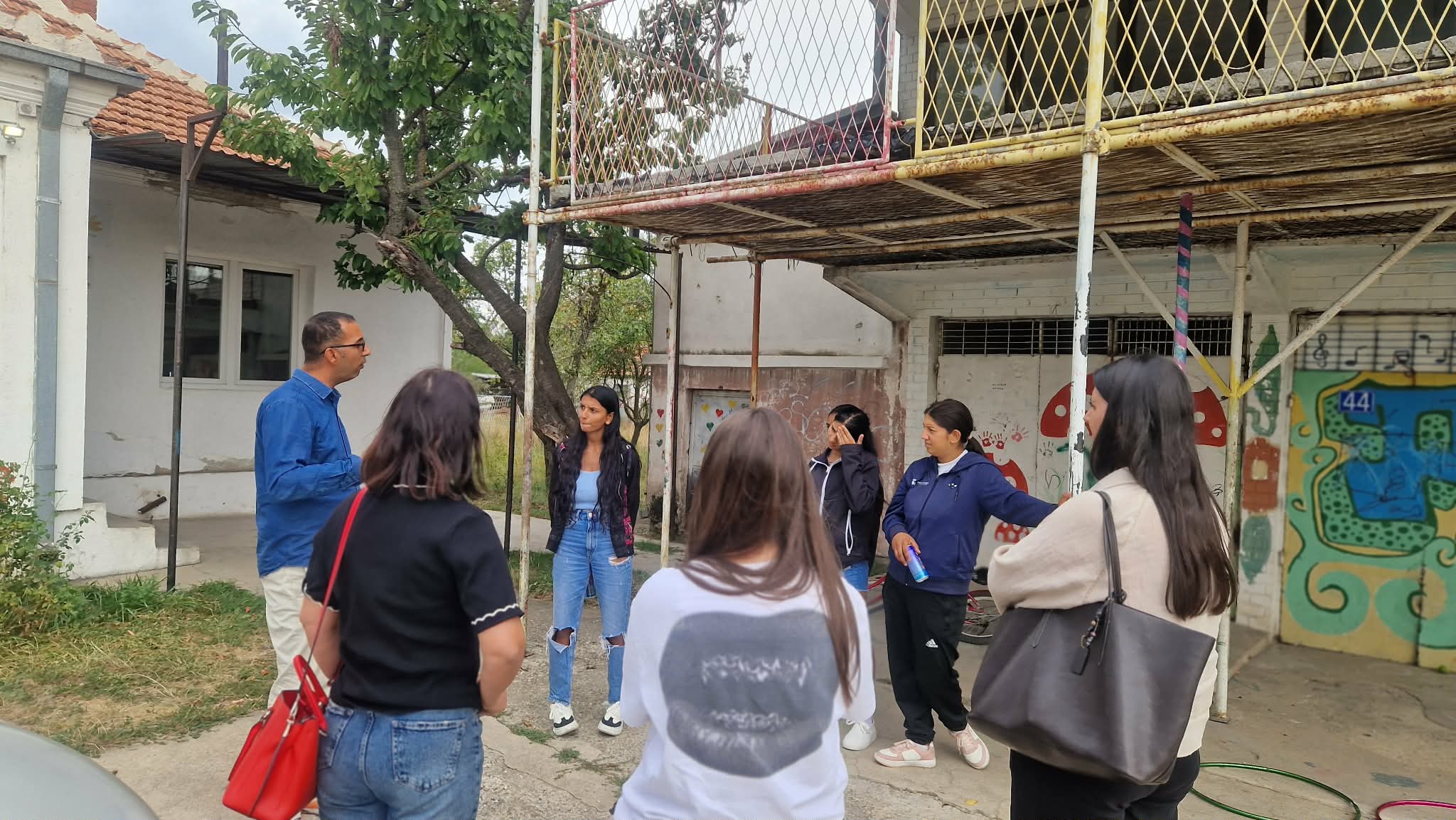
The final session moved beyond the training room, with participants taking part in community mapping and field exploration in Obiliq and Plemetin. Working in teams, they explored public spaces, documented places of local significance, and reflected on how different individuals and communities experience the same environment.
This practical approach allowed participants to connect broader concepts such as social cohesion, belonging, and intercultural understanding with familiar places and everyday experiences.
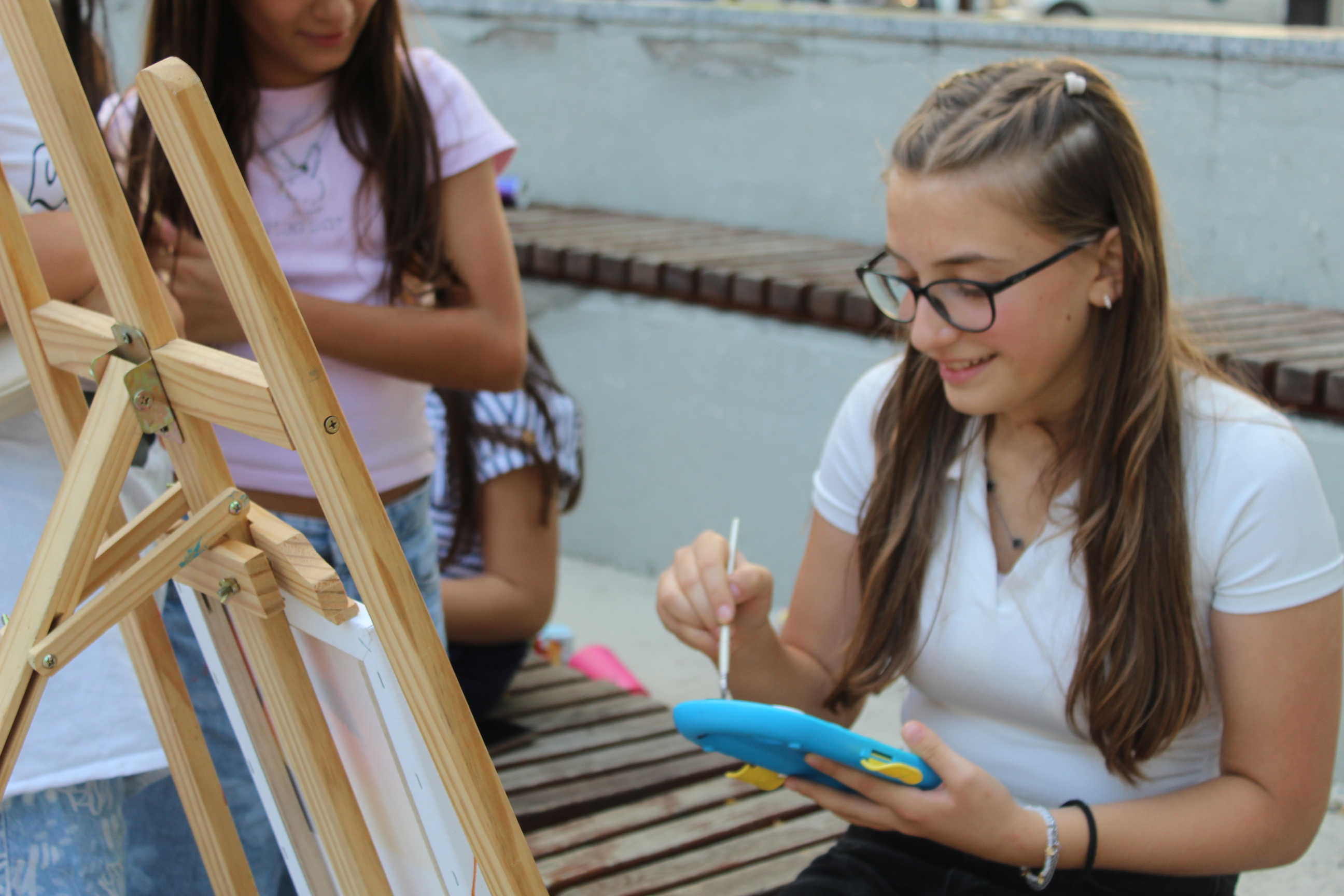
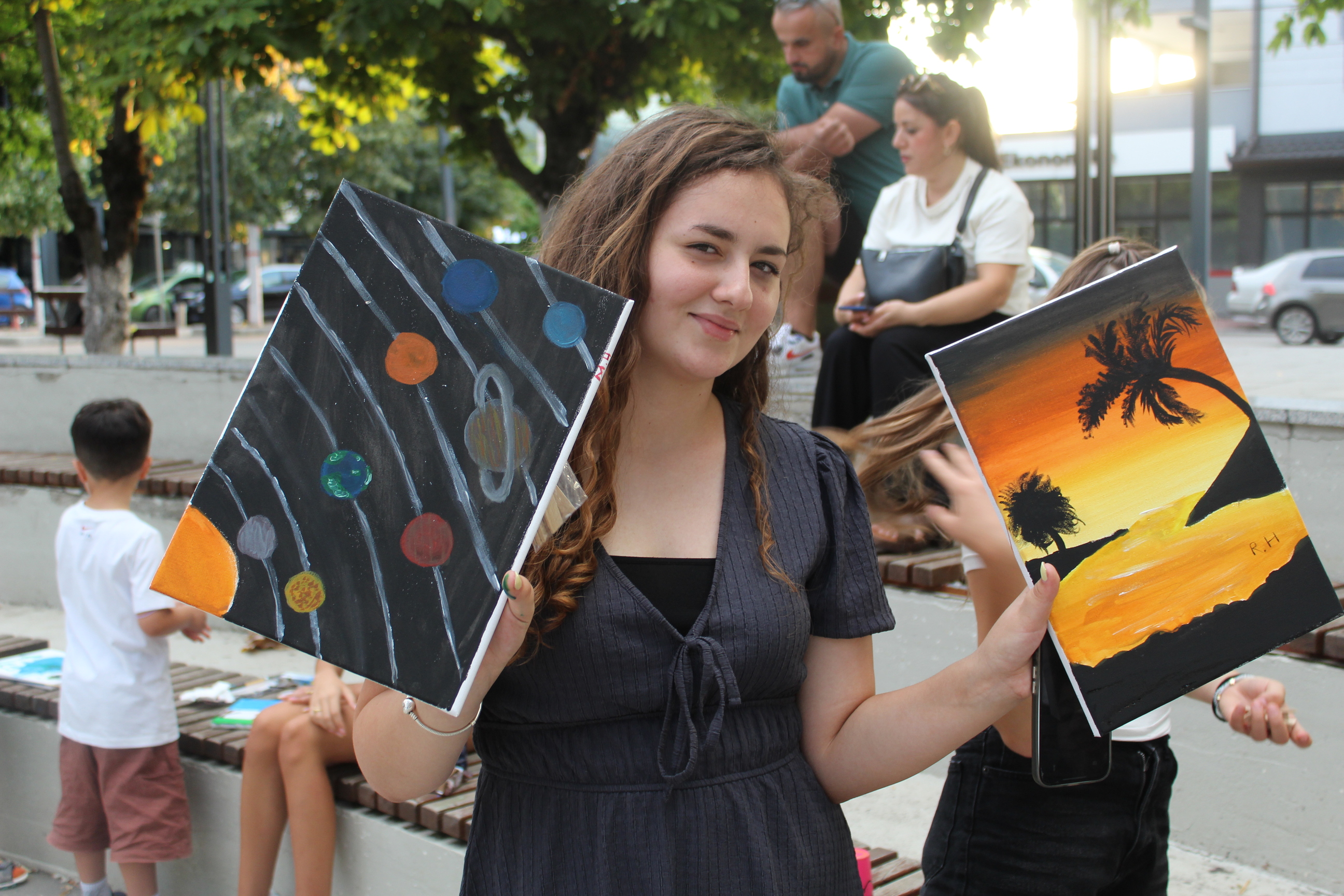
The initiative’s final public activity, “Public Exhibition and Discussion”, was held on 6 October in Obiliq. The exhibition aimed to bring the young participants’ work and collected narratives to the wider community, creating space for moderated discussion on coexistence, shared community life, and youth engagement.
Beyond the individual activities, Neighbourhood Narratives highlighted the importance of creating opportunities for young people from different backgrounds to meet, exchange perspectives, and work towards common goals. The initiative showed how local youth-led activities can contribute to challenging divisions, strengthening community connections, and encouraging a greater sense of shared belonging.
For RYCO, supporting initiatives of this kind reflects its commitment to fostering reconciliation, intercultural dialogue, and cooperation among young people. By encouraging meaningful interaction at the local level, such projects contribute to building trust and creating more inclusive communities in which young people can actively shape their shared future.