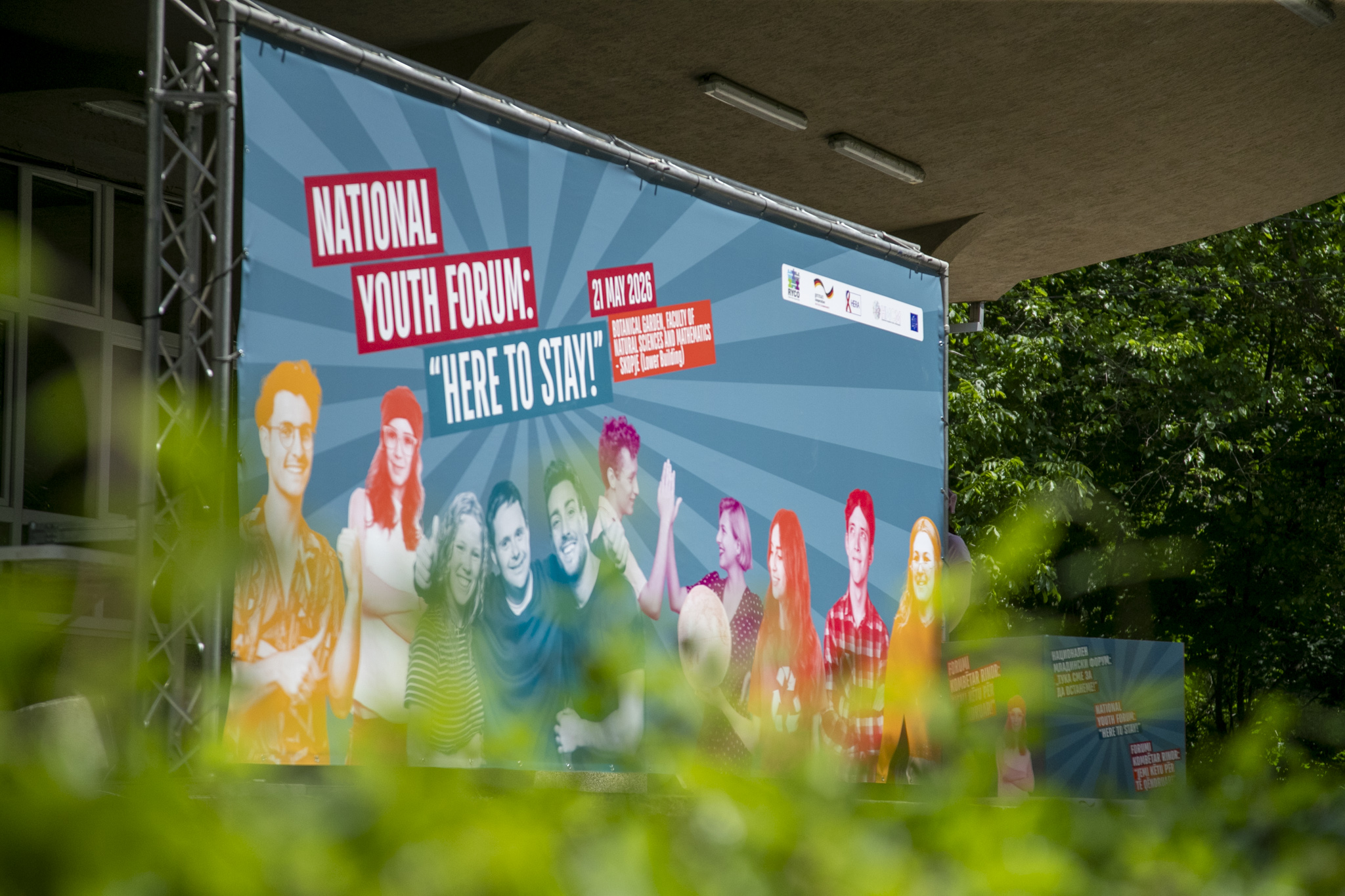
As one of the grantees supported through RYCO’s RYCOgnizing YPS program, funded by the German Development Cooperation, HERA is implementing the project “Youth Connect: Building Inclusive Participation Through Local Partnerships.” The project is carried out in partnership with the Youth Council of Macedonia and in cooperation with the Ministry of Social Policy, Demography and Youth, aiming to strengthen inclusive youth participation and local partnerships.
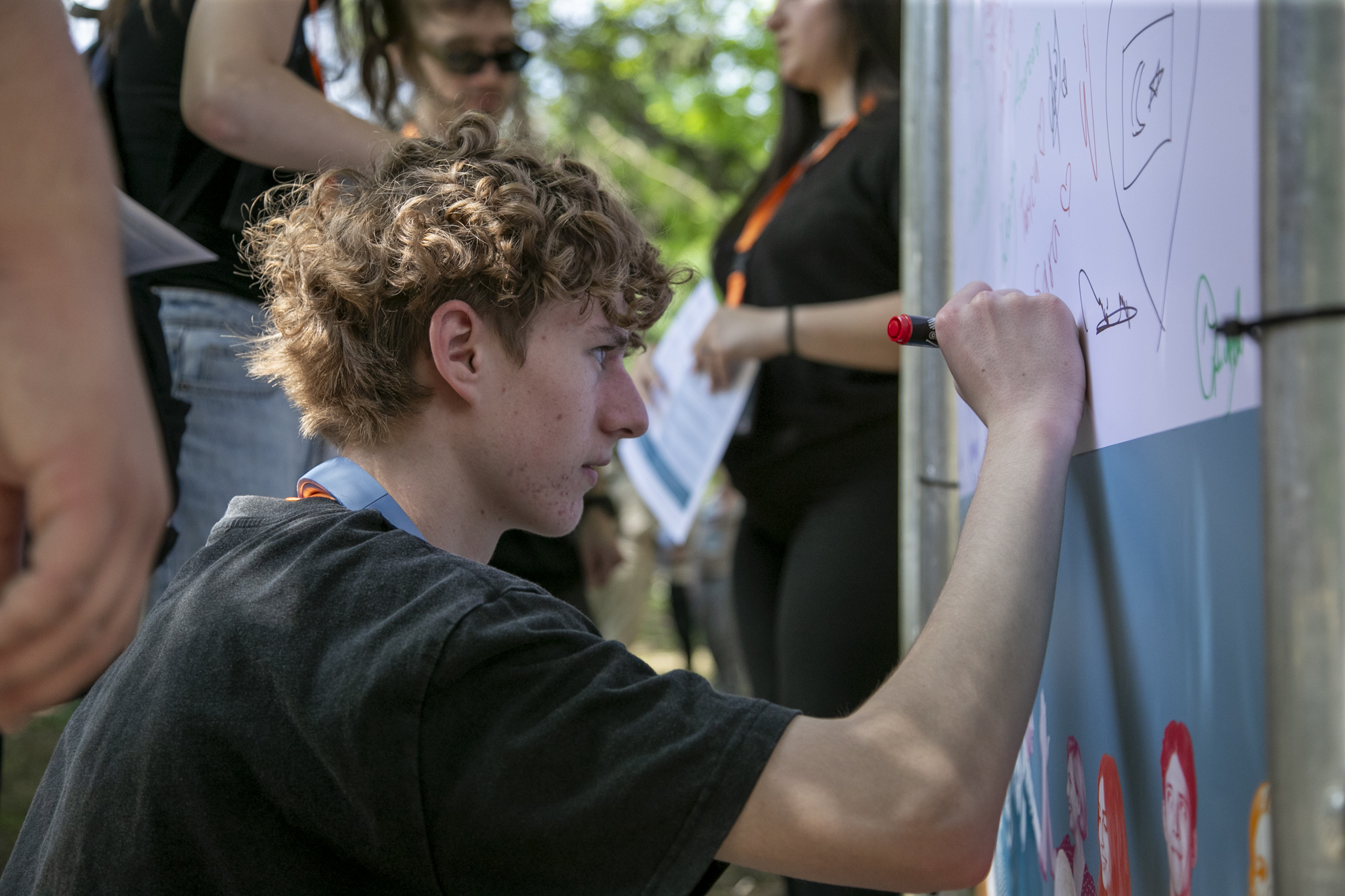
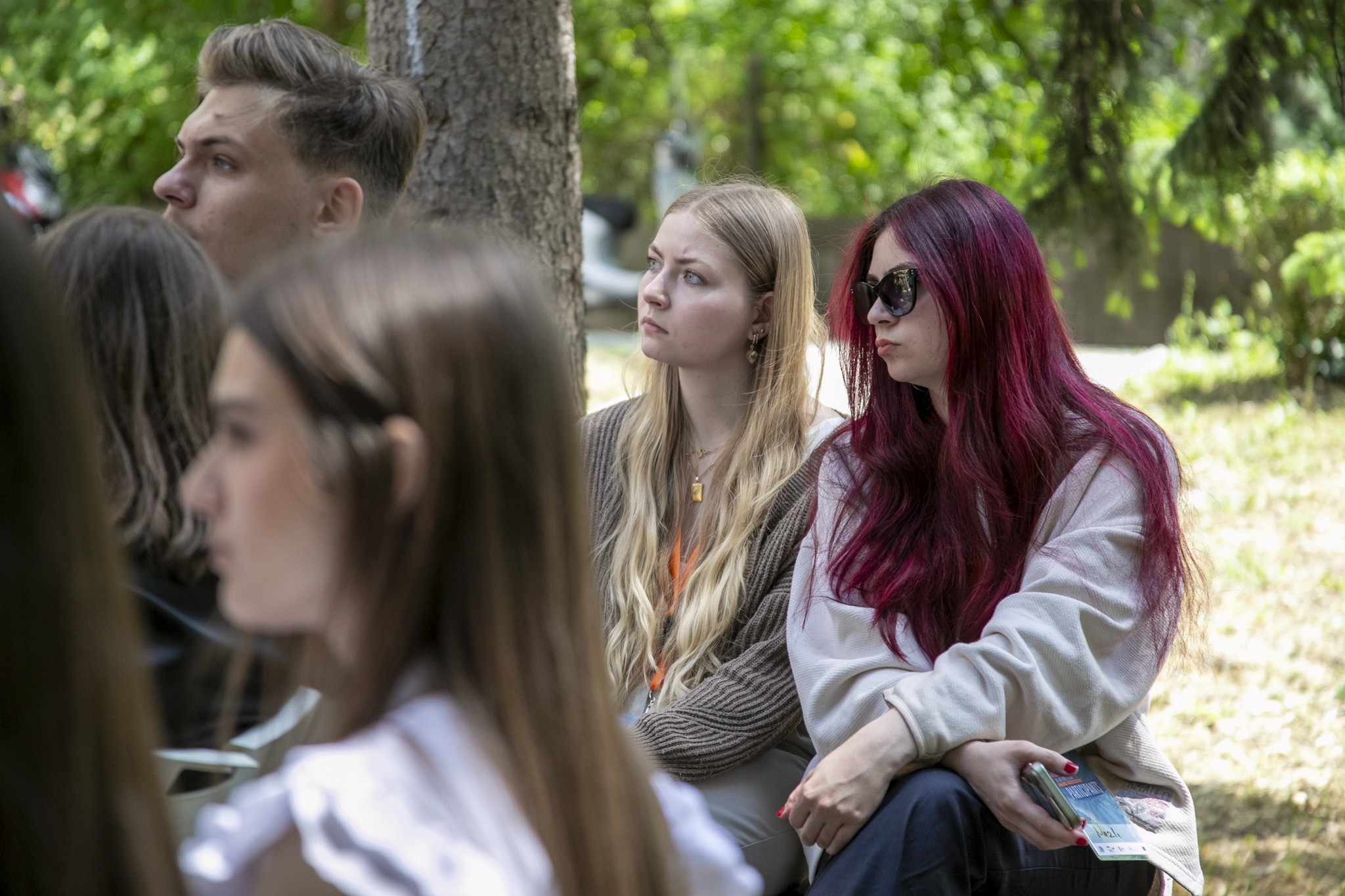
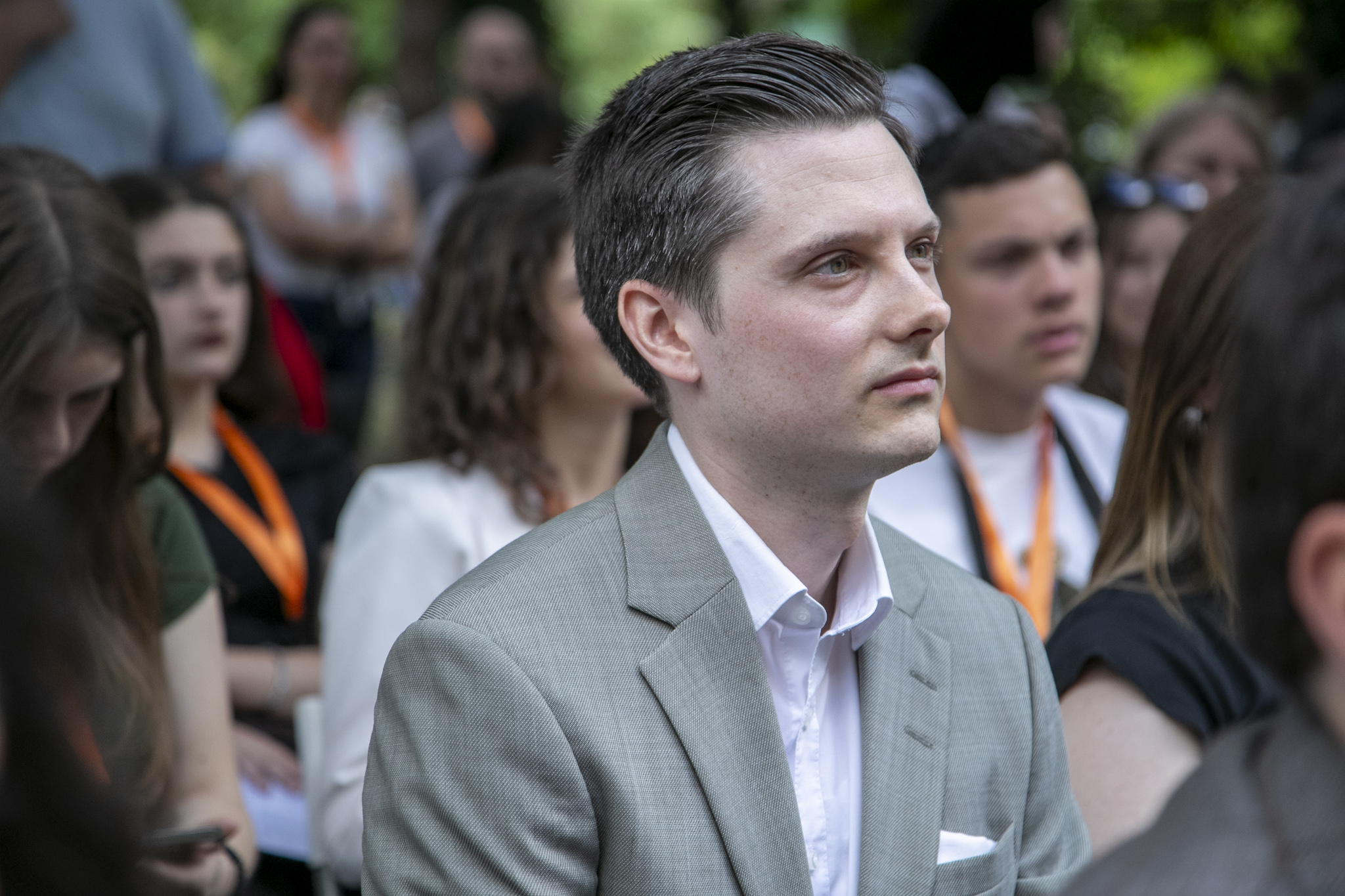
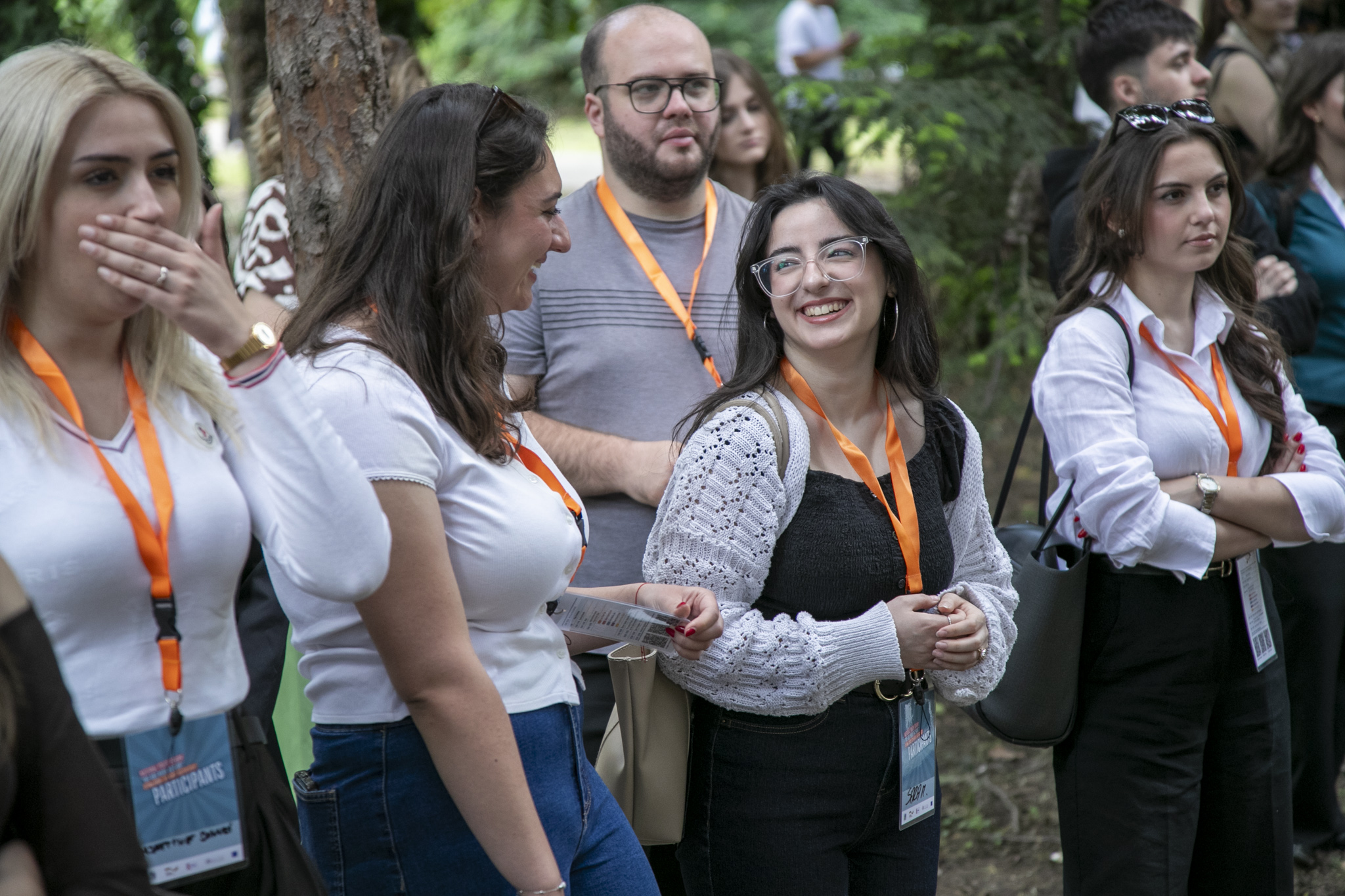
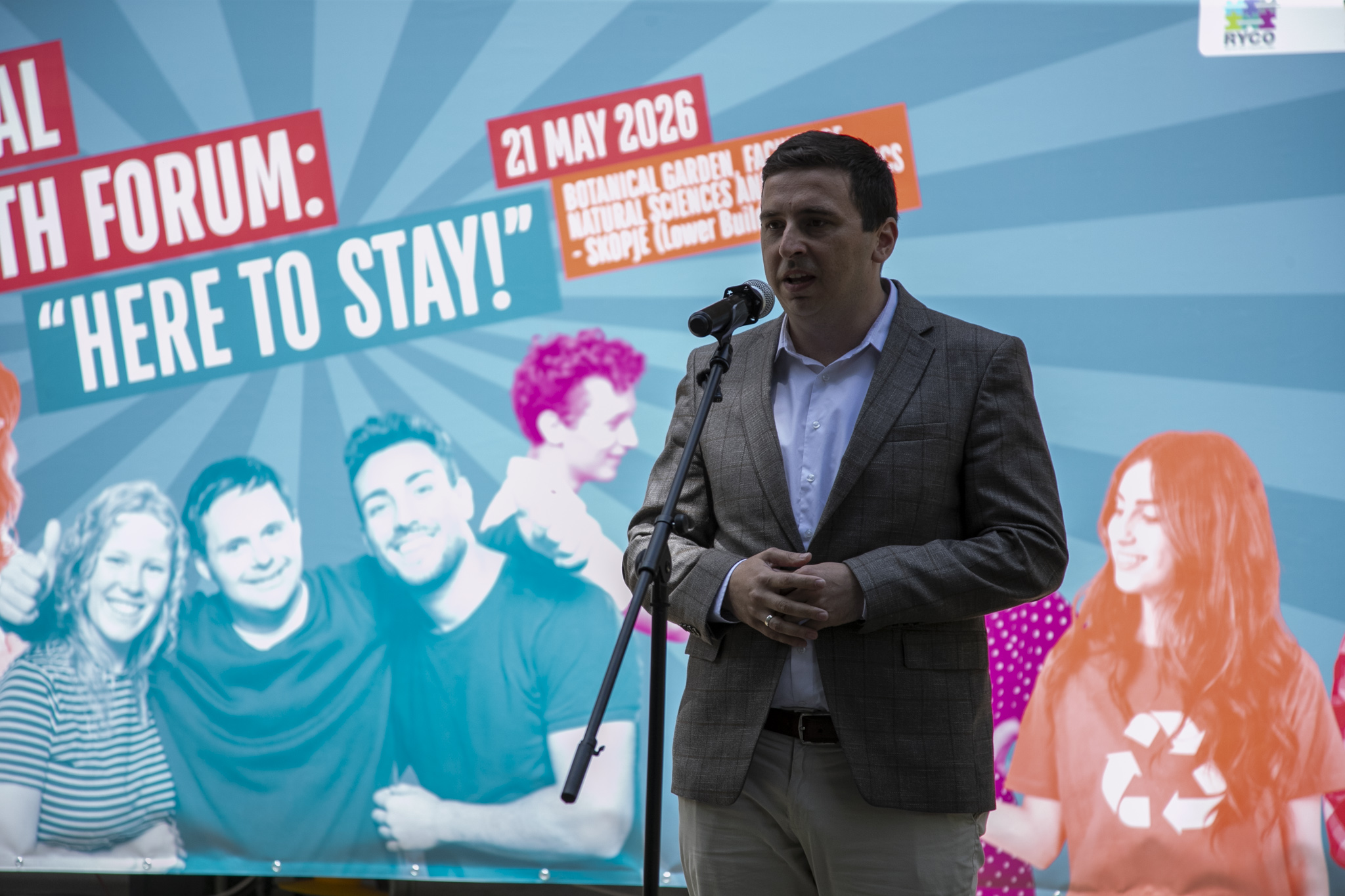
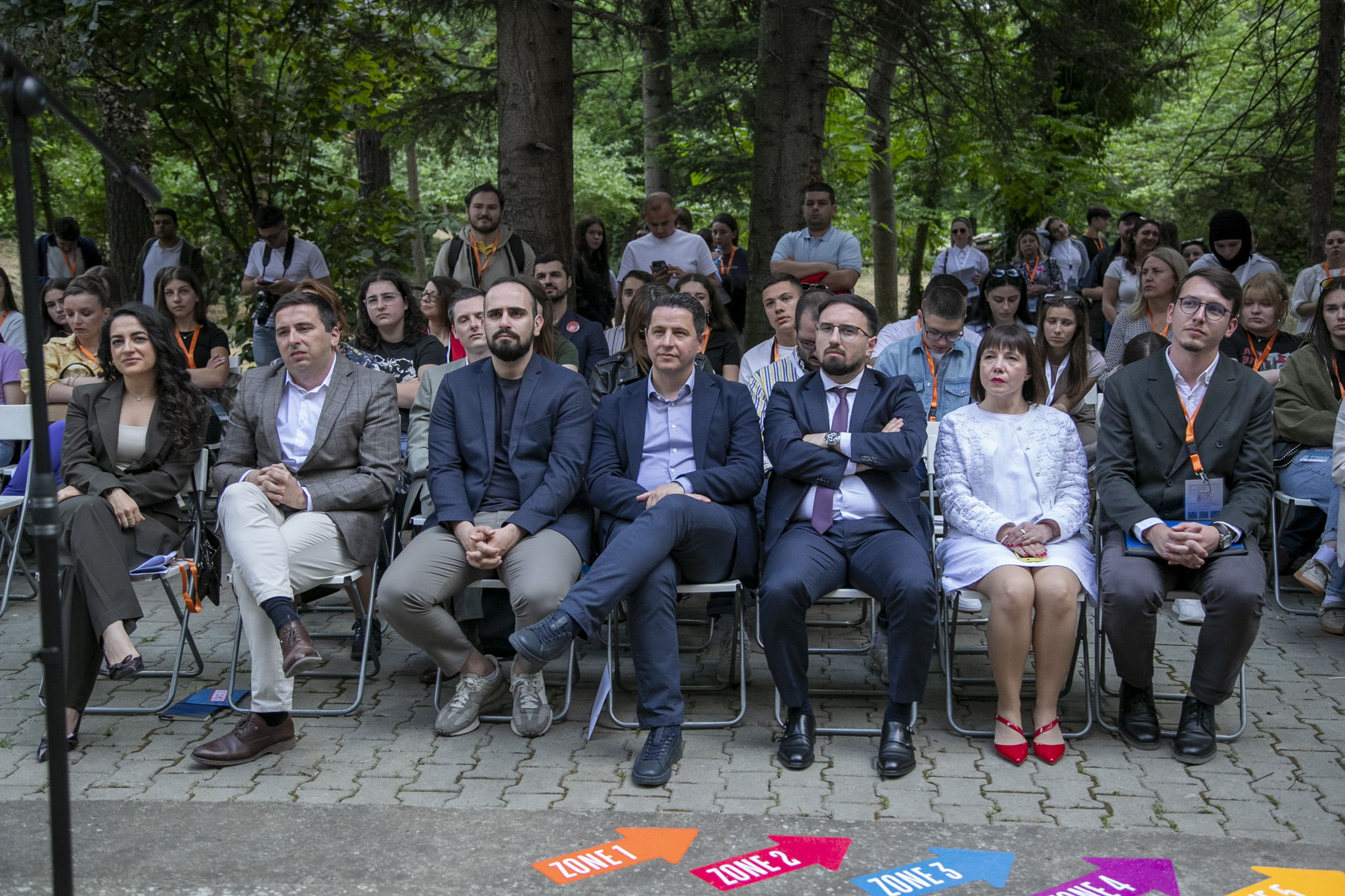
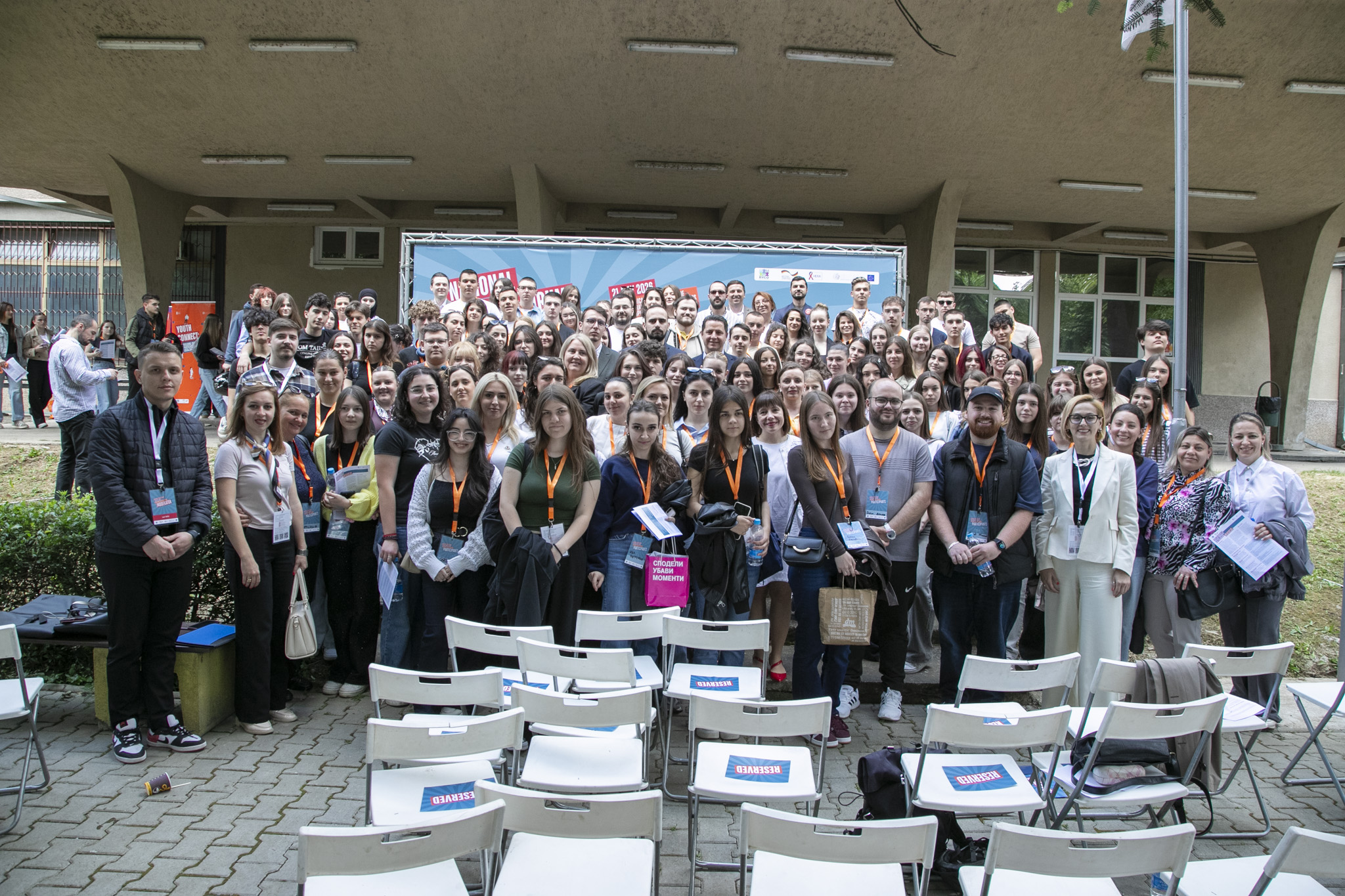
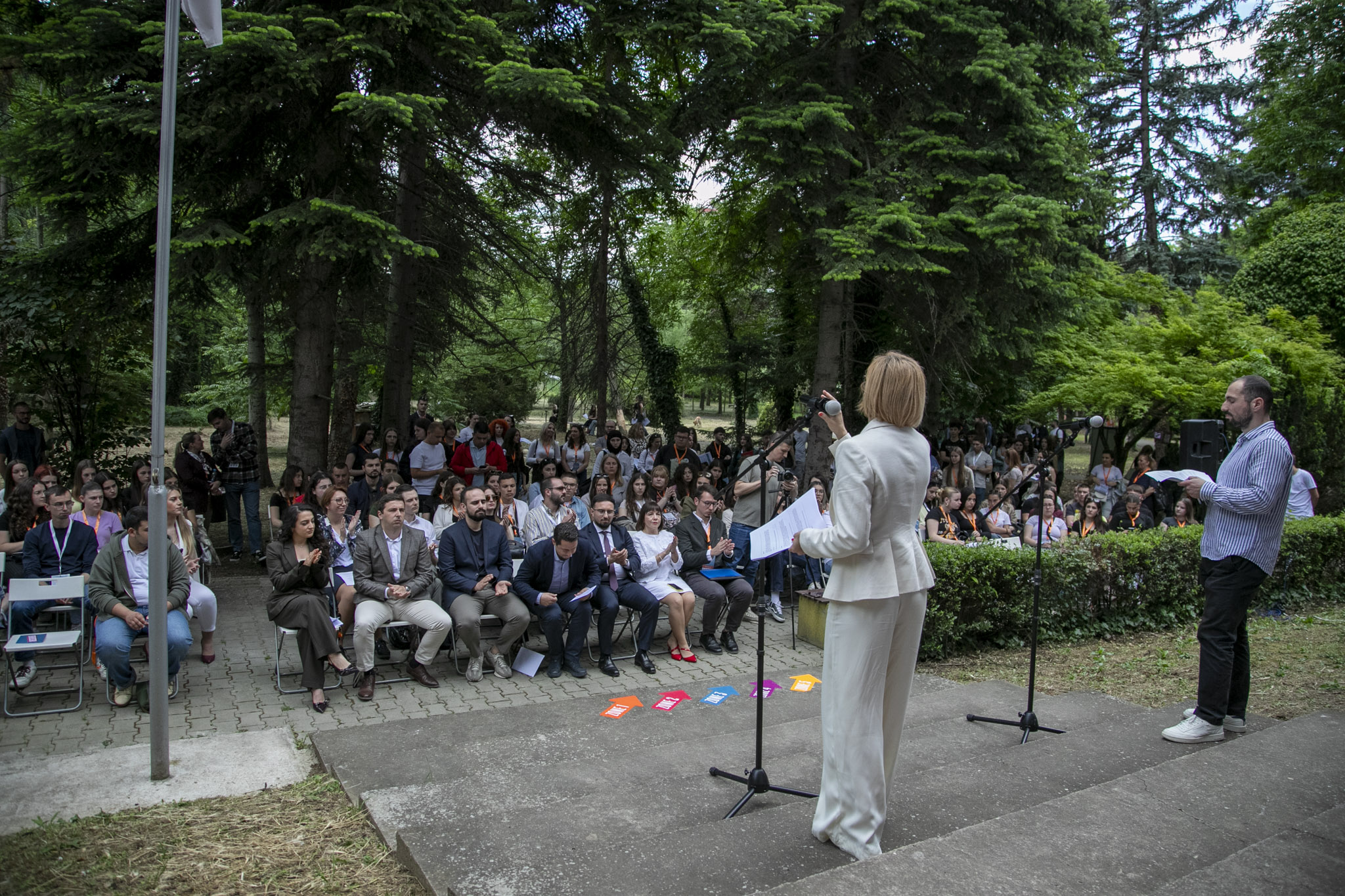
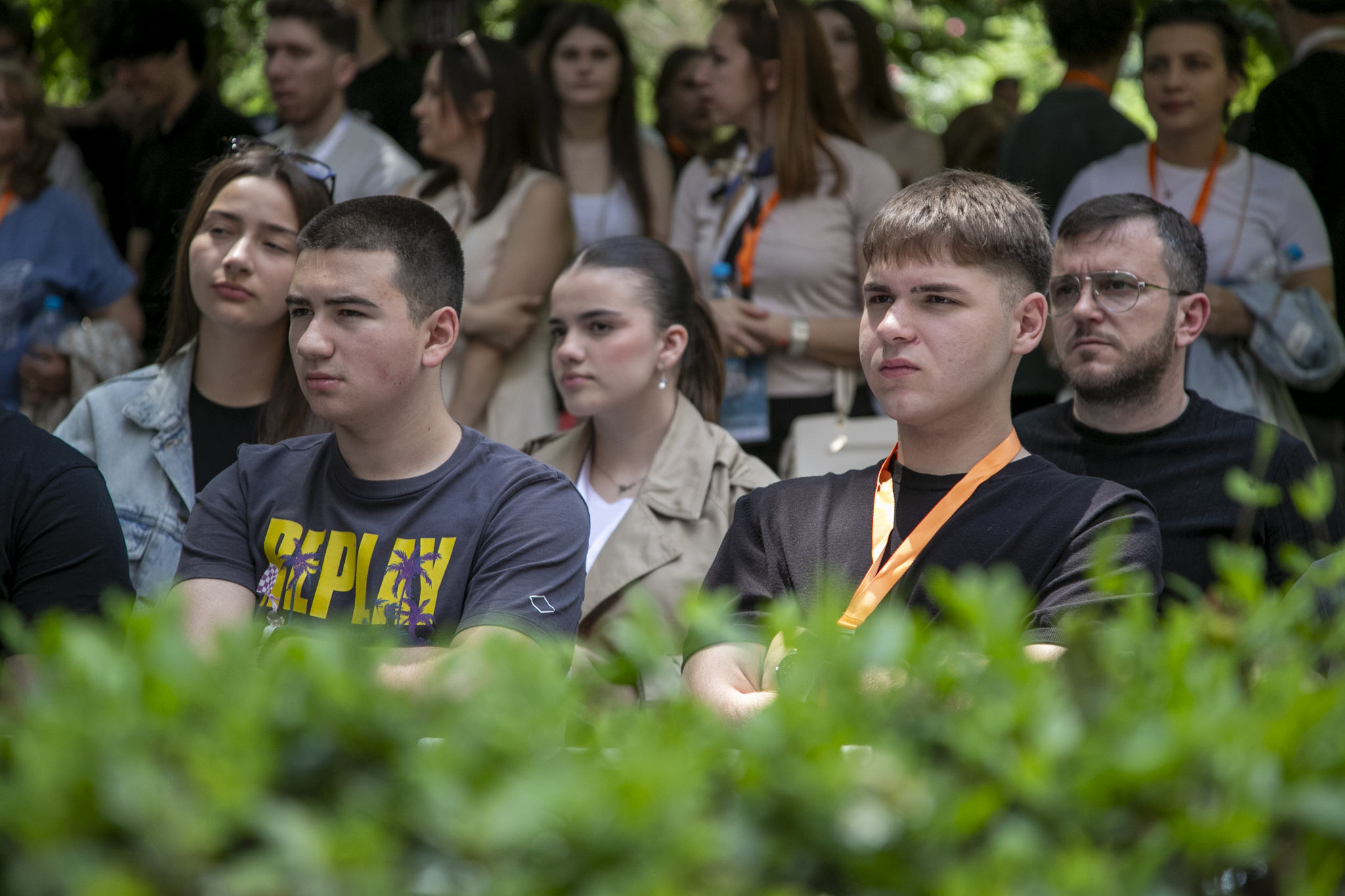
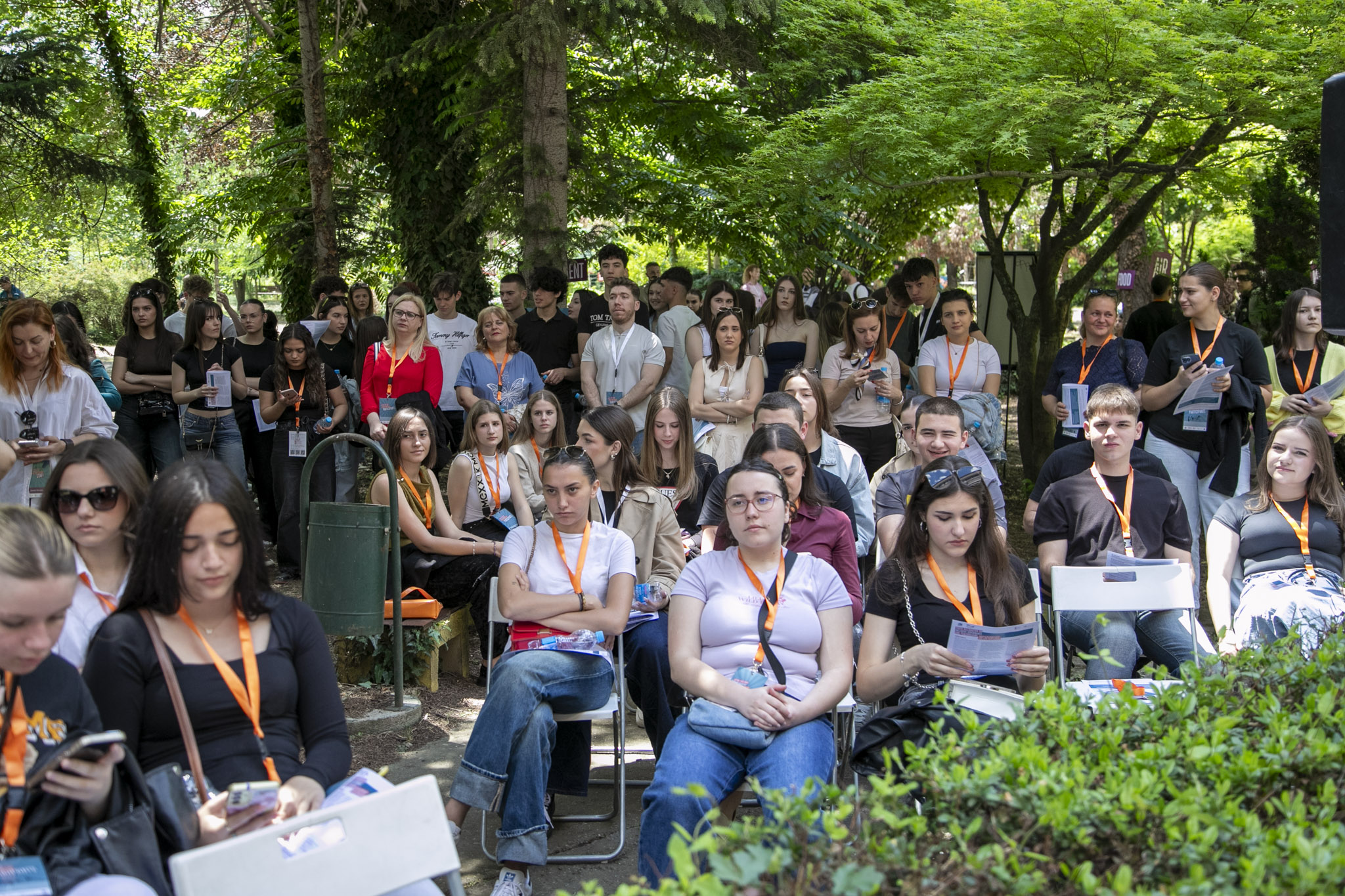
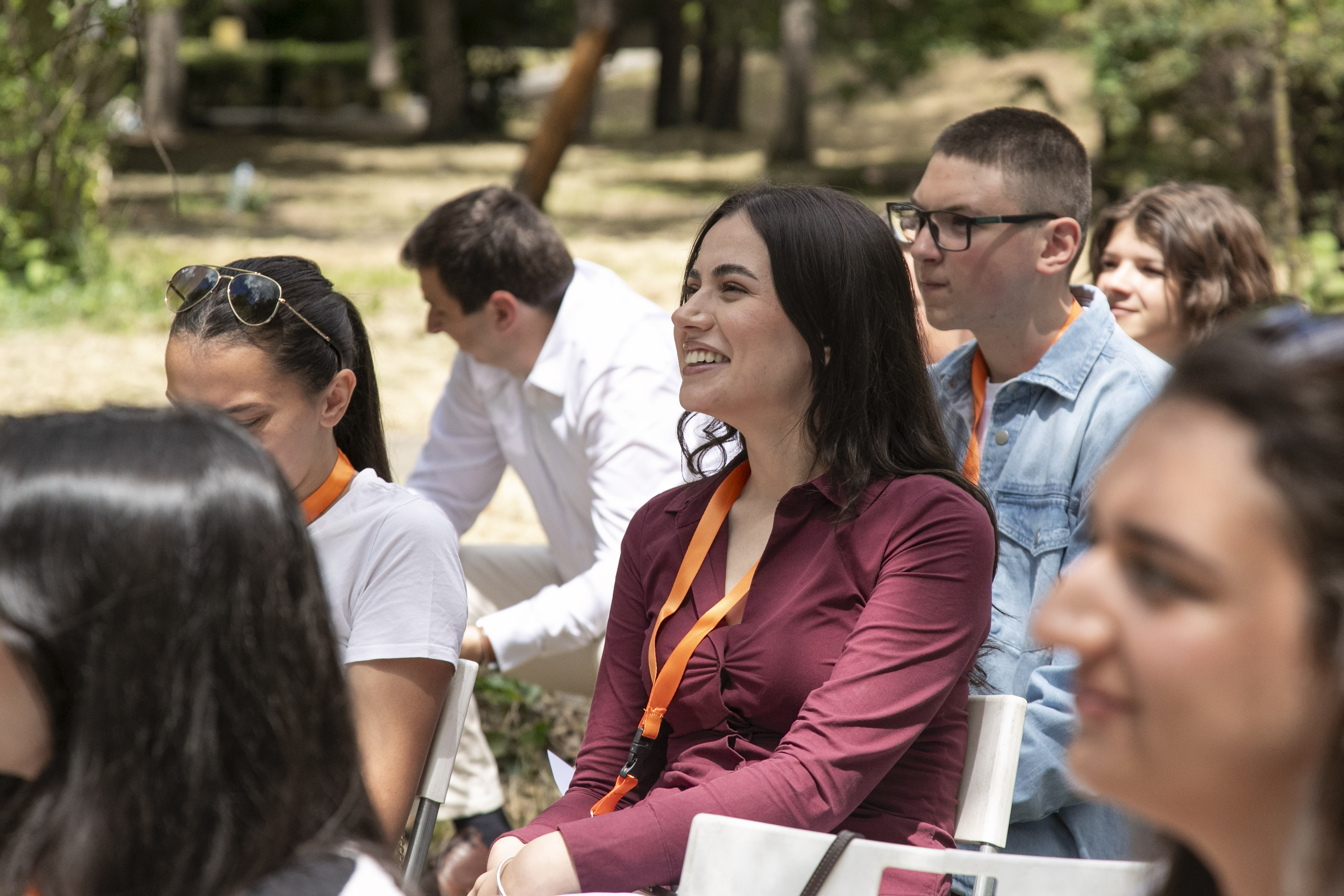
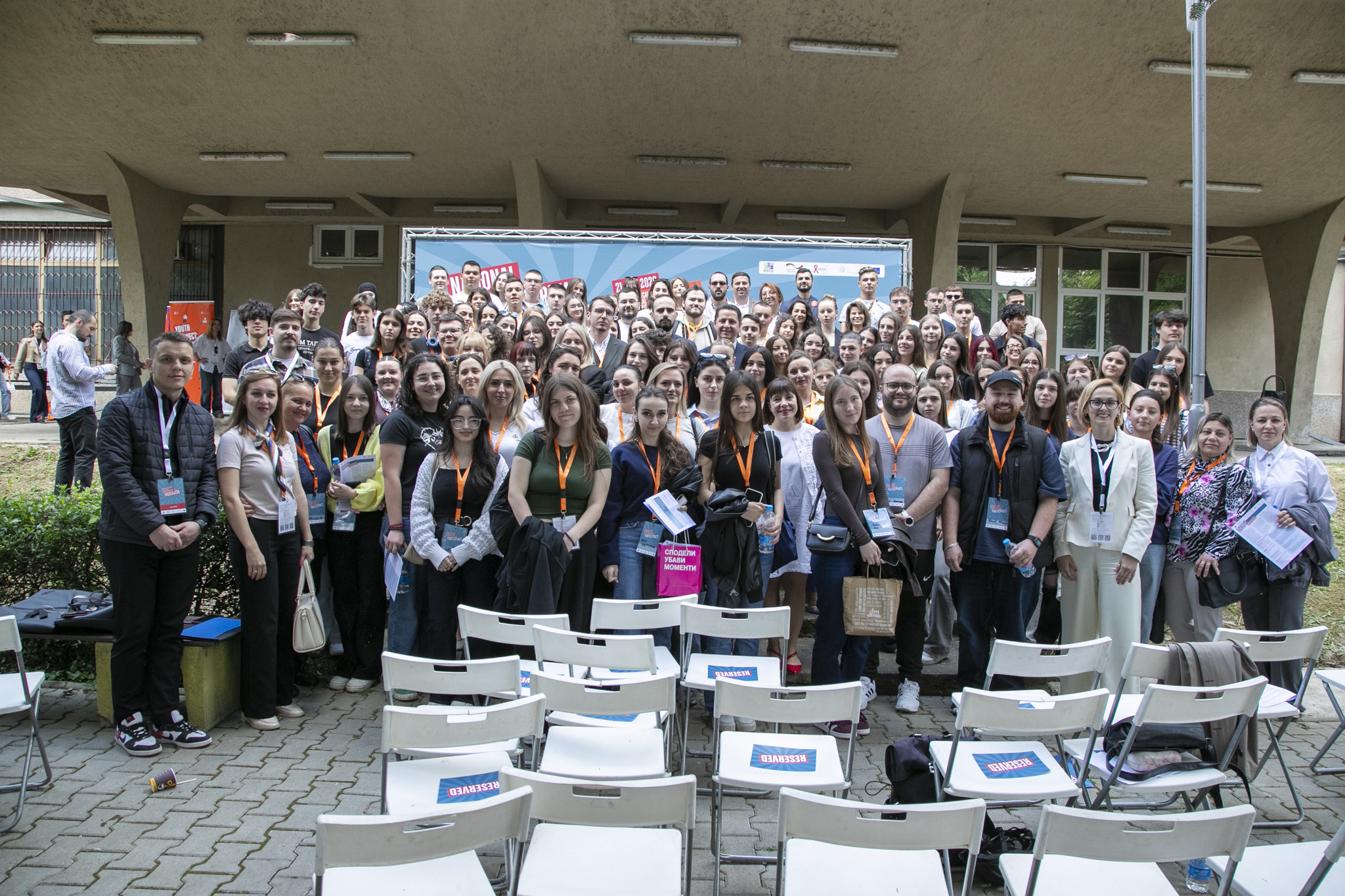
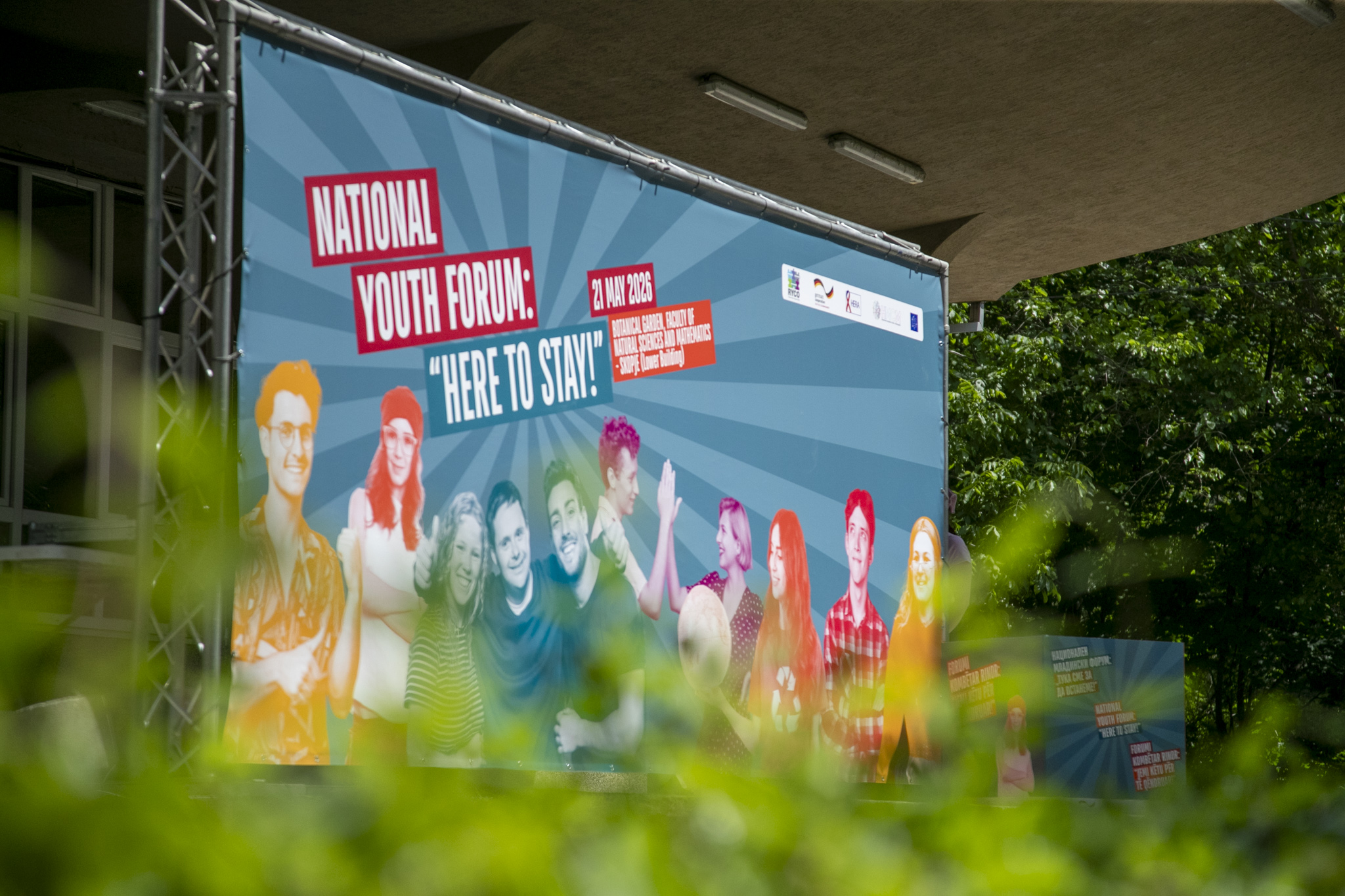
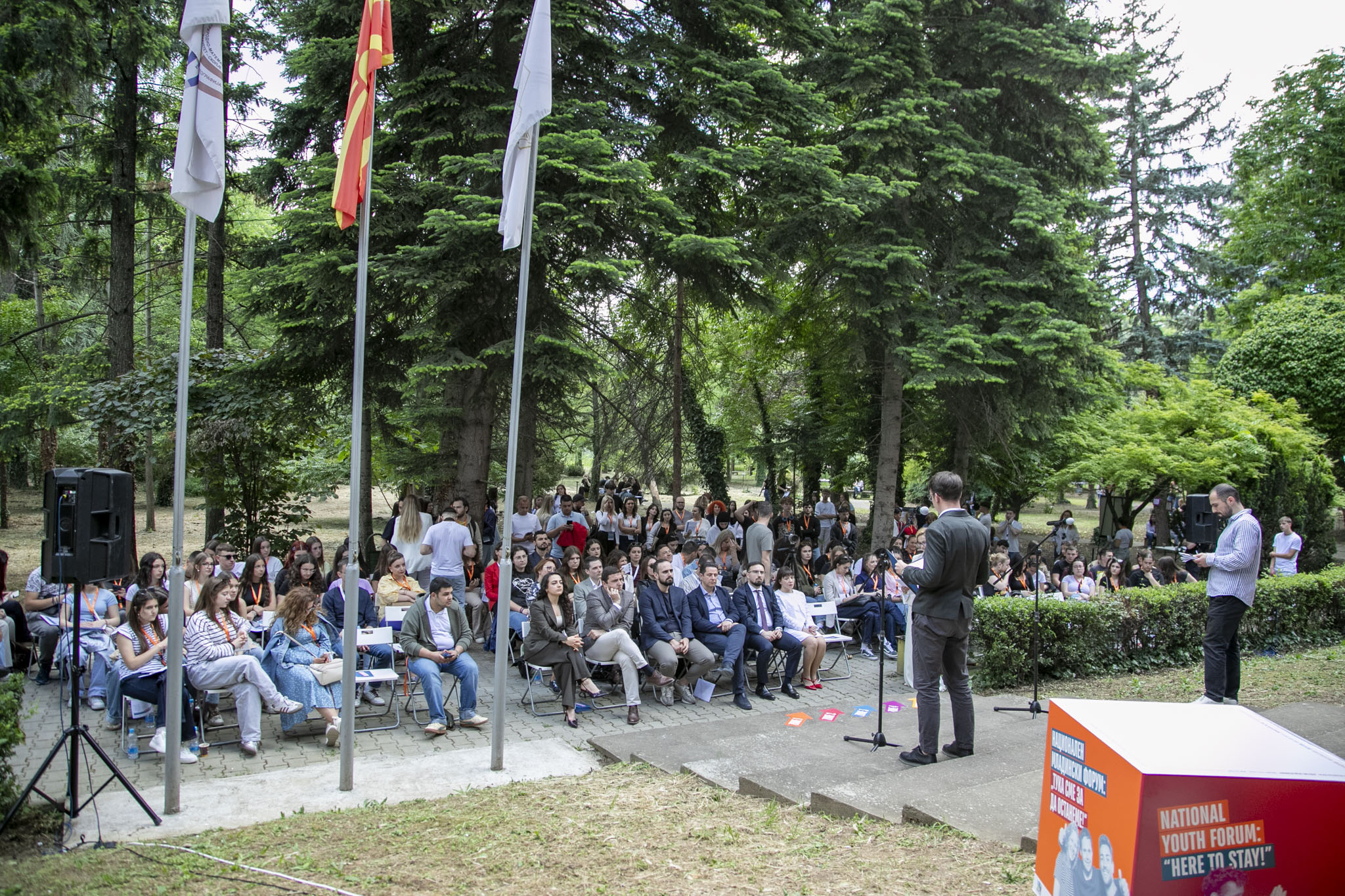
As part of the project, HERA organized the Youth Forum “We Are Here to Stay!” in Skopje, gathering young people from across North Macedonia, together with representatives of institutions, local authorities, international organizations, academia, and civil society.
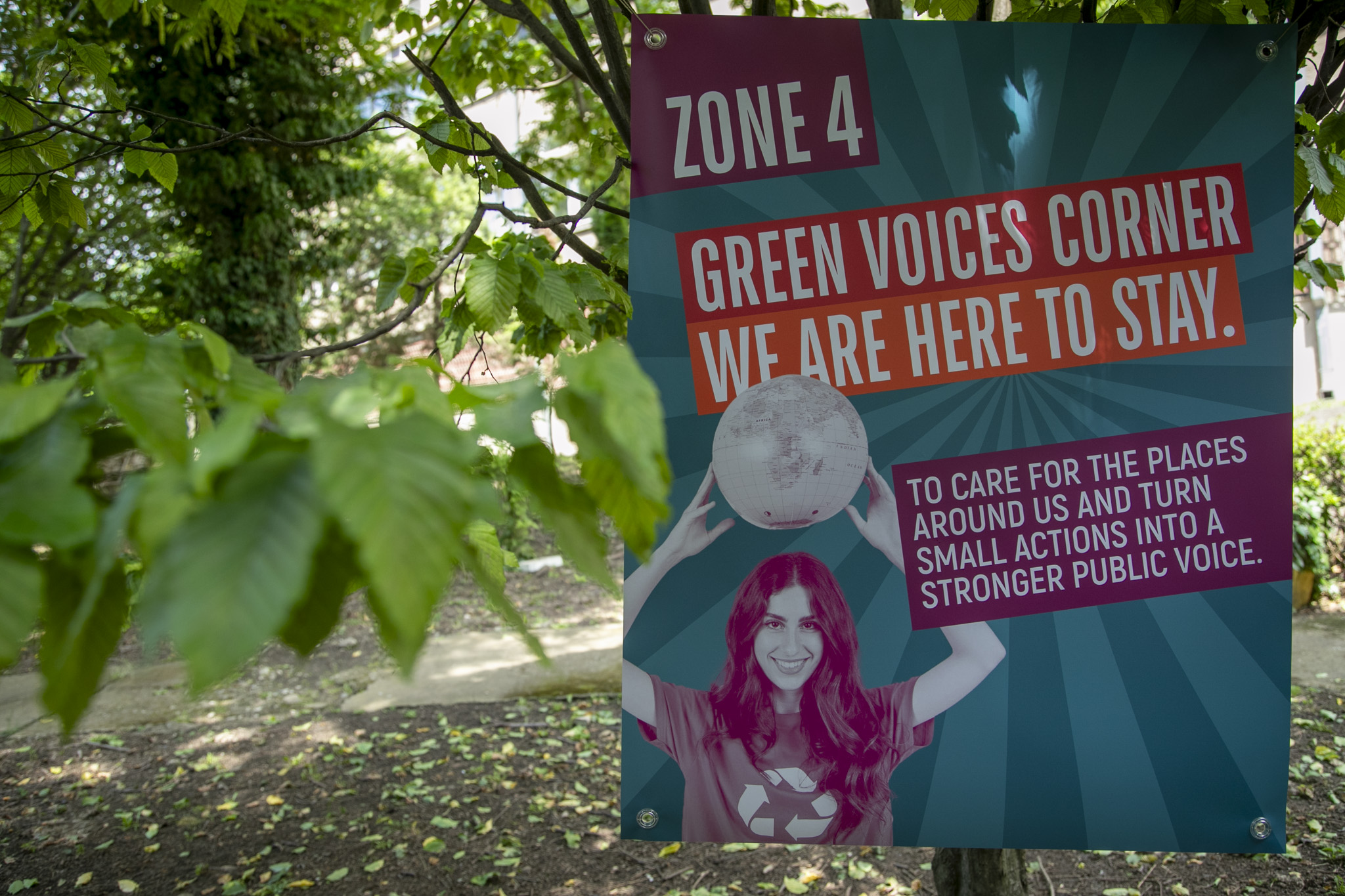
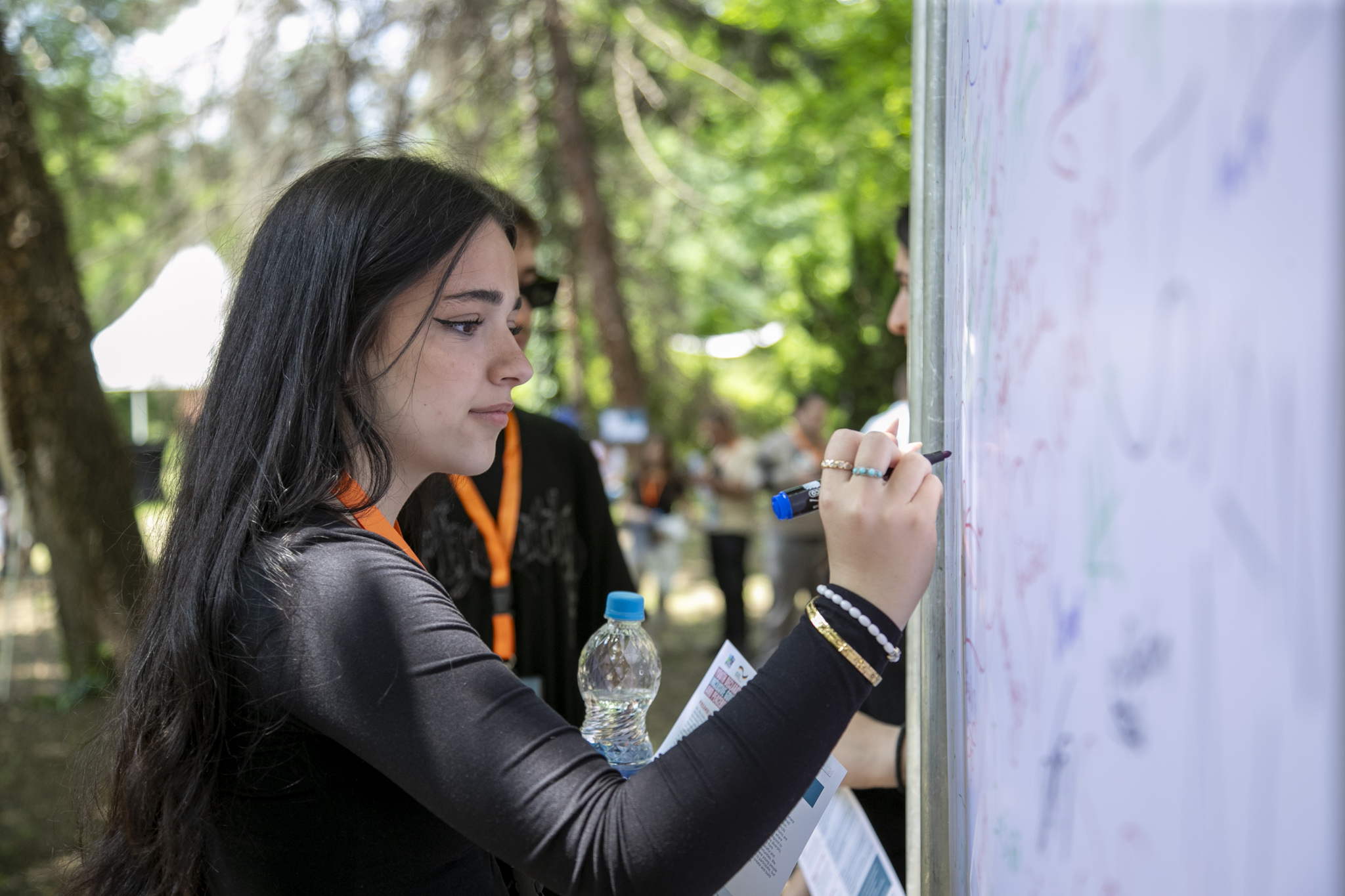
The forum focused on five key topics identified by young people as important for their future at home: youth participation and local decision-making, culture and intercultural dialogue, employment and entrepreneurship, environment and sustainability, and creative expression.
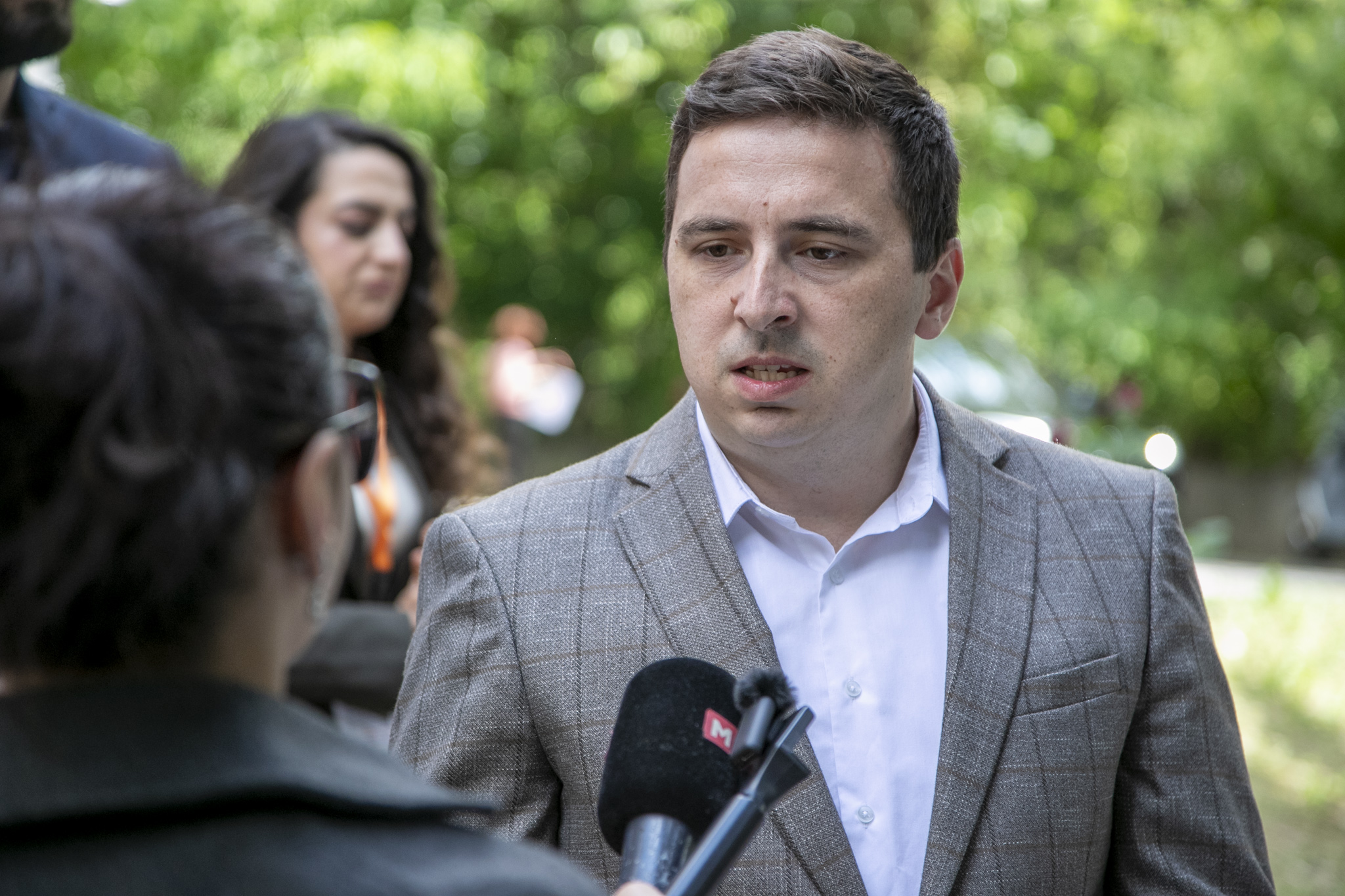
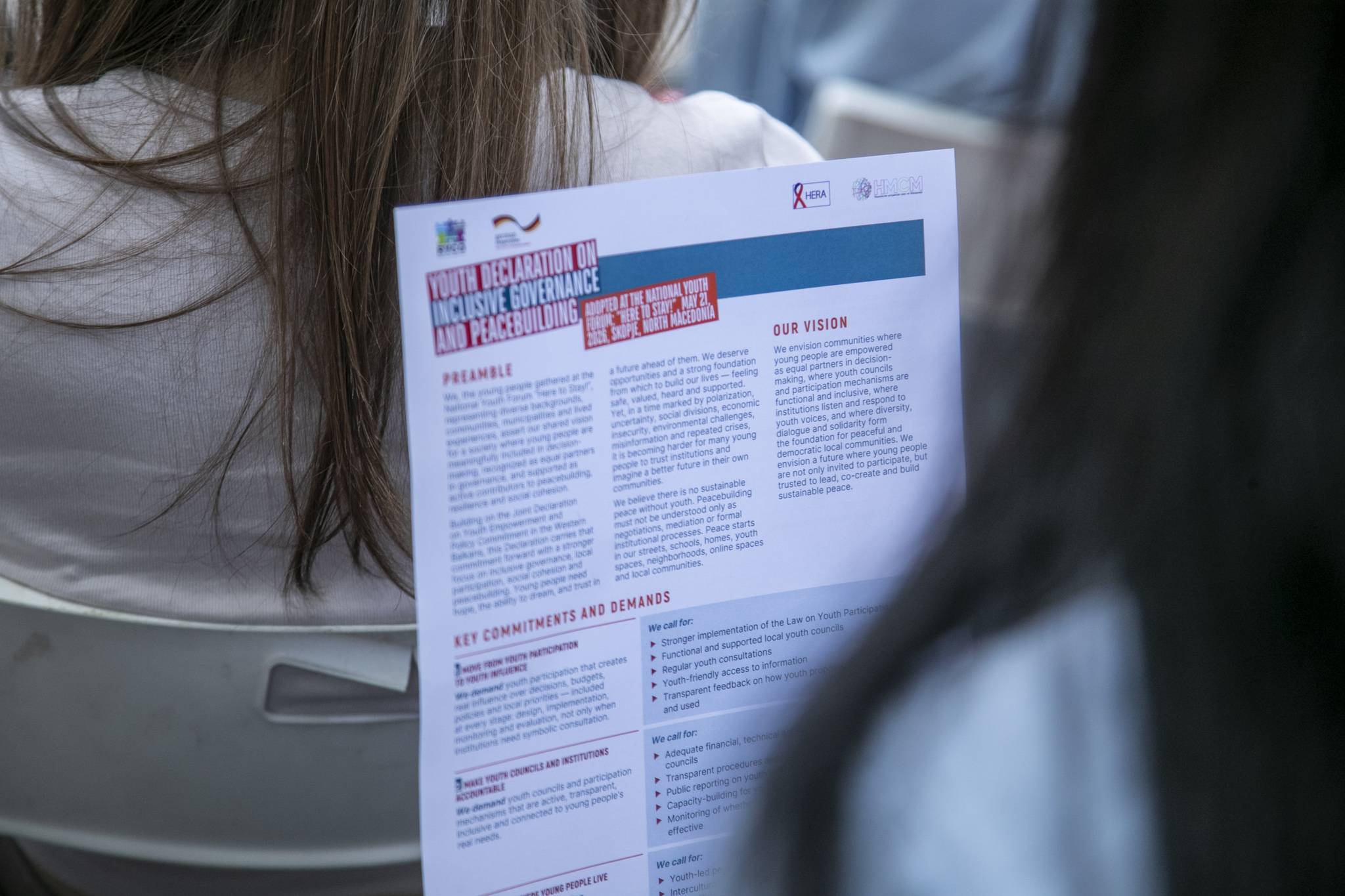
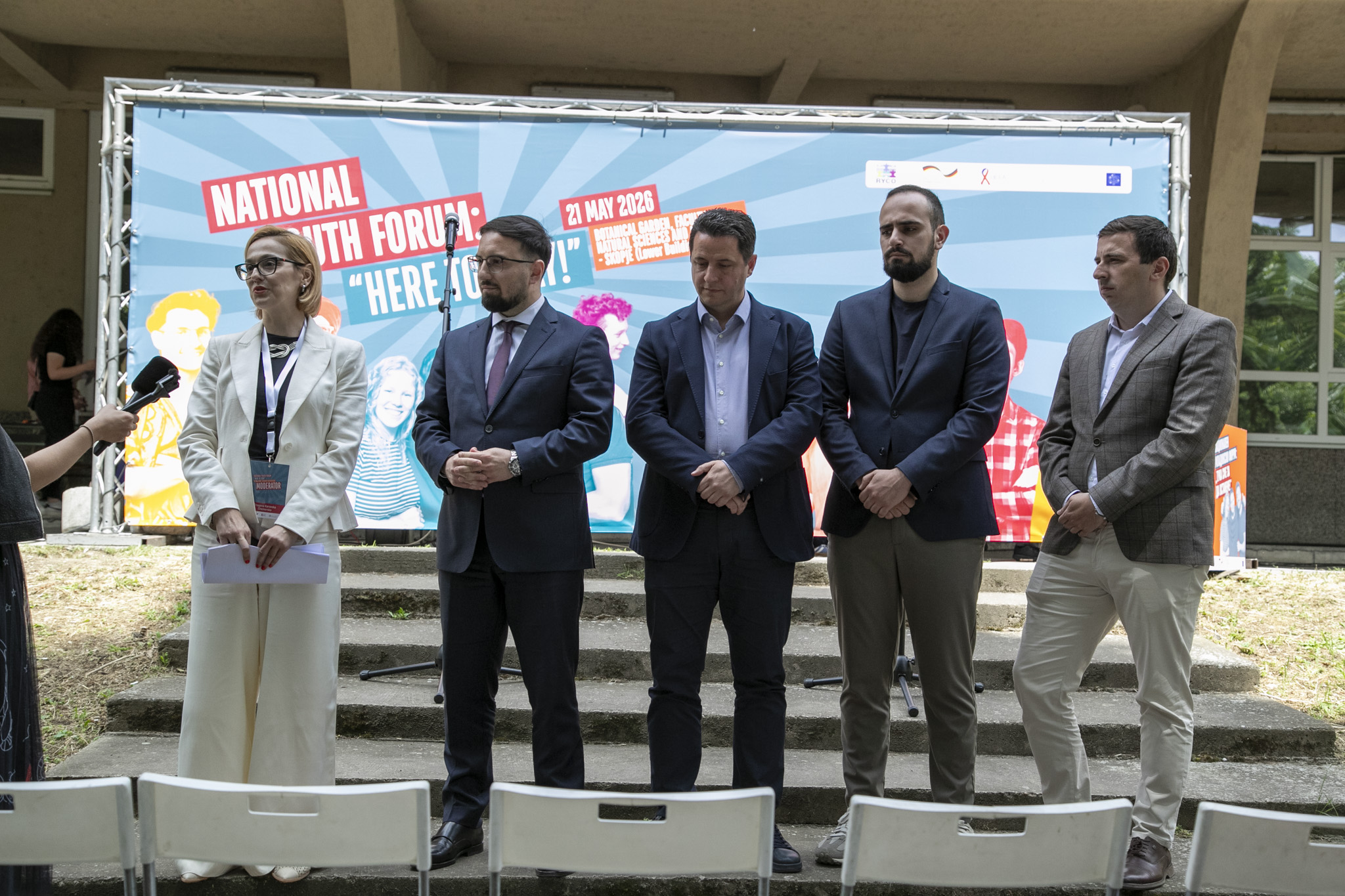
Speakers emphasized the need for stronger youth participation, functional youth mechanisms, and genuine institutional commitment. Dragana Karovska Chemerska from HERA underlined that young people should be treated as equal partners in decision-making, while Fatmir Sabriu, State Secretary at the Ministry of Social Policy, Demography and Youth, stressed that youth are part of the solution and that institutions must create conditions for them to build their future in their own local communities.
Albina Sefadini from the Youth Council of Macedonia pointed to the worrying decline in the implementation of the Law on Youth Participation and Youth Policies, calling for stronger institutional dedication. Valbon Limani, Mayor of Gostivar Municipality, highlighted that young people are not only the future but also the present, reaffirming the municipality’s support for youth policies, youth centers, and participation opportunities.
Boris Shambevski, advisor in the City of Skopje, stressed the role of local governments in opening spaces for youth participation, while Kevin Maass, Head of Media and Culture at the German Embassy in North Macedonia, emphasized the importance of supporting young people as they face uncertainty, misinformation, and growing social challenges.
RYCO staff also took part in the forum. Vladimir Gjorgjevski, Head of RYCO Local Branch Office in Skopje, highlighted RYCO’s commitment to mainstreaming the Youth, Peace and Security agenda in the Western Balkans and advocating for meaningful youth involvement in decision-making at local, regional, and international levels.
The forum confirmed that young people have clear ideas, strong motivation, and the willingness to contribute to society. Its final message was clear: young people are here, they have a voice, and they deserve real opportunities to shape the future of their societies.
This article is supported through the RYCOgnizing YPS granting scheme, supported by German Cooperation and implemented by RYCO.
Regional Youth Cooperation Office
RYCO is an intergovernmental organization that stewards and promotes regional and intercultural cooperation of young people within and among Western Balkans societies. RYCO’s programs focus on creating opportunities for young people to engage in activities that build mutual understanding and reconciliation in the civic, social, educational, cultural, and sports domains. RYCO initiates and participates in policymaking and advocates for reform. It supports the development of a political and social environment that empowers and facilitates youth exchange
RYCOgnizing YPS
RYCOgnizing YPS is a RYCO granting scheme dedicated to supporting Civil Society Organizations (CSOs) in the Western Balkans that work with youth to advance the Youth, Peace, and Security (YPS) agenda. This initiative empowers CSOs to scale up youth-led initiatives through actions focused on the five YPS pillars: Participation, Protection, Prevention, Partnerships, and Disengagement and Reintegration. The scheme places a strong emphasis on supporting youth-led and youth-responsive projects that bring tangible, localized impact at the municipal level, particularly by enhancing youth security and engagement in governance and policy-making processes.